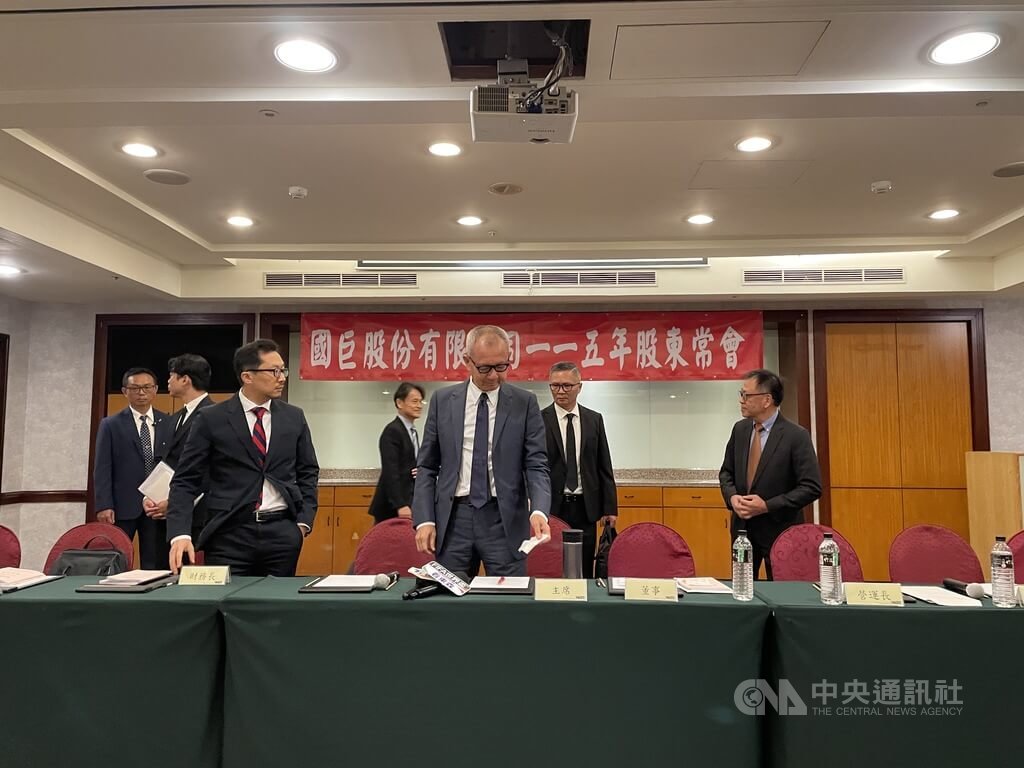
Pierre Chen, Chairman of passive component giant Yageo, stated that facing the arrival of the AI era, power demand is strong. He noted that the government has response plans and predicted that nuclear power would be an excellent solution.
Regarding the layout of sensor components, Chen pointed out that Yageo has expanded its sensor portfolio through the acquisition of Heraeus Nexensos GmbH, Telemecanique Sensors (under France's Schneider Electric), and Japan's Shibaura Electronics. This expansion helps the company enter liquid cooling sensor solutions for AI servers and other applications.
Looking to the future, Chen stated that the company will consider adding protection component technologies, including applications for automotive, industrial, and AI servers. Protection components will be key, and the Yageo Group will actively develop and deploy in related fields.
Yageo held its shareholders' meeting this morning. After the meeting, Chen was interviewed by the media regarding his views on Taiwan's energy policy. Chen said that times are changing; 20 years ago, energy policy focused on safety, but now many countries have restarted nuclear power because it is relatively clean. Facing the AI era, power demand is strong, and the government's energy layout is relatively diversified, including considering nuclear power, encouraging green energy, and restarting coal.
Chen pointed out that energy policy is at a turning point. He expects nuclear power to be a good solution because it is fast, clean, and relatively easy to expand, and the government should have response plans.
Regarding the gap with Japanese manufacturer Murata and South Korea's Samsung Electro-Mechanics, Chen said that for products with high-temperature, high-voltage, high-current, and high-reliability characteristics in AI applications, the Yageo Group has long focused on automotive and industrial fields for high-end products like tantalum capacitors and MLCCs. Coupled with Yageo's long-term layout of two major centers—innovation design in the US and advanced manufacturing in Taiwan—the gap with Japanese and Korean peers is not large, and he expects demand for products like MLCCs to remain strong.
When asked by the media whether Yageo would follow suit as major Japanese and Korean manufacturers adjust some product prices, Chen said that product prices depend on materials, labor costs, equipment investment, and changes in market supply and demand. He believes cost pressure will be greater, and with strong demand in the second half of the year, the price trend is "something to look forward to."
FACT BOX
- Source: CNA (Central News Agency)
- Category: Corporate Strategy
- Organizations: Yageo / Heraeus Nexensos / Telemecanique Sensors