(CNA, Changhua, June 18, by reporter Cheng Wei-chen) A 19-year-old female university student who experienced chest pain and coughed up blood months ago was found to have at least three suspected tumorous lesions in her lungs at a clinic. Believing she had lung cancer, she was referred to Changhua Hospital where it was confirmed to be a rare autoimmune disease, Granulomatosis with Polyangiitis. Her condition has now stabilized after treatment.
The Ministry of Health and Welfare's Changhua Hospital issued a press release today stating that the university student underwent a chest X-ray at a clinic, which revealed suspected tumorous lesions in her lungs, each about 6 to 7 centimeters in size. Her family rushed her to a regional hospital for an examination, and she was subsequently referred to Changhua Hospital. After detailed examination and a biopsy, it was confirmed that the lesions were not cancerous but were formed by granulomatous tissue, leading to a diagnosis of Granulomatosis with Polyangiitis.
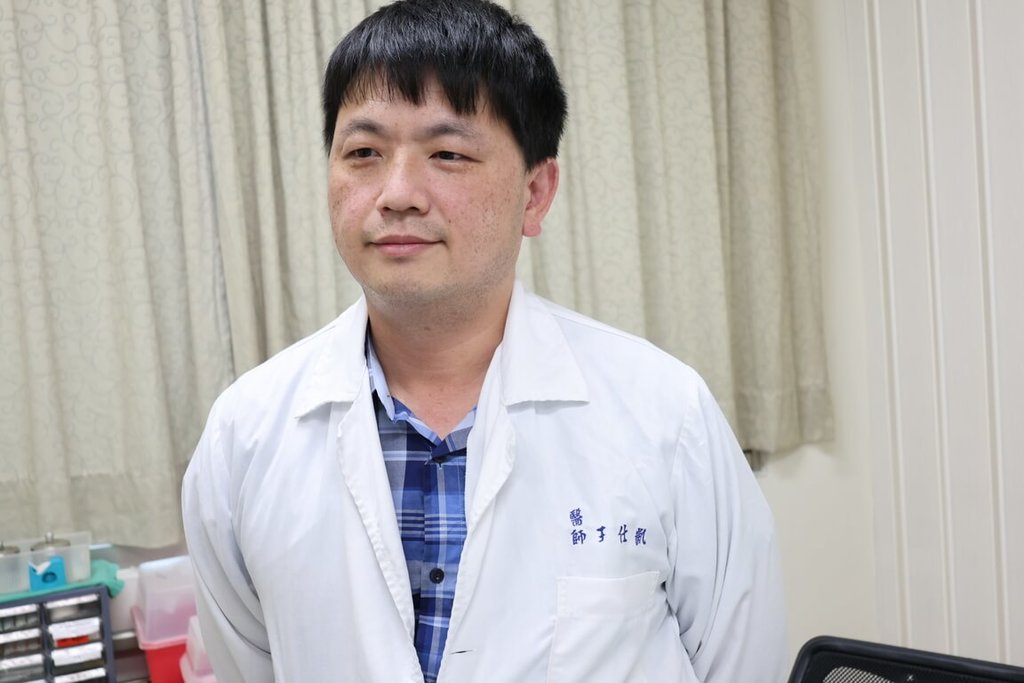
Dr. Wang Shi-kai, an immunologist at Changhua Hospital, said this is a rare autoimmune disease where the immune system mistakenly attacks blood vessel walls, causing inflammation, swelling, and structural damage. This obstructs blood flow, leading to organ ischemia and damage. It primarily affects the upper and lower respiratory tracts and kidneys, with the sinuses, nasal cavity, lungs, and glomeruli being the most commonly affected areas. It can also affect the eyes, heart, joints, nervous system, and ears.
Dr. Wang stated that Granulomatosis with Polyangiitis progresses rapidly. When it affects the lungs, symptoms may include chest tightness, shortness of breath, chest pain, coughing, and coughing up blood. A small number of patients may experience massive pulmonary hemorrhage, leading to respiratory failure. If it affects the kidneys, it can lead to renal failure, which is life-threatening.
The physician mentioned that this disease is more common in middle-aged and older adults, but this student is only 19, indicating that clinical diagnosis should not be based solely on age. Because the appearance of the lung lesions is very similar to lung cancer, it is easily misdiagnosed. An accurate diagnosis requires a pathological biopsy and immunological tests.
Dr. Wang said that the exact cause of Granulomatosis with Polyangiitis is not yet clear. It is known to be non-infectious, and whether it has a familial genetic tendency is yet to be confirmed. As long as it is diagnosed early and treated with medication to control the inflammatory response, most patients can effectively control their condition, reducing the risk of organ damage and death. (Editor: Li Hsi-chang) 20260618
FACT BOX
- Source: CNA (Central News Agency)
- Category: 社會