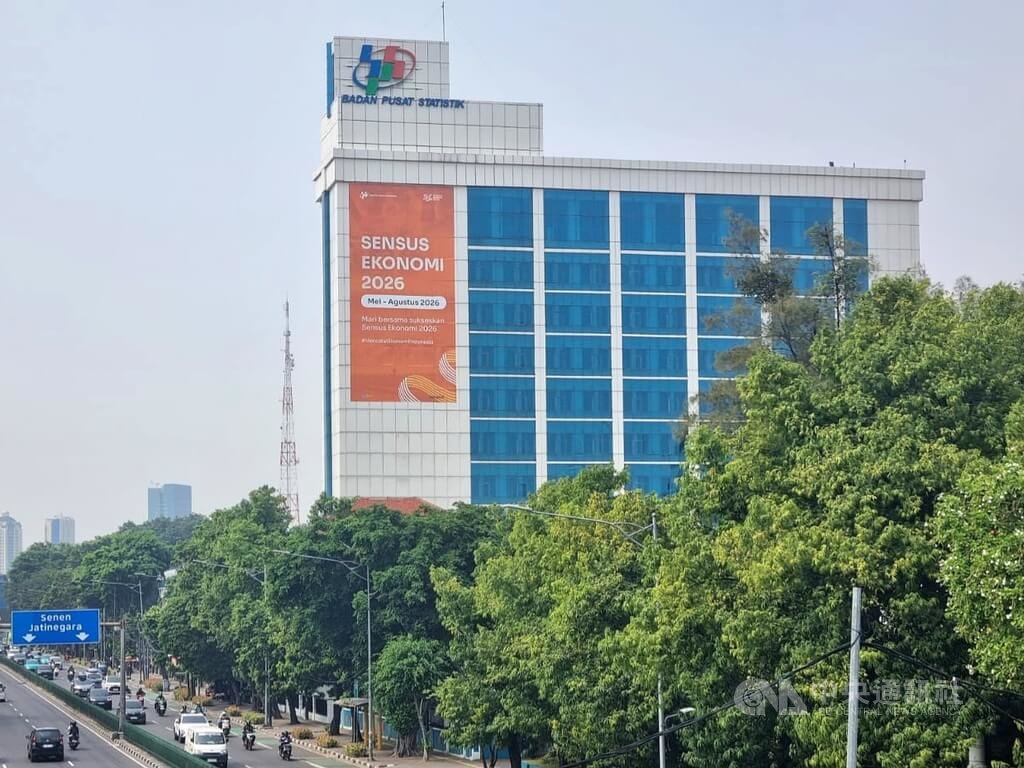
JAKARTA, July 8 (CNA) -- Indonesia recorded a trade deficit of US$1.61 billion in May, ending a streak of 72 consecutive months of trade surpluses that began in 2020, the Indonesian Central Statistics Agency (BPS) announced earlier this month. This marks the first monthly trade deficit in recent years. Economists attribute the deficit to falling exports, rising imports, and climbing international oil prices.
According to data released by BPS on July 1, Indonesia's exports in May amounted to US$23.2 billion, a decrease of 5.73% year-on-year, while imports reached US$24.81 billion, an increase of 22.16% year-on-year. The cumulative surplus for January-May stood at US$4.03 billion, a significant reduction from US$15.38 billion in the same period last year.
Josua Pardede, an economist at Permata Bank, told CNBC Indonesia recently that the May trade deficit indicates Indonesia's shrinking room to maneuver against external economic shocks. He noted that while importing raw materials and capital goods can be beneficial for the economy if they boost production and exports, imports concentrated on oil, natural gas, and consumer goods could exacerbate trade pressure.
David Sumual, an economist at Bank Central Asia (BCA), stated that the depreciation of the Indonesian rupiah and persistently high international oil prices are also significant factors driving up the cost of oil and gas imports. He believes that maintaining exchange rate stability is crucial to cope with slowing exports.
Meanwhile, Myrdal Gunarto, an economist at Bank Tabungan Negara (BTN), anticipates that the trade deficit in June may narrow compared to May. He expects the trade balance to return to a surplus in July if international oil prices fall below US$75 per barrel.
Commodities play a vital role in Indonesia's export structure, with coal, palm oil, and metal products being major export items. In recent years, global commodity price fluctuations and changes in demand from major trading partners have also affected Indonesia's export performance. Data from BPS shows that non-oil and gas exports remain a significant source of Indonesia's trade surplus.
Indonesian Coordinating Minister for Economic Affairs Airlangga Hartarto stated that Indonesia's non-oil and gas trade continues to maintain a surplus, primarily supported by exports of palm oil (CPO), coal, and ferroalloys. He added that if the situation in the Middle East eases and international oil prices decline, the trade balance is expected to improve in the coming months. (Editor: Tien Rui-hua) July 8, 2024
FACT BOX
- Source: CNA (Central News Agency)
- Category: 經濟