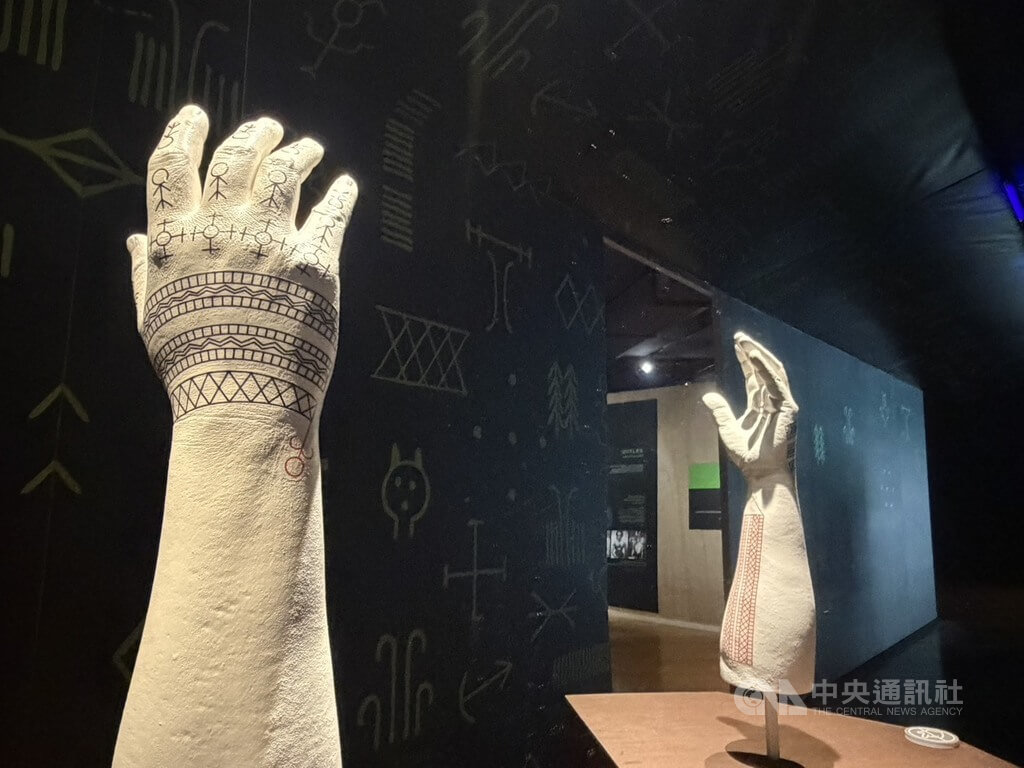
Indigenous tattooing in Taiwan, once banned over a century ago, is making a powerful comeback. The National Museum of Prehistory has launched a special exhibition titled 'Carving the Path Home' to illuminate how this cultural practice has overcome a century of disruption and is being reclaimed by indigenous communities.
The exhibition, 'Carving the Path Home: The Revival of Tattoo Culture Among Taiwan's Indigenous Peoples,' is now open at the Kanlo Museum site in Taitung. It brings together traditional leaders, researchers, hand-tap tattoo artists, and individuals who have chosen to have ancestral patterns inscribed on their bodies once again. Their stories reveal how a once-suppressed tradition is being revitalized and worn with pride. The exhibition will run until April 6, 2027.
Museum Director Tsai Cheng-liang stated, 'A culture that was suppressed, stripped away, and even thought by scholars to have vanished over a hundred years ago is today being brought back to life—felt in our hearts and etched onto our skin—through this exhibition.'
In addition to showcasing the distinct tattoo patterns of various indigenous groups, the exhibition documents the transmission of traditional hand-tap tattooing techniques. Many participants share how receiving tattoos has helped them find their way back to their roots. One such individual is Chi-Yu, a young man from Taimali.
Chi-Yu (Paiwan tribe) explained that when he asked his brother to tattoo him with the pattern of the hundred-pace snake, it was primarily an act of reclaiming identity after returning to his community. Tattoo artist Song Hai-Hua emphasized, 'Only by first understanding our own culture can we truly appreciate others. We must preserve hand-tap tattooing and carry it forward across the Austronesian world.'
FACT BOX
- Source: CNA (Central News Agency)
- Category: Event