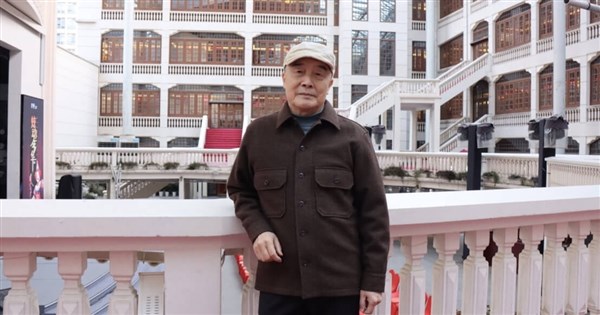
This year marks the 60th anniversary of the outbreak and the 50th anniversary of the end of China's Cultural Revolution. Through the experiences of writer Wang Luxiong and others, this article reflects on the impact of the Cultural Revolution on the destinies of Chinese youth, including the Red Guard movement, the sent-down youth program, and personal family tragedies. It explores individual choices and helplessness within the historical context and reflects on the fundamental issues of the social system.
This year marks the 60th anniversary of the outbreak and the 50th anniversary of the end of China's Cultural Revolution. The article uses personal interviews, including with 72-year-old writer Wang Luxiong, to explore the profound impact of this tumultuous period on a generation of Chinese youth. Wang Luxiong recounts his experiences as a young student during the Red Guard era, participating in the 'great联串' (grand alliance) which allowed students free travel and lodging across the country, disrupting normal life and production. Mao Zedong's support for the Red Guards aimed to mobilize youth to challenge the bureaucracy. The Cultural Revolution, officially launched on May 16, 1966, and ending in October 1976, was characterized by radicalism, factionalism, and violence, including the 'smashing the four olds' campaign and inter-factional armed struggles, as depicted in literary works like Zheng Yi's "Maple." Another major movement was the 'sent-down youth' program, starting in 1968, which relocated approximately 17 million urban youth to rural areas to address unemployment and 're-educate' them. Wang Luxiong's experience differed as he lived with a rural family, gaining a deeper understanding of China's countryside. However, many youth faced hardship and uncertainty, with privileges often shielding the children of the elite from the program, as seen with Zhang Chunqiao's daughters. The article also touches upon the personal tragedies, such as Wang Luxiong's father being labeled a 'Soviet revisionist spy' and 'capitalist roader,' leading to his death, officially recorded as suicide. The author emphasizes that while individual suffering was immense, the collective experience of hardship was widespread, making survival possible through shared circumstances. Wang Luxiong advocates for self-reflection and systemic change rather than focusing solely on accountability and apologies, aiming to address the root causes of such historical upheavals.
FACT BOX
- Source: CNA (Central News Agency)
- Category: Historical Analysis
FAQ
What were the main phases of the Cultural Revolution?
The Cultural Revolution, from May 1966 to October 1976, had several phases. The early period (until 1969) focused on seizing power from 'capitalist roaders' within the party, characterized by widespread suspicion and internal conflict. Later phases involved different political campaigns and shifts in power dynamics.
What was the role of the Red Guards?
The Red Guards were radical student groups formed in the early Cultural Revolution, primarily composed of university and middle school students. They were instrumental in campaigns like 'smashing the four olds' and participated in 'great联串' (grand alliance) activities, often with Mao Zedong's support, to challenge the existing power structures.
What was the 'sent-down youth' program?
The 'sent-down youth' (知识青年上山下乡) program, initiated in 1968, involved relocating millions of urban youth to rural areas. Officially intended for national construction and re-education, it also served to address urban unemployment and quell social unrest caused by the Cultural Revolution's disruptions.
How did the Cultural Revolution affect education?
During the Cultural Revolution, universities suspended admissions. From 1970 onwards, 'worker-peasant-soldier students' were admitted through recommendations, often based on political connections and family background, leading to a perception of 'watered-down' academic qualifications.
What is the author's perspective on accountability for the Cultural Revolution?
Writer Wang Luxiong believes that while self-reflection is important for everyone, focusing on assigning blame or demanding apologies is less crucial. He emphasizes the need to examine the fundamental roots of the social system, governance, indoctrination, and pathways to oppression, advocating for changes that prevent such historical tragedies from recurring.