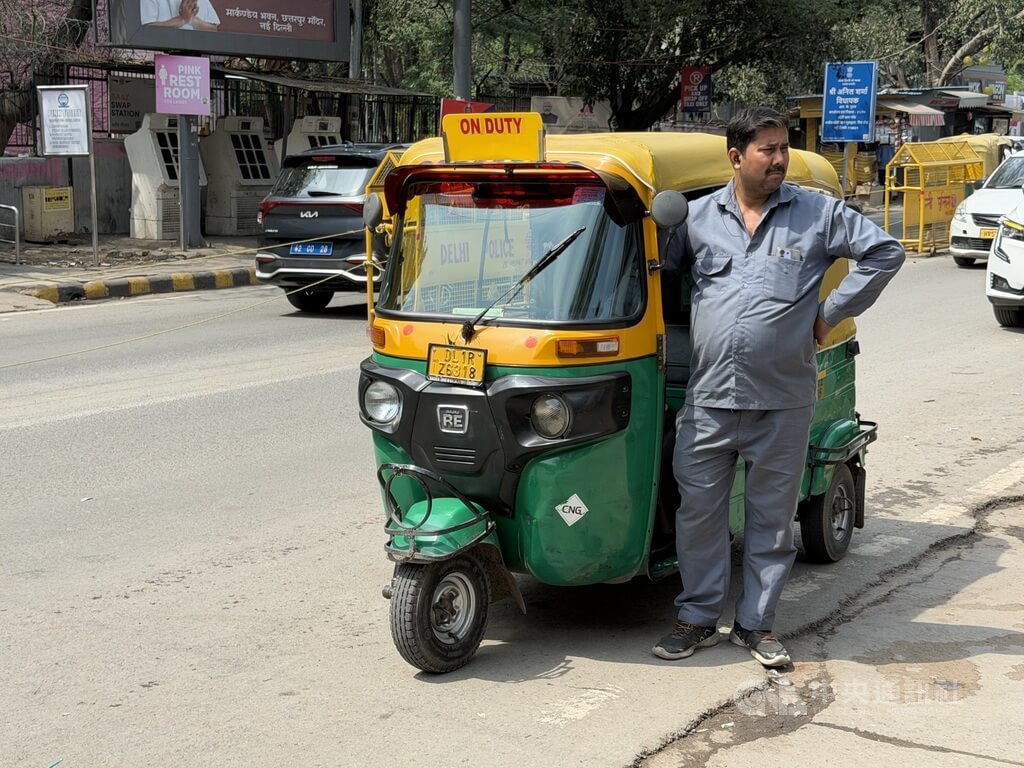
Conflict in the Middle East has led to two increases in petrol and diesel prices in India within a single week. Compounded by the fact that fares in the Delhi National Capital Region (NCR) have not been adjusted for nearly 15 years, this has fueled discontent among drivers, who have decided to stage a three-day strike in protest.
Sixty-eight transport unions under the All India Motor Transport Congress and the United Front of All Transport Associations will be conducting a protest from today until the 23rd.
The unions state that while the prices of petrol, diesel, and compressed natural gas are constantly rising, fares for commercial passenger vehicles in the Delhi NCR have not been increased for nearly 15 years. Drivers believe that with the continuous increase in fuel costs, burdens such as vehicle maintenance, insurance, and car loans have pushed them into severe financial difficulty.
The conflict involving the United States, Israel, and Iran has led to the blockade of the Hormuz Strait, a crucial channel for 20% of the world's oil and natural gas transport. This has caused oil prices to soar, further impacting the economies and livelihoods of various nations.
Fuel prices in India have risen twice in the past week. In Delhi, for example, the price of petrol has increased to ₹98.64 (approximately NT$32.41) per liter, diesel to ₹91.58 (approximately NT$30.09) per liter, and compressed natural gas (CNG) to ₹80.09 (approximately NT$26.31) per kilogram.
Ahad Siddiqui, an auto-rickshaw driver parked at the entrance of a village in Delhi, had been there since 8 a.m. Facing people rushing to work who couldn't get an Uber, he refused all requests, adamant about not taking passengers in support of the protest.
In an interview with a CNA reporter, Siddiqui said, "We are out carrying passengers for at least 10 hours a day, sometimes even over 12 hours. But everything, including fuel prices, is going up. The only thing that hasn't is the fare. The money we earn is often not enough to cover living expenses."
Another Uber driver, Shammi Kapoor, who had parked his car outside a shopping mall and was also refusing to take passengers, told a CNA reporter that ride-hailing platforms like Uber, Ola, and Rapido always keep fares low to attract customers and frequently offer promotions. "As long as a driver accepts a ride, the platform makes money. They don't care if we live or die."
Kapoor told the CNA reporter that the platforms are just trying every possible way to increase the number of rides, using a low-profit, high-volume strategy to capture market share. "But we drivers are the ones who suffer. The income per ride is low, and after deducting the platform's commission, there's not much left. Now with fuel prices constantly rising, even if we desperately extend our driving hours, the money we actually take home is less than before."
Fuel prices in India first rose on the 15th and were increased again on the 20th. The per-liter prices of petrol and diesel each rose by about 4 rupees within a week. The price of compressed natural gas rose twice in 48 hours, increasing by 3 rupees per kilogram.
FACT BOX
- Source: CNA (Central News Agency)
- Category: 事件
- Organizations: All India Motor Transport Congress / United Front of All Transport Associations / Uber