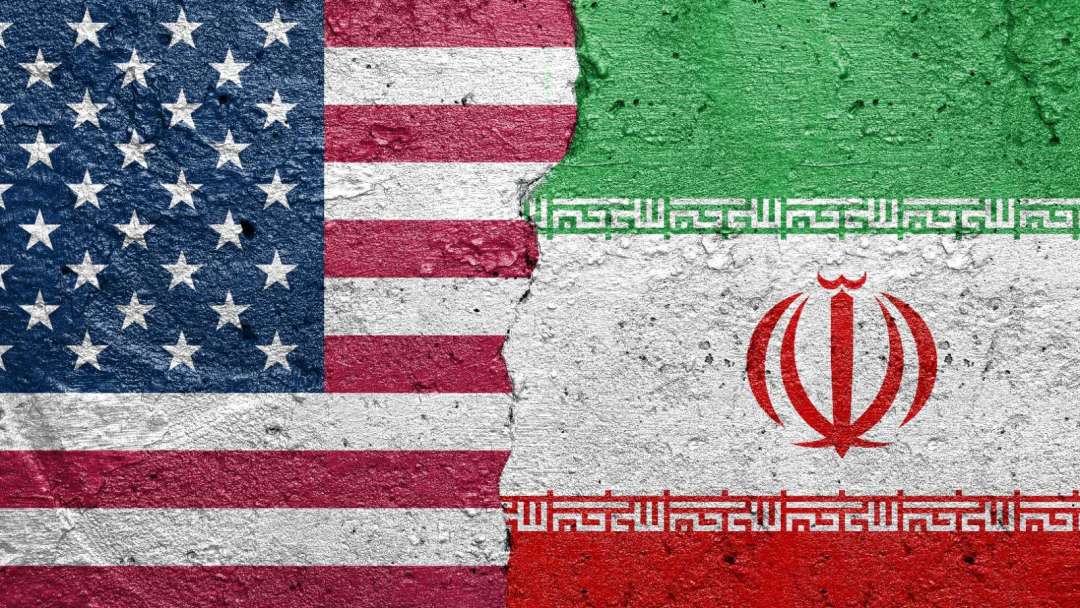
The U.S. Central Command announced on Wednesday (8th) that, acting on orders from the highest commander, it has conducted strikes on targets inside Iran for the second consecutive day, aiming to further weaken Iran’s ability to threaten freedom of navigation in the Strait of Hormuz.
In a statement, U.S. forces said: 'The U.S. is holding Iran accountable for its recent unprovoked attacks on commercial vessels and civilian crews in this critical international waterway.'
This military action came just hours after U.S. President Trump, attending the NATO summit in Turkey, warned of possible renewed strikes against Iran.
In fact, U.S. forces had already launched attacks on Tuesday (7th), canceling the exemption that allowed Tehran to sell oil, and blaming Iran for the attacks on ships in the Strait of Hormuz.
Trump told reporters aboard his return flight: 'When they attack, we respond with greater force.'
When asked whether full-scale military action would resume, he replied: 'I don’t know, but we will win very quickly.'
He also threatened to potentially reinstate a blockade on Iranian ports or even bomb desalination facilities and power plants—critical infrastructure—while adding, 'I don’t think we’ll go to war again,' and did not rule out continued contact between negotiation teams.
Iran, too, has taken a hardline stance. A senior adviser to Iran’s Supreme Leader warned on X (formerly Twitter) that Tehran would respond 'immediately' to the U.S.
The Islamic Revolutionary Guard Corps (IRGC) stated that, following Tuesday’s U.S. strikes, it had attacked U.S. military bases in Kuwait and Bahrain.
Both the U.S. and Iran accuse each other of violating a recently agreed-upon short-term ceasefire memorandum, which was intended to initiate a 60-day negotiation process toward a broader peace agreement.
Currently, Iran is observing a week-long state mourning period for the late Supreme Leader Khamenei, and U.S.-Iran talks have been officially suspended.
Analysts note that two consecutive days of mutual attacks have placed immense strain on an already fragile ceasefire agreement, adding significant uncertainty to future diplomatic efforts. Geopolitical risk premiums are expected to further push up international oil prices and demand for safe-haven assets in the short term.
FACT BOX
- Source: PR Times
- Category: News