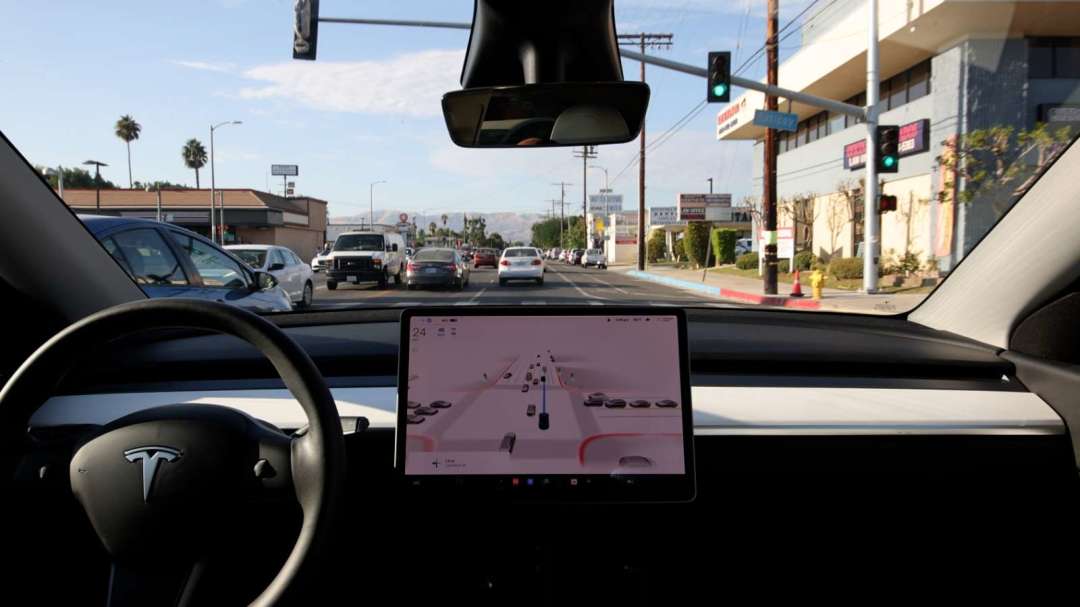
The U.S. state of New Jersey is advancing a bill, designated S1677, that would require commercial fully autonomous vehicles (robotaxis) to be equipped with cameras and at least two other types of sensors. Given current technological contexts, this effectively means vehicles must include radar and Light Detection and Ranging (LiDAR).
The bill was introduced by state Senator Andrew Zwicker, a physicist by training, who emphasized that the legislation is driven by public safety concerns, not targeted at any specific company. However, the regulation poses a direct threat to Tesla (TSLA-US), which has long adhered to a 'vision-only' approach, removing radar and LiDAR from its vehicles.
The core controversy of the bill centers on 'how vehicles perceive road conditions.' Most autonomous driving developers, such as Waymo and Zoox, use an integrated approach combining cameras, radar, and LiDAR to create overlapping perception layers, ensuring redundancy if one sensor fails.
Experts point out that while cameras excel at recognizing signs, they are vulnerable to interference from bright sunlight or heavy rain. Radar can penetrate dense fog, while LiDAR can generate precise 3D maps unaffected by wall paint or lighting conditions.
In contrast, Tesla CEO Elon Musk argues that adding sensors introduces conflicting data and increases costs. However, data shows that vision-only systems have mistakenly identified fake walls painted with road patterns as drivable areas, resulting in collisions—incidents that vehicles equipped with LiDAR easily avoid.
The bill not only mandates sensor requirements but also establishes a three-year pilot program. Operators must complete at least 50,000 miles (approximately 80,000 kilometers) of supervised testing within the state and obtain official authorization before removing safety drivers. Additionally, the bill's details favor retaining traditional control devices such as steering wheels and pedals—posing another major compliance challenge for Tesla's mass-produced Cybercab, which completely eliminates these components.
In response to legislative pressure, Tesla mobilized vehicle owners to lobby, resulting in approximately 4,000 protest emails flooding Senator Zwicker's office in a single day. Zwicker subsequently clarified that the bill applies only to 'commercial fully autonomous fleets' and will not affect existing owners' use of Autopilot or FSD (supervised) features, as these still require licensed drivers to monitor continuously.
If New Jersey and neighboring New York, which is also considering similar legislation, pass these bills, the U.S. Northeast Corridor could effectively close its doors to vision-only robotaxis. This highlights how, in the absence of national unified regulations, individual states are reclaiming safety authority over autonomous driving technology by setting their own hardware standards.
FACT BOX
- Source: PR Times
- Category: News
- Organizations: Waymo / Zoox
- Products / services: Robotaxi / FSD (Full Self-Driving)