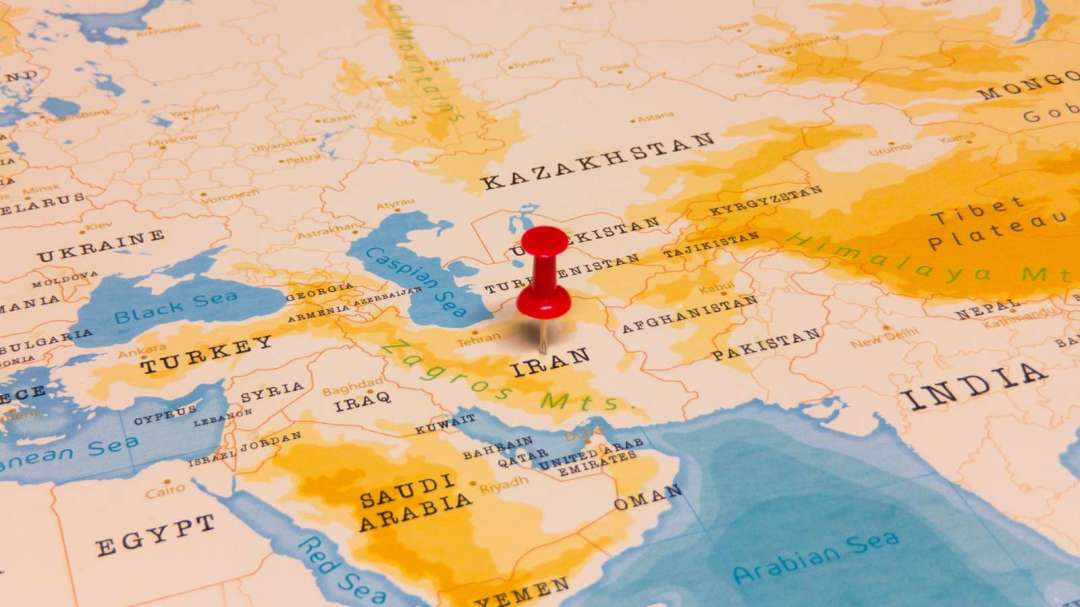
According to Iranian media on the 18th (Saturday), Iran's Deputy Foreign Minister Garibabadi stated that Iran has stopped fulfilling the memorandum of understanding with the United States after the U.S. violated its commitments.
On the 18th, Iran's ambassador to Pakistan, Moghaddam, posted on social media, accusing the U.S. of misinterpreting the content of the Iran-U.S. memorandum and attempting to control parts of the Strait of Hormuz to gain benefits it failed to achieve on the battlefield. Iran emphasized that it would not accept the U.S.'s arbitrary interpretation of the memorandum.
On the 17th, U.S. forces launched airstrikes on Iran for the seventh consecutive night. The latest attacks targeted southern bridges, railways, and port facilities, aiming to weaken Iran's military logistics and maritime operations and cut off transportation between the major port of Bandar Abbas and inland regions.
According to Iranian official sources, the U.S. airstrikes damaged at least six bridges in the south, including one still under construction. A railway transfer station west of Bandar Abbas Port was also attacked.
These road and rail bridges are vital transportation links connecting Bandar Abbas Port with inland areas such as the capital Tehran. Although alternative routes remain available, if the U.S. further expands its attacks, it could simultaneously affect the transportation of both military supplies and civilian goods.
According to Iran's Islamic Republic News Agency (IRNA), the attacks caused at least 8 deaths and 20 injuries. Iranian officials accused U.S. airstrikes of hitting civilian infrastructure, but the casualty figures have not yet been independently verified.
FACT BOX
- Source: PR Times
- Category: News