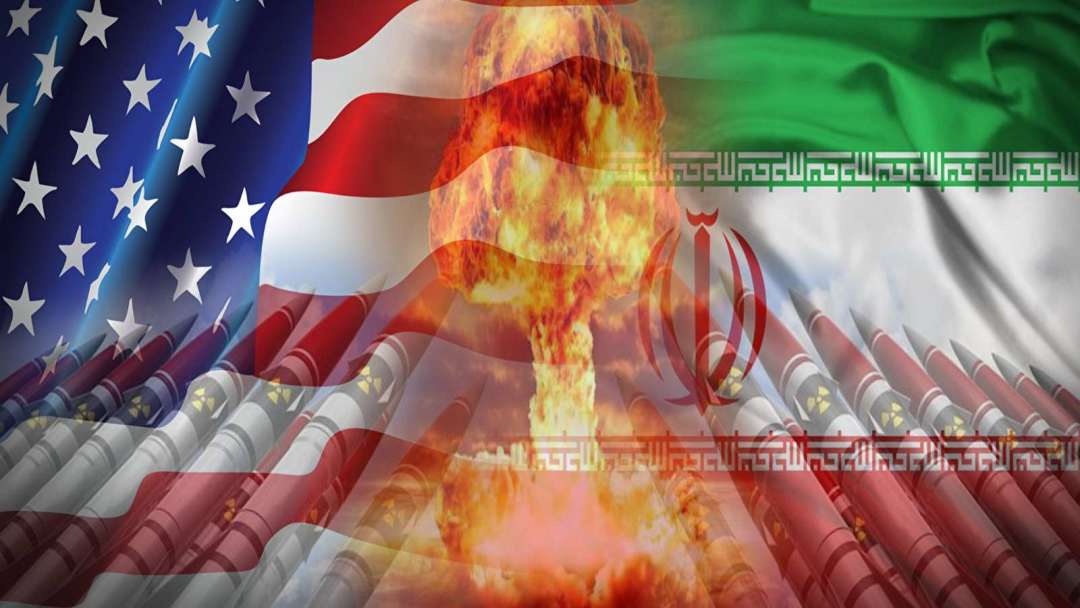
After the U.S. military conducted airstrikes on Iranian military targets for seven consecutive nights—including attacks on logistical infrastructure—Iran launched a new wave of attacks on Saturday (18th) against U.S. allies in the Gulf region. The conflict has further escalated following the collapse of a fragile ceasefire agreement one week earlier.
According to Reuters, Kuwait became the primary target of Iran's retaliatory strikes, with a desalination plant hit by missiles. Kuwait International Airport was also temporarily suspended due to repeated threats from missiles and drones.
The Iranian Revolutionary Guard Corps (IRGC) claimed it had struck the U.S. military logistics support center 'Camp Arifjan' in Kuwait and destroyed radar facilities at the Ali Al Salem Air Base.
Iranian state media also reported that the Revolutionary Guards attacked a location in Bahrain’s Sheikh Isa Air Base where U.S. fighter jets were stationed, as well as an intelligence data center.
The IRGC stated that since 'no international body can stop the barbaric actions of the U.S. military,' Iran must retaliate in accordance with the teachings of the Quran, and warned U.S. allies in the Middle East of further attacks.
On Friday, both the U.S. and Iran extended their attacks to maritime shipping. The U.S. announced it was enforcing a naval blockade; Iran claimed its targets were vessels violating its navigation rules in the Strait of Hormuz.
As tensions intensified, international oil prices surged over 4% on Friday, reaching a one-month high, further increasing political pressure on the Trump administration. Republicans are making a full effort to retain power in the November congressional elections.
The U.S.-Iran conflict has continued to escalate since the ceasefire broke down, with both sides testing the limits of military escalation, raising fears that the conflict could slide back into full-scale war.
Meanwhile, civilian infrastructure is increasingly becoming a target, prompting international warnings about potential war crimes.
Iranian media, citing local officials, reported that power and desalination facilities in the southern Iranian city of Jask were struck by missiles, leaving approximately 10,000 people across 20 villages without water.
The Kuwaiti government also confirmed that a power and desalination facility was damaged by Iranian attacks, marking the second such incident within two days.
U.S. Central Command stated that U.S. forces have conducted strikes against Iran for seven consecutive days, targeting surveillance systems, military logistics facilities, underground weapons depots, and maritime military capabilities.
UN Secretary-General António Guterres expressed concern over the expanding conflict, particularly worried about attacks on civilian infrastructure in Iran and surrounding regions.
With the Trump administration threatening to expand attacks on Iranian infrastructure, markets are also concerned that Iran may retaliate by further targeting energy facilities in Gulf states or disrupting Red Sea shipping through its allies in Yemen, potentially impacting global energy supplies.
FACT BOX
- Source: PR Times
- Category: News