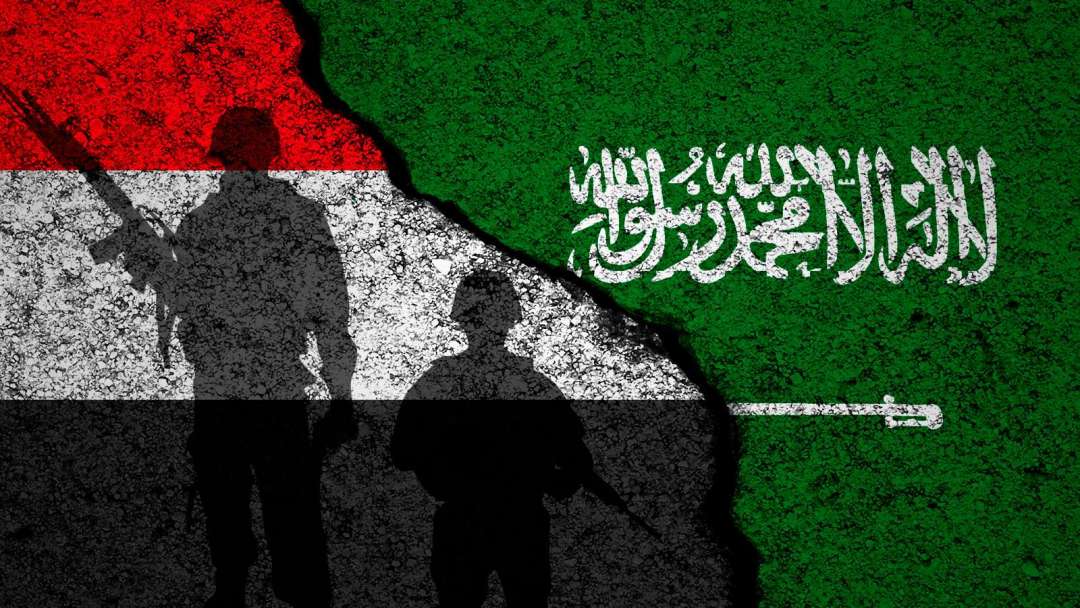
Since the outbreak of the U.S.-Iran conflict, Pakistan has continuously played a mediating role. However, it now faces immense pressure to 'choose sides.'
On Thursday (16th), Reuters cited Pakistani officials reporting that the country's government and military leadership have formally conveyed to Iran's highest levels that 'an attack on Saudi Arabia is an attack on Pakistan,' clearly stating this as an inviolable 'red line.'
This stance is based on the 'Joint Strategic Defense Agreement' signed between Pakistan and Saudi Arabia in September last year, which stipulates that an attack by a third party on either nation constitutes a joint aggression against both.
On Monday (13th), the Houthi movement, citing Saudi airstrikes on Sana'a Airport, launched missiles and drones toward Abha International Airport in southwestern Saudi Arabia—an incident considered the most severe clash between the two since 2022.
Pakistani security and geopolitical analyst Muhammad Amir Rana admitted that the 'sudden escalation' of tensions was unexpected.
There is growing concern that if hostilities between Saudi Arabia and the Houthis reignite, the U.S.-Iran conflict could further spill over. Reports indicate that the Houthi group has deployed missiles in the Bab-el-Mandeb Strait, threatening to block this critical energy chokepoint connecting the Red Sea and the Gulf of Aden.
With the Strait of Hormuz already under threat, Saudi Arabia currently relies on an east-west oil pipeline to export crude via the port of Yanbu. A closure of the Bab-el-Mandeb Strait would severely disrupt global energy supplies.
Pakistan, heavily dependent on oil and gas imports from the Middle East, is already experiencing domestic energy disruptions due to the conflict. On Thursday, the Pakistani Foreign Ministry called on all parties to exercise restraint and pursue diplomatic solutions.
Additionally, sources revealed that Iran has hinted that if the U.S. attacks its power grid, the Houthis will blockade the Bab-el-Mandeb Strait. Pakistani officials responded by stating that 'the end of hostilities serves the greatest interest of all parties,' indicating that this geopolitical maneuvering is pushing the traditional mediator toward a strategic breaking point in treaty enforcement.
FACT BOX
- Source: PR Times
- Category: News