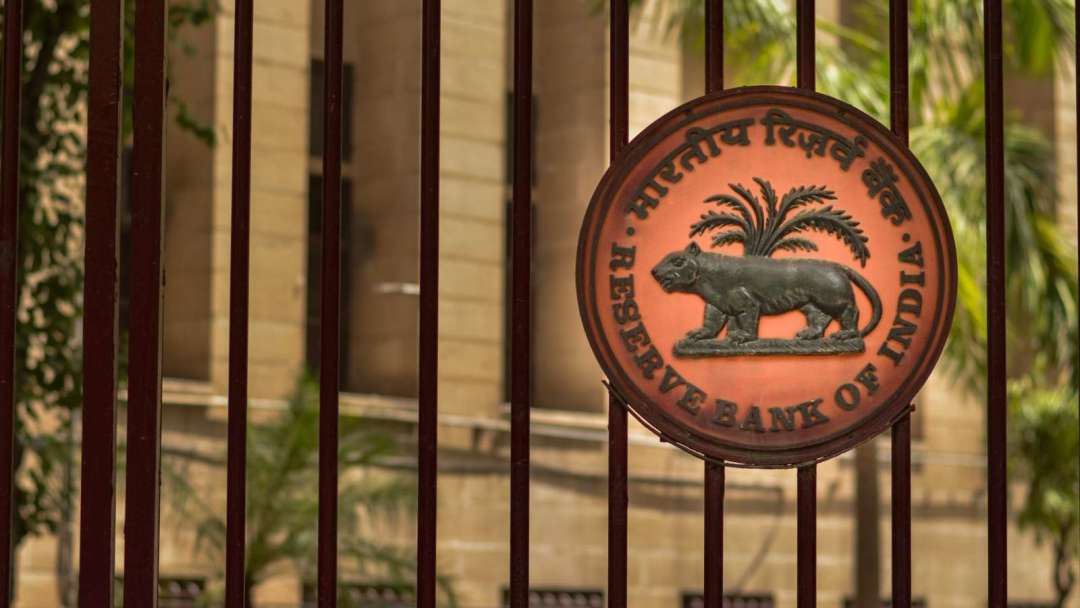
Surging crude oil prices have dampened market sentiment, pushing the Indian rupee close to its record low, prompting the Reserve Bank of India (RBI) to intervene in the foreign exchange market to support the currency.
According to the latest market data, the rupee depreciated by 0.2% on Monday (20th), reaching 96.4575 against the U.S. dollar—nearing the historic low of 96.9650 recorded at the end of May. The benchmark 10-year government bond yield rose 4 basis points to 6.82%.
Brent crude oil prices have surged over 20% in the past two weeks, breaching the $90 per barrel mark on Monday, amid escalating tensions between the U.S. and Iran, threatening fragile Middle East peace efforts. As crude accounts for over two-thirds of India’s total imports, sustained price increases are not only widening the trade deficit but also fueling inflation concerns, placing heavy pressure on foreign exchange reserves.
In response to volatile exchange rate movements, the RBI has actively stepped in. Sources indicate that the central bank has been selling dollars in both offshore and onshore markets to prop up the rupee. Additionally, authorities introduced a series of measures on June 5 to attract foreign currency inflows, including relaxing restrictions on domestic bond investments and encouraging Non-Resident Indians (NRIs) to deposit U.S. dollars.
Although the rupee briefly recovered to around 94.14 in late June due to policy support, it has since declined approximately 1.7% this month as rising oil prices have boosted dollar demand.
Barclays strategists, including Mitul Kotecha, noted that while the Indian government and RBI are accelerating efforts to attract foreign currency deposits, expected inflows from Foreign Currency Non-Resident (FCNR) accounts over the next few months are estimated at $25–30 billion—below the market’s anticipated $40–50 billion.
Traders warn that if Brent crude surpasses $95 per barrel, the rupee could hit a new record low unless the RBI adopts more aggressive intervention measures. Investors are now closely monitoring foreign capital inflows.
FACT BOX
- Source: PR Times
- Category: News
- Organizations: Barclays