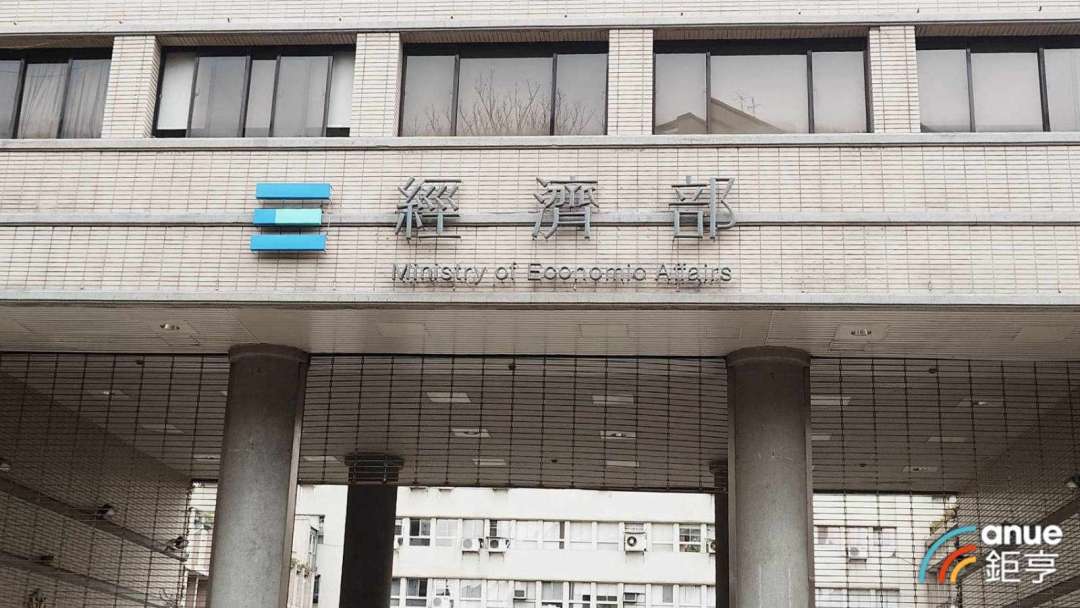
In response to recent remarks by Intel's former CEO Pat Gelsinger warning that disruptions to Taiwan's semiconductor supply chain could have a global economic impact surpassing the 1930s Great Depression, Taiwan's Ministry of Economic Affairs issued a formal statement. It emphasized that Taiwan has long played a critical role in the global semiconductor and artificial intelligence supply chains, supported by a highly integrated industrial ecosystem and robust infrastructure.
Taiwan has successfully navigated multiple strong earthquakes, global logistics disruptions caused by the COVID-19 pandemic, and several international energy crises, maintaining stable industrial operations throughout. This demonstrates the government and industry's long-term preparedness and the high resilience of the overall supply chain and energy systems.
Gelsinger recently warned in an interview that the global economy is highly dependent on chips from Taiwan, and that if China were to blockade Taiwan and cut off energy supplies due to geopolitical conflict, the semiconductor industry would suffer severe damage. He stressed that semiconductor manufacturing processes are extremely precise and require 24/7 operation, and sudden power outages would not only scrap entire wafers on production lines but also damage cleanroom environments and precision equipment.
He emphasized that if advanced wafer fabs are forced to halt operations due to power supply crises, it would take at least 90 days to recalibrate equipment, stabilize processes, and resume mass production. A three-month production vacuum would paralyze global technology, automotive, and defense industries. He warned that the ripple effects of such a production disruption could have a greater economic impact than the 1930s Great Depression.
The Ministry of Economic Affairs stressed that Taiwan has never experienced a complete disruption of its semiconductor supply chain. During past global chip shortages, Taiwan's industry promptly accelerated supply, demonstrating the country's strong capacity to respond to supply chain security and energy stability. The Ministry urged the public to carefully assess claims that are factually inaccurate or based on excessive speculation.
The Ministry noted that although Taiwan is located in a region prone to earthquakes and typhoons, since the 1999 921 earthquake, it has endured multiple strong quakes and typhoons—including the 2024 0403 Hualien earthquake—with almost no semiconductor factory halting operations for more than a day. Even in rare cases where production lines were slightly affected, other facilities continued operating and ramped up output to compensate. Taiwan's ICT and semiconductor supply chains are densely interconnected, with close cooperation and mutual support among manufacturers, significantly enhancing overall supply chain resilience.
Regarding energy import diversification, the Ministry stated that it has continuously promoted diversified sources for oil and gas imports, reducing risks from single regions or suppliers through long-term contracts, flexible spot market adjustments, and safety stock management. Domestic oil and gas safety stockpiles currently exceed legal requirements, ensuring sufficient and secure supply. In response to U.S.-Iran tensions, the Ministry's Energy Response Task Force is closely monitoring Middle East developments. Oil and gas supplies remain stable, with concrete procurement plans and backup arrangements in place for winter demand, assuring the public.
On power supply, the Ministry stated that in 2025, under Taipower's effective coordination, Taiwan's reserve margin will remain above 6% throughout the year, with 342 days exceeding 10%—indicating ample power supply. The government conducts annual rolling reviews of power supply and demand planning, already incorporating future electricity demands from semiconductor plant expansions, data centers, and AI technologies. Combined with deep energy-saving achievements, the projected average annual electricity demand growth from 2026 to 2035 is estimated at approximately 2.5%. Meanwhile, Taipower is accelerating the 'Grid Resilience Enhancement Program' to全面提升 the national power grid's ability to respond to sudden incidents, extreme weather, and regional risks.
The Ministry emphasized that in the face of changing international dynamics and extreme climate challenges, it will continue to strengthen energy supply security, power system resilience, and diversified dispatching capabilities. It will also deepen collaboration among industry, government, academia, and research institutions to enhance supply chain resilience and ensure preparedness against sudden incidents and external risks, maintaining stable economic growth and sustainable industrial development.
FACT BOX
- Source: PR Times
- Category: News