According to comprehensive foreign media reports, the Yemeni rebel group 'Houthi Movement' (also known as Houthi militants) announced on Monday (20th) that it would immediately impose a naval blockade on Saudi Arabia. This action is in retaliation for Saudi Arabia's 'blockade' of Yemen's capital Sana'a and recent airstrikes on Sana'a International Airport, potentially adding new risks to global energy supply.
Houthi spokesperson Yahya Saree stated that all Saudi vessels would be immediately included in the blockade. The group accused Saudi Arabia of ongoing aggression against Yemen, with tensions between the two sides escalating rapidly since last week. The Houthi Movement has already launched attacks on an airport in southern Saudi Arabia, marking the most serious escalation of conflict since the 2022 ceasefire.
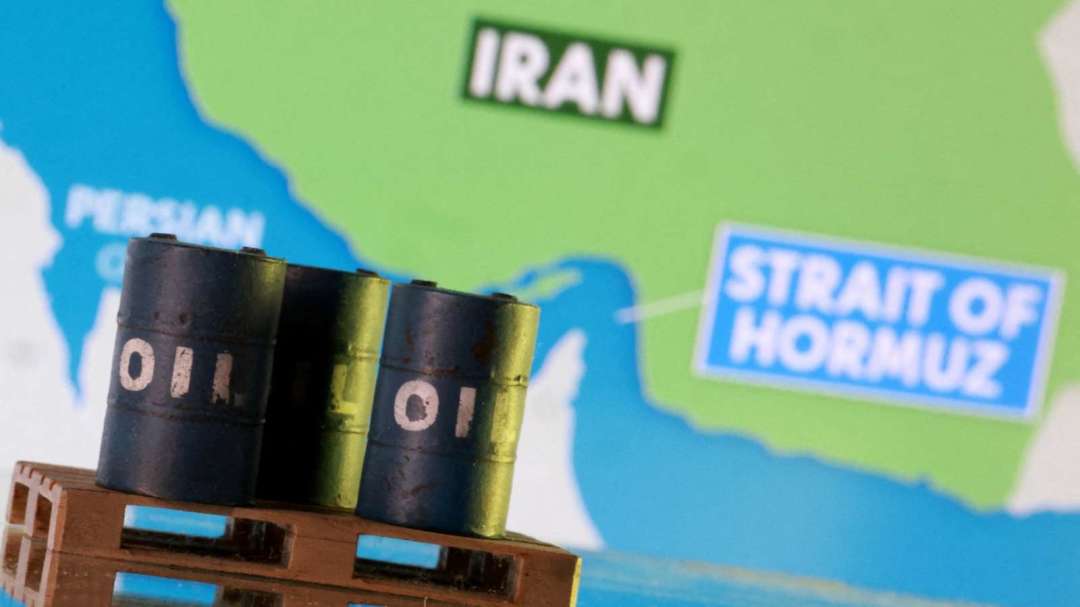
Markets are concerned that if the Houthi Movement again disrupts shipping in the Red Sea, it could further impact global crude oil supply. Following the outbreak of war between the U.S. and Iran, Iran attacked oil tankers in the Strait of Hormuz, forcing Saudi Arabia to reroute large volumes of crude oil via pipeline to Yanbu on the Red Sea for export. Last month, export volumes surged to 4.19 million barrels per day, a record high, making this route a crucial alternative export corridor for the global oil market.
However, the Houthi Movement has repeatedly attacked commercial ships in the Red Sea in the past, temporarily paralyzing shipping through the Bab el-Mandeb Strait, which connects the Red Sea and the Gulf of Aden. This forced many shipping companies to abandon the shortest route between Asia and Europe. If the Bab el-Mandeb Strait is blocked again, millions of barrels of crude oil exported by Saudi Arabia via the Red Sea could be affected, further exacerbating supply pressures caused by disruptions in the Strait of Hormuz.
Despite market vigilance over supply risks, oil price reactions have been relatively restrained. Brent crude briefly fluctuated upward amid rising Middle East tensions but rose only about 0.2% by the afternoon trading session in London, indicating investors are still watching whether the Houthi Movement will take actual blockade actions and whether regional conflict will escalate further.
FACT BOX
- Source: PR Times
- Category: News