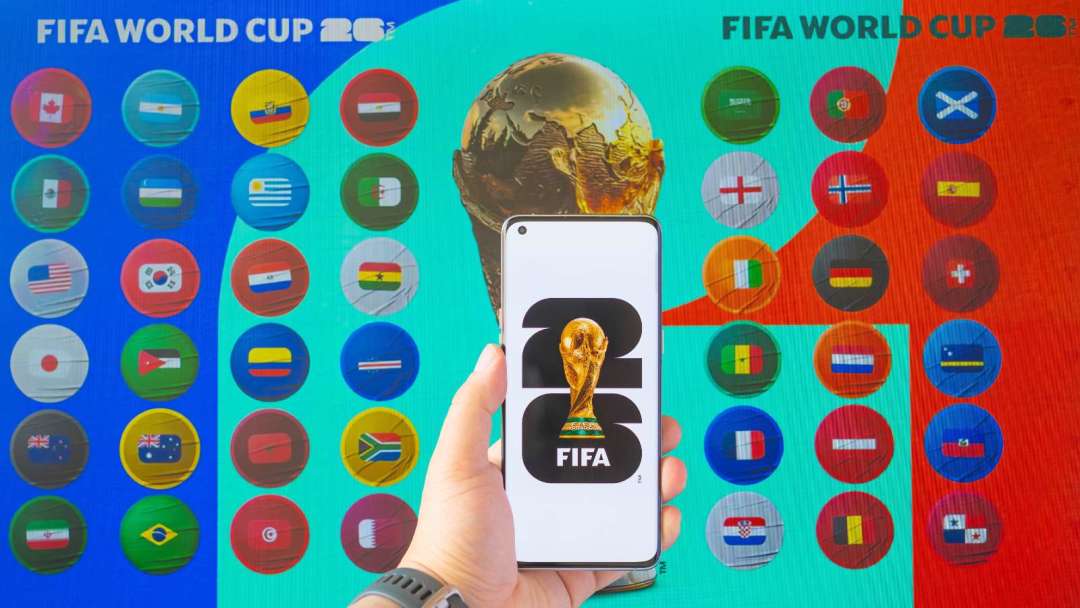
The 2026 World Cup officially concluded on Sunday, the 19th, with the Spanish team defeating Argentina in extra time with a score of 1-0. Forward Ferran Torres scored the winning goal, helping the team secure their second championship. Although the final was somewhat lackluster due to Argentina's player Enzo Fernández being sent off, the tournament's commercial revenue reached unprecedented heights.
The Most Lucrative World Cup in History
The International Federation of Association Football (FIFA) was the biggest winner of this tournament. According to their estimates, the annual revenue for 2026 is expected to exceed $90 billion, an increase of approximately $20 billion from the original forecast.
The main reason for the revenue surge is that this tournament expanded for the first time to 48 teams. The number of matches increased significantly from 64 to 104, and the holding period was extended to six weeks. This not only brought in more broadcasting rights revenue but also attracted over 15 million fans to the stadiums and fan plazas.
However, the strong commercial color also drew many criticisms. FIFA introduced a 'dynamic pricing' system for the first time, causing the median ticket price to exceed $900, with the highest ticket price even surpassing $10,000. Additionally, the final mimicked the Super Bowl by adding a halftime show, inviting stars like Madonna and BTS to perform, extending the halftime to over 27 minutes, which was criticized by many fans and commentators.
FIFA even didn't overlook the competition's grass, selling the final venue's turf, sealed in resin, at $3,000 per piece.
Political Interference and Power Struggles
The most controversial aspect of this tournament was the close relationship between U.S. President Donald Trump and FIFA President Gianni Infantino.
During the knockout stage, Trump personally called Infantino, requesting the revocation of the suspension of U.S. forward Folarin Balogun. The FIFA disciplinary committee then, in an unprecedented manner, temporarily suspended the execution of the suspension, allowing Balogun to play in the match against Belgium. This was seen by the outside world as political interference in sports, questioning the independence of FIFA.
Additionally, the field was filled with political mudslinging. Argentine players displayed a banner supporting the sovereignty of the Falkland Islands after defeating England, prompting a request for an investigation from the British government; the Iranian team, due to the impact of U.S. sanctions, had to travel back and forth between the Mexican camp and the U.S. venue on match days, much to their dismay.
Technical Controversies and Future Expansion
This World Cup's reliance on technology also sparked backlash. In the Croatia vs. Portugal match, a seemingly perfect goal was disallowed due to a ball internal sensor detecting a minor offside contact. Croatia angrily denounced this as 'abuse of technology.' However, for FIFA, these data points are precisely the opportunities to promote the commercialization of AI and further profit.
Despite the ongoing controversies, Infantino's expansion strategy remains steadfast. He has already planned to further expand the World Cup to 64 teams by 2030. Since FIFA will feedback a large amount of revenue to various national football associations, over 200 member associations have already expressed support for Infantino's re-election as president in 2027.
FACT BOX
- Source: PR Times
- Category: Event
- Organizations: FIFA