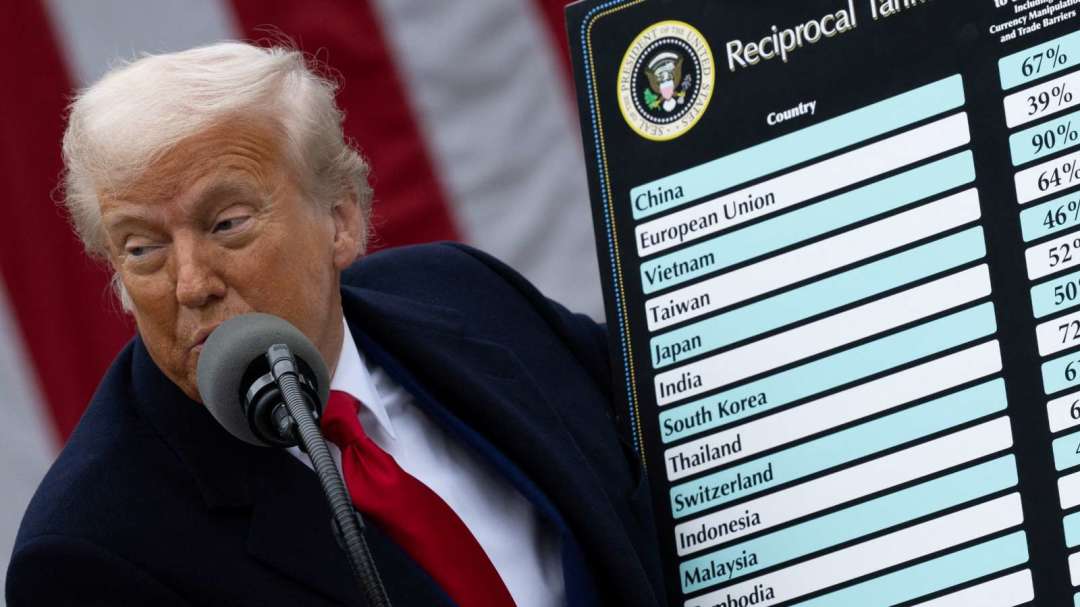
U.S. Trade Representative Jamieson Greer hinted on Tuesday (21st) that the Trump administration is preparing to impose new tariffs on dozens of countries, potentially as early as this week. Meanwhile, the 10% blanket tariff previously implemented by President Trump under Section 122 of the Trade Act of 1974 is set to expire this Friday (24th).
The UK's Financial Times earlier reported that the U.S. could announce additional tariffs as soon as this week. When asked on CNBC's 'Squawk Box' whether new tariffs were imminent, Greer responded, 'We expect to see some actions very soon.'
Greer stated he cannot disclose the exact timeline, as he has a responsibility to brief Congress and other stakeholders before any official announcement. However, he reiterated that the Trump administration does expect to take action in the near term.
These remarks suggest the Trump administration may be preparing a new round of tariffs to replace expiring import tax measures. Hours after the U.S. Supreme Court struck down Trump's large-scale 'Liberation Day' tariff regime in February, Trump invoked Section 122 of the Trade Act of 1974 to impose a 10% tariff on all imported goods.
Under the law, this tariff will expire at 12:01 a.m. Eastern Time on Friday unless extended by Congress. However, congressional intervention currently appears unlikely.
The Trump administration has already taken steps to establish a new legal foundation for subsequent tariff measures. In early June, the Office of the U.S. Trade Representative proposed imposing tariffs of up to 12.5% on imports from 60 economies under Section 301 of the Trade Act of 1974, citing the failure of these trading partners to adequately address forced labor issues.
Section 301 allows the U.S. to investigate and retaliate against foreign unfair trade practices and has previously served as a key legal tool for the Trump administration to impose large-scale tariffs on China.
Greer noted that while the U.S. has laws prohibiting trade in goods involving forced labor, most countries lack similar regulations, and even where such laws exist, enforcement is often inadequate.
He stated that the proposed Section 301 tariffs targeting 60 economies cover a scope equivalent to about 99% of U.S. trade. He said this figure highlights the scale of the forced labor goods problem facing the U.S.
If the new tariffs are implemented as expected, the Trump administration will be able to sustain its tariff policy after the expiration of the Section 122 blanket tariffs, using forced labor and unfair trade practices as justification. However, Greer has not yet disclosed which goods will be affected, the tariff rates for each economy, or the official effective date.
FACT BOX
- Source: PR Times
- Category: News