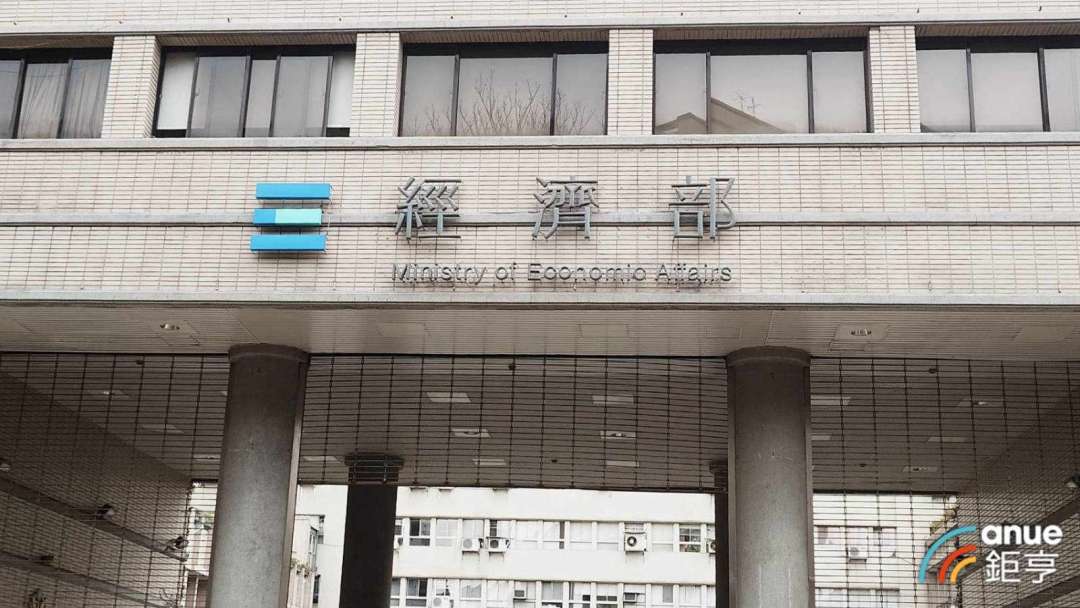
In response to the proposal by the Kuomintang (KMT) caucus in the Legislative Yuan calling for the Executive Yuan to suspend the 'Integrated Program for Unmanned Vehicle Industry Development' and eliminate its entire budget for fiscal year 2026 (115), the Ministry of Economic Affairs (MOEA) issued a stern statement today (21), emphasizing that unmanned vehicles are one of Taiwan's fastest-growing strategic industries in recent years. If government support funding is suddenly zeroed out, it will directly devastate the entire industrial supply chain and severely weaken national defense self-reliance, affecting the long-term development of over 267 domestic suppliers and dozens of listed and unlisted companies.
According to the latest global economic outlook, the world has entered a new cycle driven jointly by 'defense spending, AI investment boom, and energy transition.' Data shows that by 2030, global defense expenditure is projected to reach $3.7 trillion, with AI and clean energy together accounting for 11.2% of global GDP. Within this structural transformation, the drone industry is not only a technological competition but also a key component in the global supply chain restructuring—specifically, a critical node in the 'non-China supply chain.'
The MOEA pointed out that Taiwan's economy is currently strong, with the 2026 GDP forecast revised upward multiple times to 9.64%, driven primarily by export performance. In the first half of this year alone, Taiwan's drone exports reached $212 million, far exceeding last year's full-year total of $93 million, indicating the industry is in an explosive growth phase. Interrupting the budget at this stage would not only hinder companies from capitalizing on opportunities in global supply chain reconfiguration but also cause Taiwan to fall behind in the international race for strategic industries.
The MOEA emphasized that 2026 is a pivotal year for the full implementation of the unmanned vehicle program, with an originally allocated budget of approximately NT$8 billion, coordinated across 13 central ministries. The specific initiatives include:
- Creating market demand: 13 ministries will procure government-use drones to help companies accumulate real-world performance records, serving as a gateway to overseas markets. - Key technology R&D: Specialized research programs will promote indigenous innovation to ensure products have international competitiveness. - Field development: Establishing the Asia Innovation Center and the NCSIST Minxiong Campus to provide production and R&D spaces. - Regulatory environment improvement: The Ministry of Transportation and the Ministry of Digital Affairs will enhance cybersecurity certification and flight test field regulations.
Beyond industrial impact, drones also serve practical functions in public administration. The MOEA stated that many ministries manage areas with complex terrain, and drone procurement can effectively reduce personnel risks during operations. Eliminating the budget would disregard fundamental safety needs within the public sector. Moreover, the 267 companies currently in the supply chain have already invested significant capital and manpower based on policy expectations. Government funding serves a 'risk-sharing' function; if the budget is zeroed, corporate investments will be delayed, mass production plans disrupted, and financial pressure increased.
The MOEA urged that amid global high inflation and persistent volatility, maintaining policy stability is crucial for emerging industries. Taiwan must seize the current opportunity to build a 'trusted supply chain.' Only through stable budget execution can the domestic drone industry steadily progress toward its 2030 (119) target of NT$40 billion in output value, continuing to leverage Taiwan's pivotal advantages in advanced manufacturing and AI applications.
FACT BOX
- Source: PR Times
- Category: News