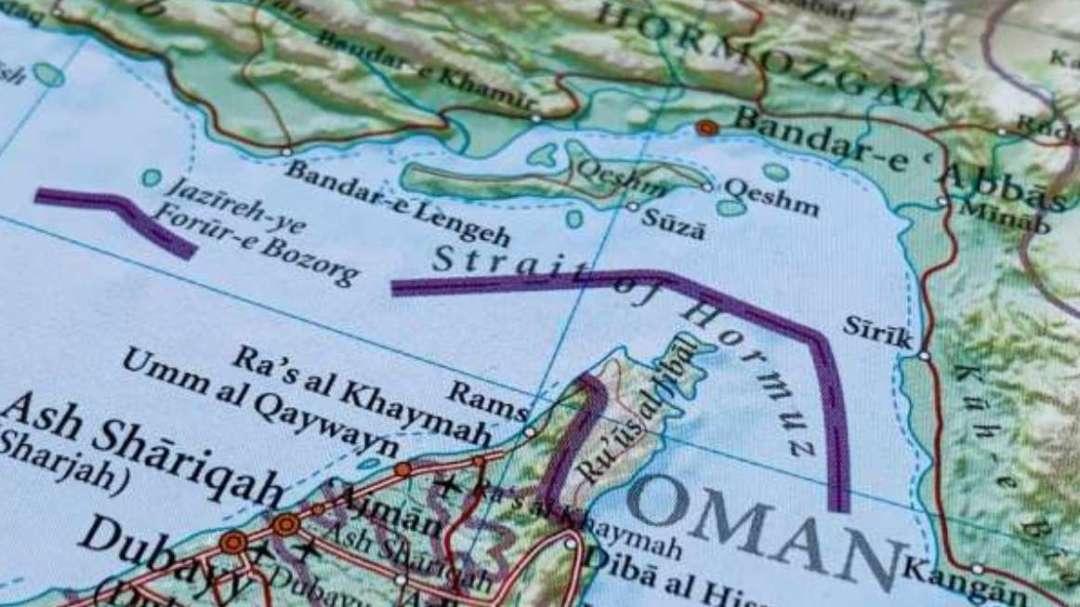
After former U.S. President Donald Trump announced a blockade of the Strait of Hormuz last week, the number of vessels passing through the strait has sharply declined. According to Lloyd's List Intelligence, only 53 vessels transited the Strait of Hormuz in the week ending July 20, a 66% drop from the previous week. The number of oil tankers and liquefied natural gas (LNG) carriers transporting crude and LNG from the Persian Gulf plummeted from 90 to just 30.
Data from Kpler also shows an immediate decline in shipping activity following the blockade: prior to July 15, over 20 vessels passed through the strait daily on average, but this dropped to 16 on July 15 and further plunged to single digits on July 16. Although traffic saw occasional rebounds in the following week, overall activity remained subdued.
This sudden freeze reversed weeks of gradual recovery. Following a mid-June ceasefire, some shipowners had begun resuming Persian Gulf routes, but renewed hostilities have once again brought this strategic waterway—through which about one-fifth of global oil consumption flows—close to inactivity.
Bridget Diakun, Senior Risk and Compliance Analyst at Lloyd's List, said: "Shipping activity has clearly slowed since tensions escalated again. This is not surprising, as operators typically withdraw first to reassess risks."
However, she noted that shipping has not completely halted: "Risk tolerance varies among shipowners. We still see some tankers entering and exiting; transit has not fully stopped."
Diakun added that vessel traffic is more likely to fluctuate in "waves" rather than sustain steady recovery. Shipowners may resume operations during brief windows perceived as relatively safe, only to withdraw again if tensions rise.
S&P Global data reflects the same trend: only 40 vessels passed through the Strait of Hormuz between July 17 and 19, averaging about 13 per day. For the week ending July 19, total transits dropped nearly 50% from the previous week.
During this period, commercial vessels accounted for over 70% of total traffic, but only about one-third complied with maritime restrictions. Many of the vessels still sailing are linked to Iran or are under sanctions, indicating that mainstream international shipowners remain reluctant to return to the route.
Saul Kavonic, Head of Energy Research at MST Marquee, said: "The latest escalation shows that market expectations for a swift reopening of the Strait of Hormuz were overly optimistic."
He noted that renewed conflict and the reimposition of blockades have reignited tensions, with current throughput in the Strait of Hormuz now down to about 15% of pre-war levels.
Kavonic warned that if high-intensity conflict persists for several weeks or regional energy infrastructure is attacked, international oil prices could retest the $100 per barrel mark.
FACT BOX
- Source: PR Times
- Category: News
- Organizations: Lloyd's List Intelligence / Kpler / S&P Global