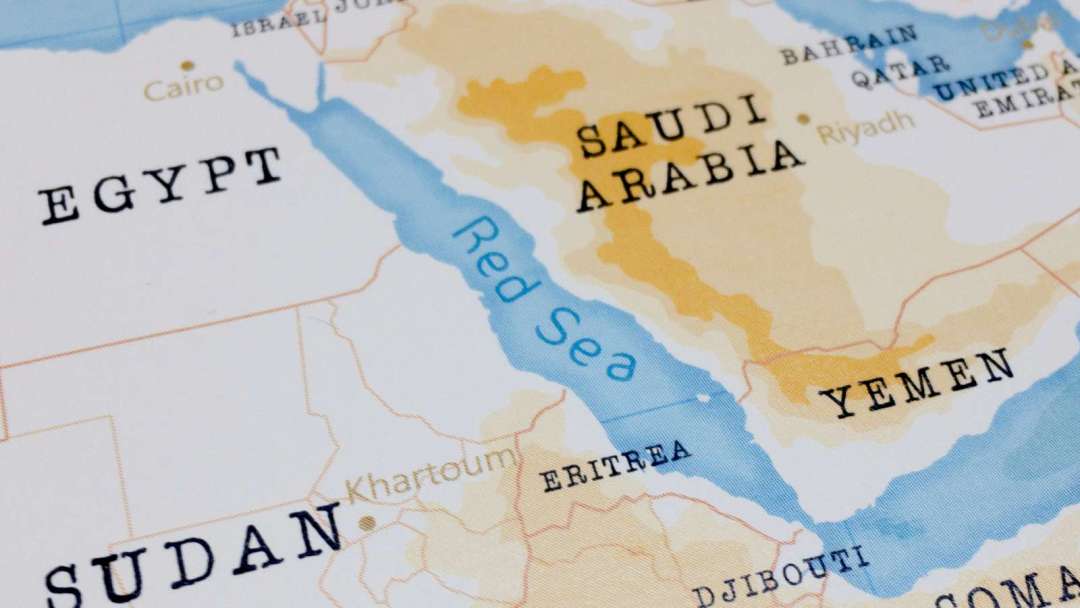
A surreal scene is unfolding in global energy and shipping history as the Strait of Hormuz and the Bab-el-Mandeb Strait in the Red Sea face simultaneous disruptions. Asian refiners are now seeking to transport Saudi Arabian crude oil via the Suez Canal, rerouting shipments around Africa.
Industry sources report that following Yemen's Houthi rebels' announcement this week of a maritime blockade against Saudi Arabia, Asian refiners are exploring new routes, planning to ship crude from Saudi ports on the Red Sea through the Suez Canal and around Africa to Asia.
Over recent months, military tensions between the U.S., Israel, and Iran have significantly reduced oil supply, forcing Asian refiners to seek alternative crude sources or reroute shipments. This latest shift in shipping routes signals further disruption to global oil flows.
On Tuesday (21st), two oil tankers carrying Saudi crude bound for Asia turned back after being threatened by Houthi forces in the Red Sea. The number of vessels transiting the Strait of Hormuz earlier this week has also further declined.
According to Reuters, analysts and industry experts warn that compared to the conventional eastward route from Saudi Arabia’s Red Sea port of Yanbu toward the Arabian Sea, the new westward route via Egypt and the Suez Canal could add up to four extra weeks of transit time, significantly increasing freight and fuel costs.
Latest vessel tracking data from LSEG and Kpler, released on Tuesday, shows the Liberian-flagged VLCC 'Rodos,' which had loaded crude in Yanbu and was destined for India’s west coast, has changed course westward, preparing to enter the Suez Canal.
A shipping source revealed that South Korean refiner Hyundai Oilbank was also seeking a Very Large Crude Carrier (VLCC) on Tuesday, planning to load crude in Yanbu and considering options to transport it to South Korea via the Suez Canal and the Suez-Mediterranean Pipeline (SUMED).
Notably, fully laden VLCCs cannot pass directly through the Suez Canal due to draft restrictions. As a result, shippers typically offload part of the cargo via SUMED before entering the canal, lightening the vessel’s load. After transiting the canal in a lighter state, the vessel re-loads the transferred crude on the Mediterranean side.
The shipping source said charterers are currently assessing whether to use SUMED or reroute around Africa, depending on their circumstances. If the Bab-el-Mandeb Strait—the southern gateway to the Red Sea—is fully blocked, all parties will need to recalculate rerouting costs.
Historically, the Suez Canal and SUMED have primarily been used to transport goods from the Red Sea to Europe.
"The change in tanker routing shows the industry is taking these threats seriously," said Matt Smith, Kpler’s Director of Commodities Research.
He added that for Saudi Arabia, the Houthi disruptions are compounding existing challenges—just last month, Saudi crude and petroleum product shipments through the Bab-el-Mandeb Strait hit a record high of over 4 million barrels per day.
FACT BOX
- Source: PR Times
- Category: News
- Organizations: Hyundai Oilbank / LSEG / Kpler