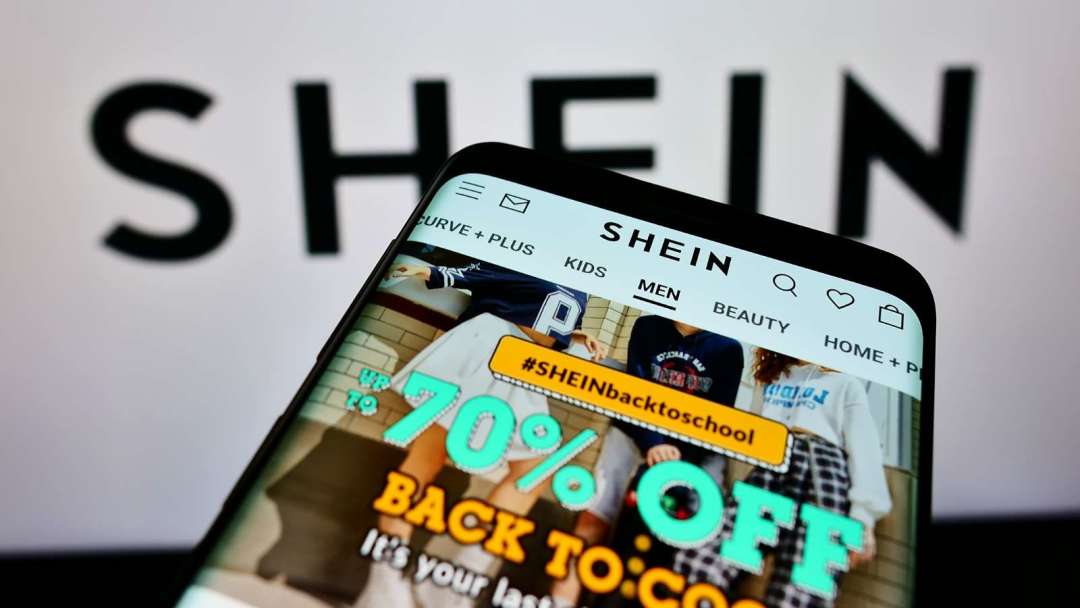
Global fast fashion e-commerce giant SHEIN, after setbacks in its attempts to list in the U.S. and the U.K., has recently made a key breakthrough toward a Hong Kong listing. According to sources, SHEIN has received IPO approval from the Hong Kong Stock Exchange Listing Committee and could officially go public as early as late August. Meanwhile, China's securities regulator issued an overseas listing备案 notice on July 10, approving SHEIN to issue up to 342 million ordinary shares on the Hong Kong Stock Exchange.
Despite securing a market 'entry ticket,' SHEIN faces multiple challenges, including a sharply reduced valuation, low profit margins, and tightening global regulations.
Valuation Plummets
SHEIN is seeking a valuation of approximately $40–50 billion in this IPO. Compared to its peak valuation of $100 billion during a 2022 funding round, current market expectations have shrunk by more than half. Some investors even believe that, given intense competition and worsening policy conditions, a valuation closer to $30 billion would be more attractive.
This valuation correction reflects a reassessment of SHEIN's financial model by capital markets. Although SHEIN reported over $40 billion in revenue last year and nearly $2 billion in profit, its net profit margin is only about 2.7%, far below the 12% to 15% range of traditional fast fashion leader Inditex (parent of ZARA). This 'high-revenue, low-profit' structure appears particularly vulnerable amid rising operational costs.
SHEIN's choice of listing venue has been tumultuous. In 2023, it secretly filed for a NYSE listing with a rumored valuation of up to $90 billion, but progress stalled due to U.S.-China tensions and compliance pressures. In 2024, its attempt to list in London was halted by regulatory scrutiny. Hong Kong now offers a relatively stable fundraising environment and access to Asian and global long-term capital, making it the landing point for SHEIN's fourth IPO attempt.
EU and U.S. Tax Reforms Hit Low-Cost Direct Shipping
For years, SHEIN has relied on the 'de minimis' rule to ship low-cost packages directly to consumers without tariffs. However, this advantage is rapidly disappearing. The EU will eliminate tariff exemptions for goods under €150 starting in 2026 and impose a €3 fee per low-value e-commerce parcel. Analysts note this is a heavy burden for items priced at just a few euros, directly undermining SHEIN's price competitiveness and conversion rates.
To mitigate the impact, SHEIN is being forced to shift from its asset-light 'cross-border direct mail' model to a capital-intensive 'local fulfillment' strategy. It is expanding overseas warehouses in countries like Poland and turning to bulk sea freight to reduce per-unit costs. However, this requires more accurate inventory forecasting, or the company risks inventory overstock.
Identity Paradox and Governance Transformation
SHEIN's 'identity issue' has long been a sensitive topic in its listing journey. Although the company has moved its headquarters to Singapore and promoted a 'de-Chinese' narrative, over 90% of its supply chain remains rooted in Guangdong, China. This 'offshore entity, onshore supply chain' structure forces SHEIN to satisfy both Western regulatory expectations and China's CSRC requirements for domestic companies listing overseas.
To seek new growth, SHEIN is accelerating its shift toward a 'platform model,' opening its marketplace to third-party sellers and aiming to evolve from a single apparel brand into a global cross-border e-commerce platform. However, this brings inevitable costs, including intellectual property infringement lawsuits (such as those from Nike and Uniqlo) and rising compliance expenses.
The 'Ultimate Test' After Listing
Obtaining listing approval is only the first step. Once its prospectus is fully disclosed, SHEIN's true financial health, transfer pricing controversies, and supply chain labor standards will face comprehensive scrutiny from public markets.
FACT BOX
- Source: PR Times
- Category: Funding
- Organizations: Inditex / ZARA / Nike