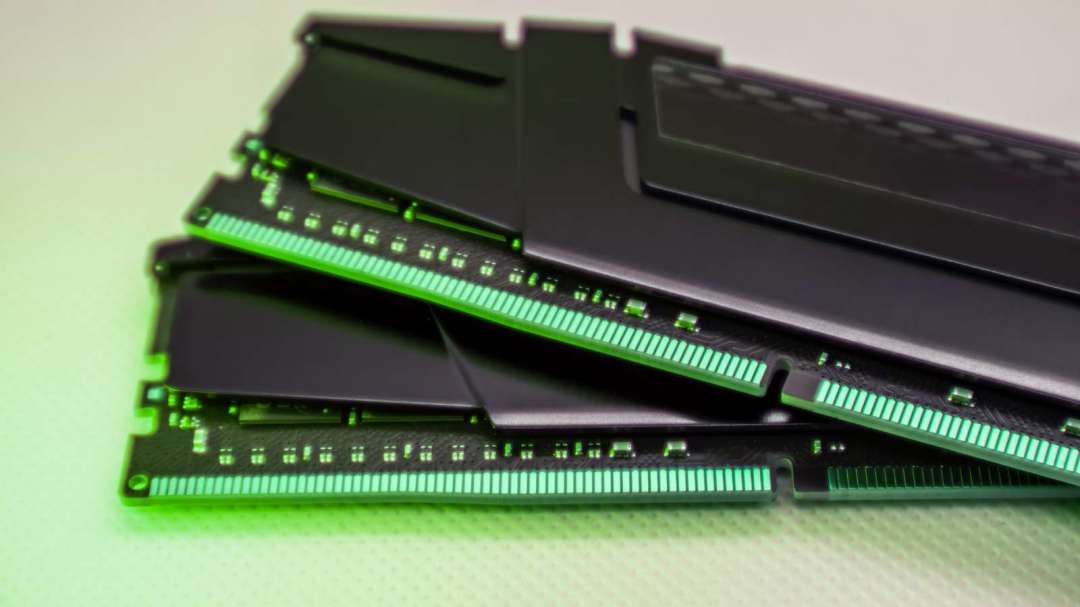
With the explosive growth of artificial intelligence (AI) technology, the global semiconductor market is undergoing unprecedented transformation. According to recent market analyses and industry leaders, dynamic random-access memory (DRAM) has become one of the most supply-chain-constrained 'commodities' in the tech sector.
The market widely believes this memory shortage, driven by AI infrastructure development, will not ease in the short term. In fact, some experts predict the shortage could persist for up to ten years.
There are currently two main schools of thought regarding the timeline for DRAM market recovery. First, ADATA Chairman Chen Li-bai has offered the most long-term and aggressive outlook, stating that the DRAM shortage will last for ten years. He argues that the industry has severely underestimated future demand for AI infrastructure. Even with major manufacturers like Samsung, SK Hynix, and Micron aggressively expanding production, new fabs coming online between 2028 and 2035 may still fail to meet market demand.
Chen even suggests that discussions about an AI bubble should not be taken seriously until 2030—or even 2040—because AI is now deeply embedded across commercial and government applications.
In contrast, some financial institutions hold a more moderate yet cautious stance. UBS predicts that market supply-demand balance will not return until at least Q2 2028. SK Hynix, meanwhile, forecasts the crisis will peak in 2027 and could extend into 2030.
The HBM Crowding-Out Effect and Production Constraints Drive Imbalance
Market analysis indicates the primary causes of this sustained DRAM shortage are shifts in demand structure and supply-side bottlenecks—particularly the 'cannibalization' effect of high-bandwidth memory (HBM). Demand for HBM in AI servers is growing explosively, severely consuming wafer production capacity. Since HBM production is more complex and consumes more wafer capacity, every wafer dedicated to HBM means one less wafer available for traditional DRAM.
TrendForce estimates that by the end of 2027, the three major manufacturers' wafer input for HBM will account for 30% of total DRAM production capacity, leaving supply able to meet only about 60% of expected demand.
On the other hand, new capacity expansion is slow, and manufacturers are adopting conservative strategies. Building a new memory fab typically takes 12 to 24 months from groundbreaking to peak production. Although Samsung and SK Hynix have committed approximately $518 billion to build new fabs, debugging new equipment and optimizing yield still require time.
Moreover, having experienced past economic cycles, manufacturers are now more cautious, avoiding overexpansion to protect profit margins. This 'self-discipline' further limits the pace of supply growth.
Market Impact and Future Outlook
This memory crisis has already directly impacted product pricing. DDR5 memory kit prices have surged from around $100 to over $400, potentially leading to price increases of up to 8% for personal computers (PCs) and smartphones.
Looking ahead, Morgan Stanley predicts that by 2030, memory will account for 40% of AI capital expenditures, indicating this is not a short-term phenomenon. While manufacturers are accelerating the shift to 1c process nodes to improve manufacturing efficiency, given AI systems' ever-growing demand for memory capacity, the DRAM market is expected to remain a seller's market for the coming years, maintaining high prices and high profit margins.
FACT BOX
- Source: PR Times
- Category: Survey
- Organizations: TrendForce
- Products / services: DRAM / HBM