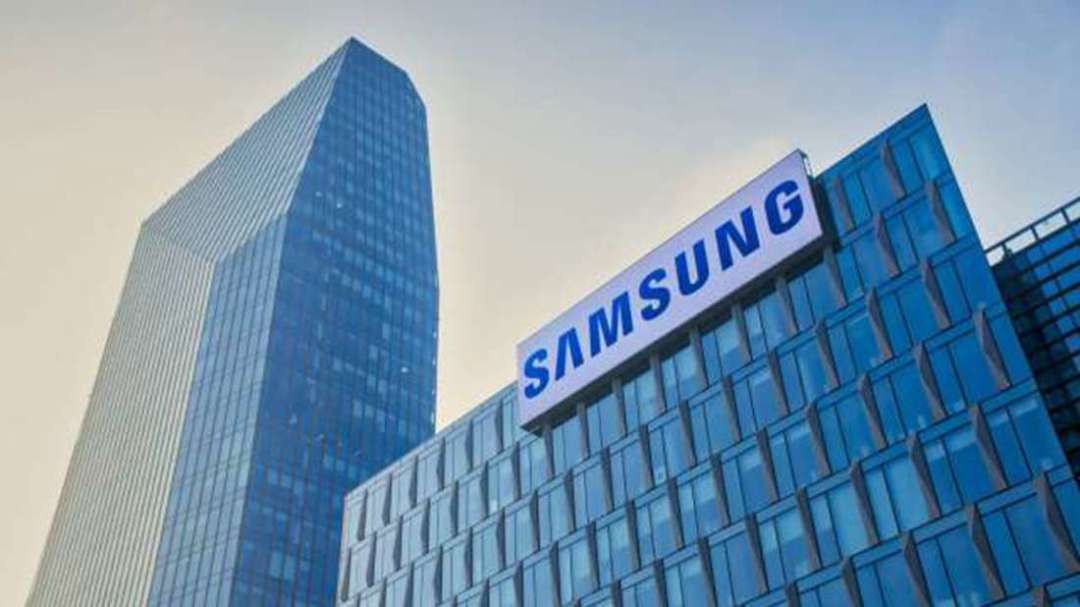
After Samsung Electronics yielded to labor unions by awarding bonuses exceeding $400,000 to some employees, a new wave of labor unions in South Korea is demanding a larger share of corporate profits. This movement began with unions calling on semiconductor giants Samsung Electronics and SK Hynix to share the massive profits generated by the artificial intelligence (AI) boom, but has now spread to industries with little connection to AI, once again highlighting the powerful influence of South Korea's labor unions and the potential risks they pose to investors.
According to Bloomberg, just this week, production-line workers at Hyundai Motor launched a three-day partial strike, demanding that up to 30% of the company's consolidated profits be allocated as employee bonuses.
Similarly, unions at HD Hyundai Heavy Industries and telecom operator LG Uplus are demanding that at least 30% of operating profits be paid out as bonuses. Unions at Hanwha Aerospace and HD Hyundai Electric are calling for the removal of bonus payout caps.
In the tech sector, Kakao, which operates South Korea's largest messaging app, experienced its first large-scale strike since its founding last month, with thousands of employees demanding that up to 15% of operating profits be used as bonus funding. The union at Naver, South Korea's largest search engine, is also forming an alliance with unions from multiple affiliated companies to strengthen collective bargaining power.
AI and Automation Emerge as New Labor-Management Conflict Points
However, automation and AI are also becoming new sources of labor-management conflict for some companies.
The unions at Hyundai Motor and its subsidiary Kia are demanding that the company safeguard employees' jobs to prevent humanoid Atlas robots from threatening employment in the future.
The Hyundai Motor union stated: 'Not a single robot can enter the factory without union approval.' The union insists that the company must obtain employee consent before investing in new technologies and new vehicle projects.
Hyundai Motor's union demands highlight the growing global anxiety over AI's impact on employment. Meta (META-US) CEO Mark Zuckerberg has said this year will be 'the year AI begins to fundamentally change the way we work.'
Some port workers in Australia have demanded shorter working hours without pay cuts, arguing that workers should share in the efficiency gains brought by AI and automation. Major European labor organizations are also calling for legislation to regulate the use of AI and to grant workers the right to participate in decisions about AI implementation.
South Korea Debates Corporate Profit Distribution
South Korean society is now witnessing a surge in debate over how corporate profits should be distributed. Unions argue that the current bonus system primarily rewards senior executives, not ordinary workers who are most likely to be affected by AI, automation, and corporate restructuring.
Barclays economist Son Bumki noted that due to South Korea's rigid labor market and legal protections against layoffs, recent wage agreements have become almost a 'free option' for employees. He described it as: 'When the economy is bad, employees are protected by labor laws; when it's good, they get to share in corporate profits.'
Even within the same company, friction is emerging between different business divisions. For example, last week, employees in Samsung Electronics' smartphone, TV, and home appliance divisions protested due to excessive bonus disparities compared to the semiconductor division.
Business groups are concerned that recent labor-friendly legal reforms have given unions excessive influence and encouraged employees to use strikes as a negotiation tool. Opposition lawmakers are pushing for legal revisions to limit the scope of collective bargaining and restrict labor disputes to matters related to working conditions.
Labor Conflicts Could Drive Up Corporate Costs
As union influence grows, companies are beginning to feel real financial pressure. According to Yonhap News Agency estimates, Hyundai Motor's recent strike could result in losses exceeding 187 billion won (approximately $13 million) per hour.
Samsung Securities recently cut its target price for Kakao by nearly 27%, citing stalled corporate restructuring and slow progress on AI strategy. Analyst Oh Donghwan noted: 'This year's most important investment theme for Kakao was improving profitability through corporate restructuring, but prolonged labor conflicts could undermine this momentum.'
Labor disputes may also force companies to adjust their business models. Chey Tae-won, chairman of the SK Group and head of the Korea Chamber of Commerce and Industry, said that if SK Hynix's high bonus system harms shareholders, suppliers, or the broader industry, the company may need to reconsider its bonus policy.
Ko Ki-young, a professor at Hanshin University and former labor-management executive at Hyundai Motor, said that if companies and employees cannot reach a consensus on fair profit sharing, 'costly and protracted labor conflicts will continue in the future.'
(This article is not available for syndication with partners)
FACT BOX
- Source: PR Times
- Category: News
- Organizations: LG Uplus / Kakao / Naver