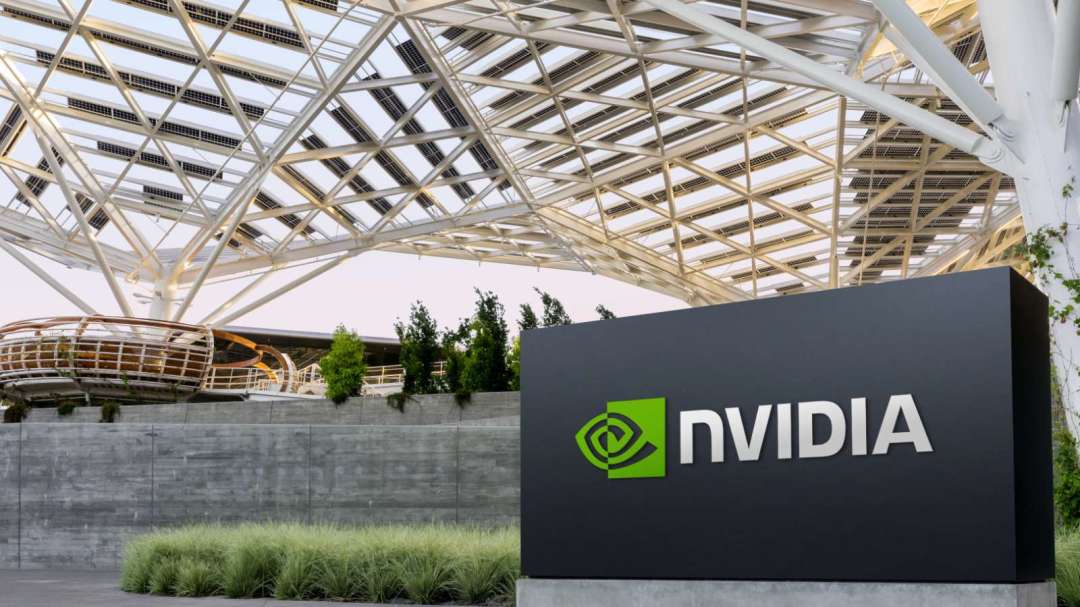
Alphabet (GOOGL-US) released better-than-expected financial results and significantly raised its capital expenditure (CapEx) outlook, indicating that investment in AI infrastructure will continue to accelerate. The market initially expected this to further boost demand for AI chips. However, Nvidia (NVDA-US) stock declined in pre-market trading on Thursday, as market funds shifted toward memory and semiconductor supply chain players, reflecting a new wave of rotation among AI概念股.
Nvidia's pre-market share price dropped by as much as 0.7%, contrasting with the expectation that it would benefit from Alphabet's expanded AI investment. In contrast, Micron (MU-US) rose 2% pre-market, and SK Hynix surged 5.2%, emerging as key beneficiaries within the AI supply chain.
Market analysis indicates that Alphabet's increased capital spending will primarily go toward AI infrastructure, including AI chips, memory, and related data center equipment, helping to alleviate prior market concerns about excessively high AI hardware prices and the sustainability of corporate investment enthusiasm.
In theory, increased spending on AI infrastructure should benefit Nvidia, the leader in AI GPUs. However, its stock did not immediately reflect the positive news, primarily because market capital allocation strategies are changing.
Recent market trends show that some investors have been selling chip stocks and moving into large-cap tech stocks. However, as Alphabet confirmed that AI-related capital expenditure will remain high, investors are repositioning within the AI supply chain, particularly focusing on companies specializing in chips and memory products. As a result, funds are flowing back into companies like Micron and SK Hynix.
Analysts believe that although Nvidia's core business remains chip design, its rapidly rising market capitalization has elevated it to one of the world's most valuable tech companies. The market increasingly views Nvidia not just as a semiconductor company, but as a 'Big Tech' player. Consequently, during fund rotations, Nvidia becomes a target for profit-taking, with capital shifting toward smaller-cap, more attractively valued AI supply chain stocks.
Nvidia was not alone—Alphabet's own stock did not rise despite strong earnings, falling nearly 5% in pre-market trading. This was mainly due to investor concerns that the company's continued increase in capital expenditure could pressure future profitability and free cash flow.
Overall performance among large tech stocks was also weak. Amazon (AMZN-US) fell about 2% pre-market, and Meta Platforms (META-US) declined by a similar margin. This indicates that even as AI investment prospects grow more optimistic, the market is still short-term reallocating funds from large-cap tech stocks to AI chip and memory supply chain groups in search of higher growth potential.
FACT BOX
- Source: PR Times
- Category: News
- Organizations: Alphabet / Meta Platforms