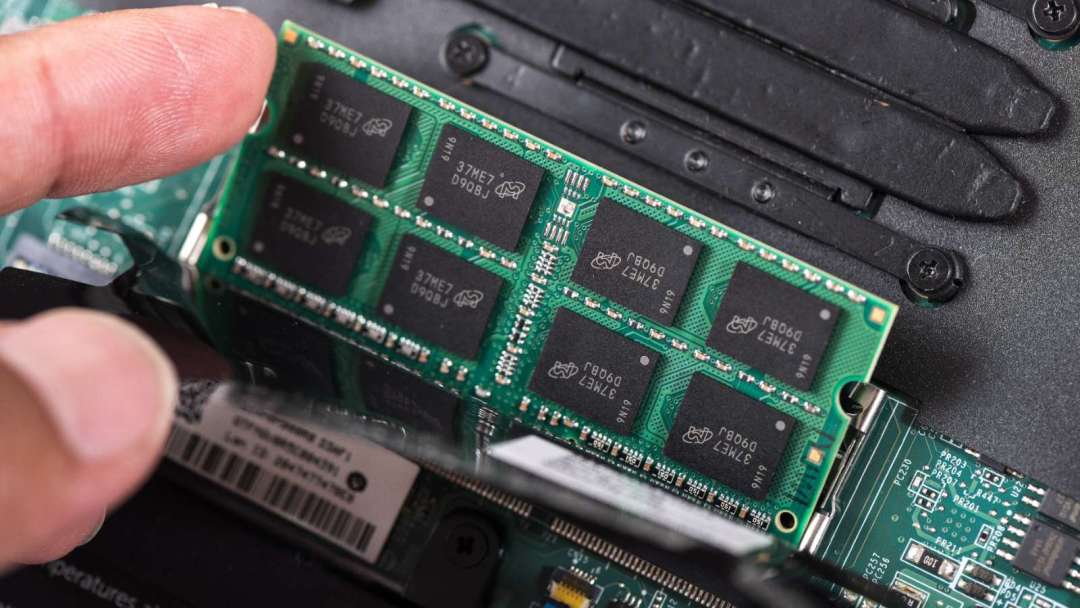
According to South Korea’s Chosun Ilbo, server DRAM spot prices have recently experienced dramatic fluctuations. The spot quotation for 64GB server DRAM (RDIMM) has surpassed $3,100, up approximately 146% from the June contract price of $1,380. Price movements in the spot market often signal upcoming adjustments in long-term contract pricing.
The immediate driver behind this price surge is the accelerated construction of AI data centers. Sovereign AI initiatives in countries like Saudi Arabia, combined with a new round of capital expenditure expansion by global hyperscale data center operators such as Alphabet, Meta, Microsoft, and Amazon AWS, are pushing up demand for server DRAM.
A report from Meritz Securities indicates that spot prices have entered a steep upward trajectory since mid-July. Testing demands from new AI data centers have even led to supply shortages for sample memory modules used in prototyping.
From a market structure perspective, server DRAM is typically traded through long-term contracts. The spot market essentially serves as an 'emergency channel'—only customers in urgent need of replenishment purchase at a premium.
The significant premium of spot prices over contract prices indicates that the actual progress of AI infrastructure construction has already exceeded supply plans secured through contracts.
Meritz Securities draws a parallel between the current market rhythm and January of this year: at that time, emergency orders for AI servers first pulled up spot prices, which then transmitted to contract price increases in February.
This trend holds direct earnings implications for Samsung Electronics and SK Hynix. While HBM is the most profitable product, its production capacity is limited. In contrast, server DRAM represents the core revenue source for both companies' memory businesses.
If the strength in spot prices ultimately translates into higher contract prices, it will directly improve the overall average selling price, thereby expanding revenue and profit margins. Historical price transmission patterns show that spot prices lead contract prices by approximately 4 to 6 weeks.
Traditionally, the spot market serves to fill short-term gaps, with premiums typically maintained between 10% and 20%. A 146% price differential signifies a supply-demand gap so large that it cannot be bridged through normal channels. Customers are now willing to pay over twice the price to secure chip supply—a pricing condition that clearly exhibits crisis characteristics.
FACT BOX
- Source: PR Times
- Category: News
- Organizations: Alphabet / Meta / Meritz Securities
- Products / services: RDIMM / HBM