Yemen's Houthi armed group claimed on Saturday (25th) to have launched a missile attack on Saudi Arabia, adding another front to the already unstable Middle East situation amid U.S.-Iran tensions. At the same time, signs suggest that the United States' 13-day airstrike campaign against Iran may have temporarily paused.
According to Bloomberg, Saudi authorities issued emergency alerts around 6:10 a.m. local time for Jazan Province and Yanbu, urging residents to immediately seek shelter.
Shortly afterward, the government posted on the social platform X that "the danger has passed" and lifted the alert for Jazan Province.
The Yemen-based Houthi group announced via its main media channel on Telegram that it had launched an attack on the Saudi southern city of Jizan on Saturday. Jizan is located on the Red Sea coast and falls under Jazan Province.
Saudi state-owned oil company Aramco operates a refinery in Jizan, situated very close to the Yemeni border.
Meanwhile, the Saudi-led coalition conducted military operations on Friday (24th) against Houthi military targets in Hodeida, Yemen.
Hodeida is a key port in southern Yemen, from which the Houthis have launched numerous attacks on ships in recent years. The coalition stated that the operation was in response to Houthi attacks on commercial vessels over the past week.
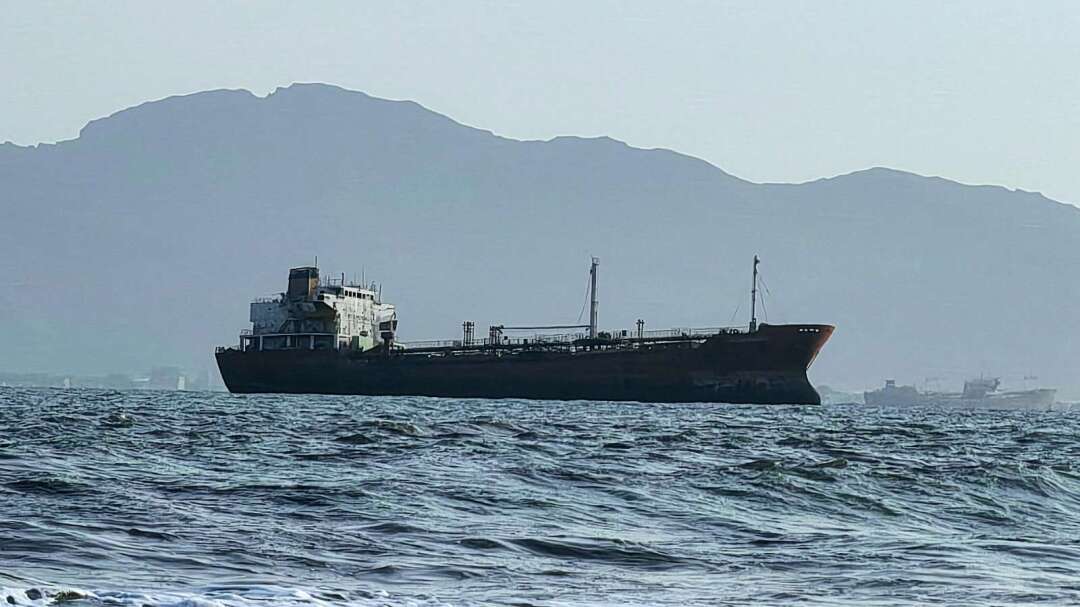
The Houthis had announced several days earlier that they would blockade Saudi Arabian ports and threatened to attack any vessels entering or leaving these ports. Shortly after, the group attacked two oil tankers linked to Saudi Arabia in the Red Sea, with at least one reportedly hit.
The Houthis stated that the blockade is in retaliation for Saudi Arabia's recent airstrikes on the Yemeni capital, Sanaa.
This escalation of conflict adds further pressure to an already tense regional energy transportation network. With U.S.-Iran hostilities continuing to rise, shipping through the Strait of Hormuz—through which about one-fifth of the world's crude oil passes—is nearly paralyzed.
If Saudi Arabia's crude export routes through the Red Sea remain disrupted, international oil prices could climb further. The country currently still exports millions of barrels of crude daily through the port of Yanbu.
Brent crude has surged approximately 27% over the past two weeks due to escalating U.S.-Iran tensions and the Houthis effectively opening a second front, closing Friday at $96.78 per barrel.
U.S. President Trump appears increasingly hardened in stance after Iran refused to reopen the Strait of Hormuz. On Friday, he stated that U.S. forces were "fully prepared" to launch a large-scale strike against Iran.
A few days earlier, he told Axios he was considering a "major attack," though he emphasized that he had not yet decided whether to actually order it.
At the White House Correspondents' Dinner, Trump said Iran "really wants to make a deal," but he believes "it's not the right time yet."
He added that negotiations are still ongoing among the warring parties, though he provided no further details, and it remains unclear whether he was referring to indirect talks mediated by key intermediaries like Pakistan and Qatar, or other forms of contact.
The U.S. military did not announce any airstrikes on Iran last night, suggesting that the near-daily military operations since around July 10 may have temporarily paused. Iranian officials and local media have also not reported any U.S. attacks, nor any retaliatory strikes by Iran on U.S. bases in Kuwait, Bahrain, and elsewhere.
The reason for the pause is unclear, and there are no signs that the U.S. has permanently ceased military operations—making a temporary ceasefire more likely.
The Houthis seized the Yemeni capital Sanaa in 2014 during the early stages of the Yemeni civil war and have since survived a roughly seven-year bombing campaign led by Saudi Arabia and the United Arab Emirates. They currently still control most of Yemen's densely populated areas.
Saudi Arabia and the Houthis reached a ceasefire agreement several years ago, but the truce has remained fragile. Tensions have risen again as the U.S. and Israel have launched military actions against Iran this year.
Iran is the Houthis' primary financial and military backer, but compared to other Tehran-backed proxy forces like Hezbollah in Lebanon, the Houthis maintain a higher degree of autonomy.
FACT BOX
- Source: PR Times
- Category: News