U.S. brain-computer interface (Brain-Computer Interface, BCI) startup Science Corp. has announced that its PRIMA retinal chip has received CE certification in the European Union, allowing it to be sold in 30 European countries. This makes PRIMA the world's first brain-computer interface device to receive European Conformity (CE) certification and marks the first time a U.S. BCI company has brought such a product to market at scale—signaling a major step forward in the commercialization of BCI technology.
Science Corp. stated that the PRIMA system officially launched in Europe this week. It is currently the world's first and only treatment clinically proven to restore central vision in patients suffering from 'geographic atrophy (GA)' caused by age-related macular degeneration (AMD).
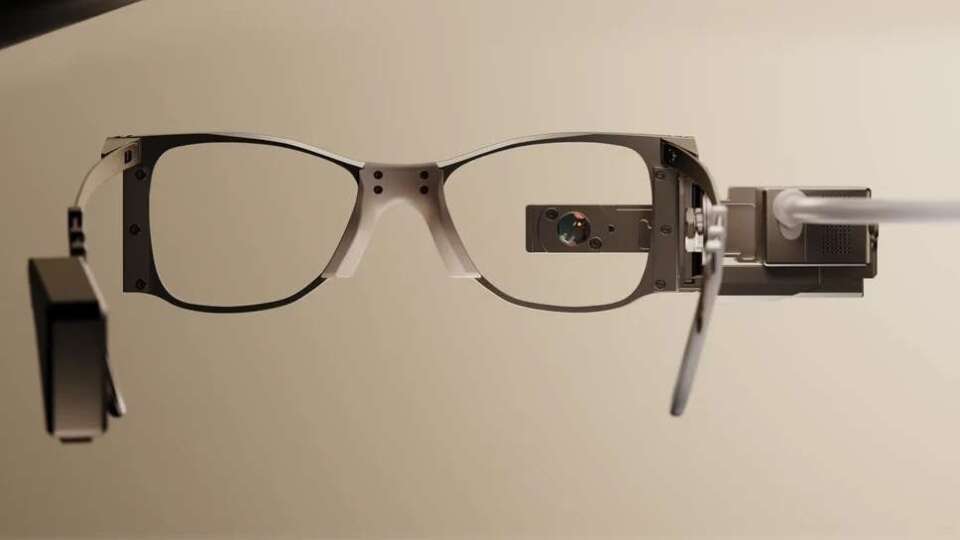
PRIMA is a subretinal photovoltaic implant that must be used in conjunction with specialized smart glasses. The glasses project near-infrared light onto the implanted chip, which converts it into electrical stimulation signals that directly activate retinal cells, helping patients regain partial visual function. The system also enhances reading ability through magnification. The entire system features an ultra-thin design and wireless integration, eliminating the need for external wires.
The company noted that PRIMA has received the CE mark from DEKRA, a certification body under the EU Medical Device Regulation (MDR), allowing it to be officially sold in 30 European countries. This is the first brain-computer interface medical device globally to achieve CE certification.
Citing a clinical study published in The New England Journal of Medicine (NEJM), Science Corp. reported that among 38 patients implanted with PRIMA, 84% successfully regained functional central vision, enabling them to recognize letters, numbers, and words. After 12 months of treatment, 80% of patients showed significant improvement in prosthetic vision, with no adverse impact on their natural vision.
Age-related macular degeneration is one of the leading causes of vision loss among the elderly worldwide. Geographic atrophy progressively destroys central photoreceptors in the macula, gradually impairing central vision needed for reading and facial recognition. Science Corp. estimates that over 5 million people globally are affected by GA. While medications exist to slow disease progression, no cure is currently available.
The company stated that PRIMA's market launch will end years of having no effective treatment options. It aims to make the therapy accessible to patients as quickly as possible and is working to have it included in national healthcare reimbursement systems to reduce patient burden.
Max Hodak, CEO of Science Corp., said he hopes PRIMA is just the beginning of a series of commercialized products, with more neurotechnology offerings to follow, advancing the development of BCI technology.
Hodak revealed that the company is currently negotiating reimbursement schemes with multiple European countries, with the first commercial patient potentially receiving PRIMA implant surgery as early as August this year, likely in Germany. The company plans to complete dozens of implants this year and expand to approximately 200 cases next year.
In addition to the European market, Science Corp. is collaborating with the U.S. Food and Drug Administration (FDA) to bring PRIMA to the U.S. market. PRIMA has already received FDA Breakthrough Device and Humanitarian Device designations, which are expected to accelerate the regulatory review process.
Beyond the retinal implant system, the company is also developing a new type of brain implant that uses engineered neurons to connect with brain tissue, along with other neural interface technologies, continuously expanding its BCI product portfolio.
According to company data, Science Corp. reached a valuation of $1.5 billion in March this year, making it the second-highest-valued BCI company in the U.S., behind only Neuralink, founded by Elon Musk. Notably, CEO Hodak is also a co-founder of Neuralink and formerly served as its president. The global BCI industry is currently attracting billions of dollars in investment and support from prominent tech billionaires, with broad expectations for applications in medical rehabilitation, neurological disease treatment, and human-machine interaction.
FACT BOX
- Source: PR Times
- Category: New Product
- Organizations: Neuralink