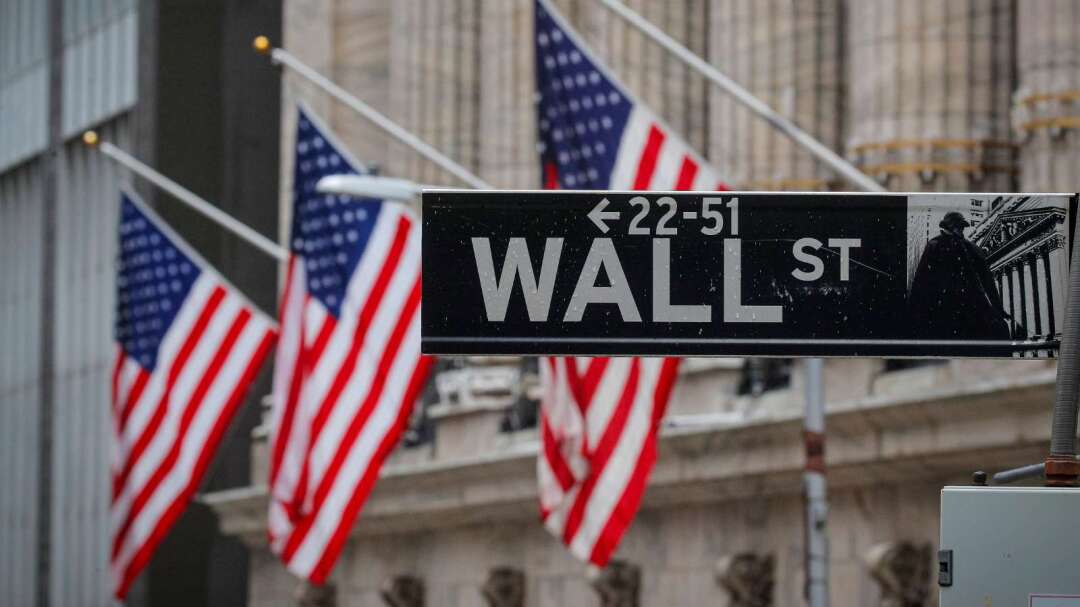
JPMorgan Chase has stated that its internal market indicator is currently issuing a 'buy' signal, which, based on past experience, typically means that the S&P 500 index is expected to rise.
The global market intelligence team at JPMorgan, led by Andrew Tyler, noted that the bank's 'Tactical Position Monitoring Indicator' shows that the S&P 500 index has 'significant upside potential.' While semiconductor stocks are overcrowded and the aftermath of the U.S.-Iran conflict remains a risk, the team remains optimistic about the short-term outlook for U.S. stocks.
JPMorgan expects a decline in U.S. Treasury yields, a weakening dollar, and strong corporate earnings to collectively support U.S. stocks. Tyler noted that these positive factors are primarily driven by a de-escalation of military conflicts in the Middle East and market expectations that the Federal Reserve (Fed) will maintain interest rates unchanged following its Wednesday meeting.
However, U.S. stocks still fell slightly on Monday, even as the U.S.-Iran conflict temporarily cooled and international oil prices fell in tandem. Investors did not immediately rush back into risky assets.
Tyler also warned that technology stocks are still putting some pressure on the broader market. As tech giants continue to increase their spending on artificial intelligence (AI), increased capital expenditures are no longer a guarantee that semiconductor manufacturers and AI infrastructure suppliers' stock prices will rise. Investors are starting to scrutinize more carefully whether companies' massive investments can translate into actual revenue and profits.
In contrast, U.S. consumer spending still shows economic resilience. Tyler pointed out that increases in U.S. household net worth and checking account balances, strong retail sales, and limited signs of credit stress all reflect that consumers' financial situation remains relatively healthy.
Overall, JPMorgan believes that as long as the situation in the Middle East continues to de-escalate, the Fed remains on hold, and corporate earnings do not deteriorate significantly, U.S. stocks still have conditions for further short-term gains. However, the overconcentration of semiconductor stock positions and the questioning of AI investment benefits could exacerbate market volatility.
FACT BOX
- Source: PR Times
- Category: Survey