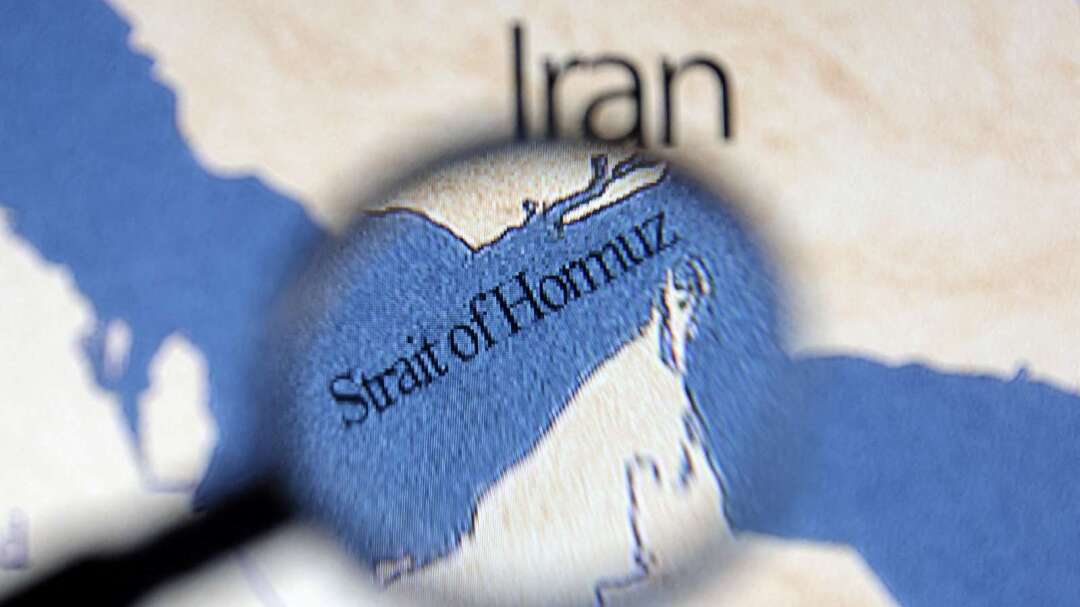
Foreign media reported on Monday (27th), citing informed sources, that Iran and Oman are continuing negotiations to reach an agreement on reopening shipping through the Strait of Hormuz. If the talks achieve a breakthrough, it could create conditions for Iran and the United States to restart ceasefire negotiations, but the presence of potential Iranian-laid mines in the strait, along with concerns over navigation safety and control authority, remain major obstacles.
Sources indicated that Iranian and Omani officials, following their meeting in Tehran over the weekend, have continued consultations. One proposed solution is the reopening of the central shipping lane in the Strait of Hormuz. Since the outbreak of hostilities in late February, most vessels have avoided this route, opting instead for the northern lane near the Iranian coast or the southern lane adjacent to Oman’s Musandam exclave.
Omani negotiators remain optimistic about the outcome, hoping to announce progress in the coming days, though they cannot guarantee an agreement will be reached. U.S. President Trump, in an interview with Axios on Monday, said 'in-depth negotiations' are underway but did not specify whether they were focused solely on the Strait of Hormuz issue.
According to Axios, the talks are primarily led by Iran and Oman, with involvement from Qatar, Pakistan, Egypt, and U.S. envoys Vikof and Kushner.
Sources noted that Iranian-laid mines may exist in the central channel, meaning minesweeping operations may be required before normal vessel passage can resume. The UK, France, and other European nations have expressed willingness to lead minesweeping efforts once safety conditions permit. U.S. Defense Secretary Hegseth is also urging British officials to convene a summit soon to discuss how to protect shipping in the Strait of Hormuz.
The shipping issue in the Strait of Hormuz has become the biggest obstacle to U.S.-Iran peace negotiations. The two sides signed a temporary agreement in mid-June aimed at launching talks on Iran’s nuclear program and permanently halting hostilities, but that agreement collapsed about three weeks ago. Iran attacked oil tankers transiting the strait and asserted that vessels must obtain prior approval from Tehran. The U.S. responded with daily airstrikes on Iranian territory.
The U.S. and Iran have paused mutual attacks since last Friday, with Trump stating he wants to give diplomacy a chance. However, almost no vessels are currently transiting the Strait of Hormuz with their tracking systems activated, and disrupted shipping continues to push up crude oil and liquefied natural gas prices.
Since the war began, Iran has claimed authority over the Strait of Hormuz and surrounding waters, a stance opposed by the U.S. and its allies. Tehran is now seeking to persuade Oman to agree on a joint management system, which could include charging fees for transiting vessels. Whether consensus can be reached on control rights, fee arrangements, and security guarantees will determine when the strait truly reopens and whether the U.S. and Iran can return to the negotiating table.
FACT BOX
- Source: PR Times
- Category: News