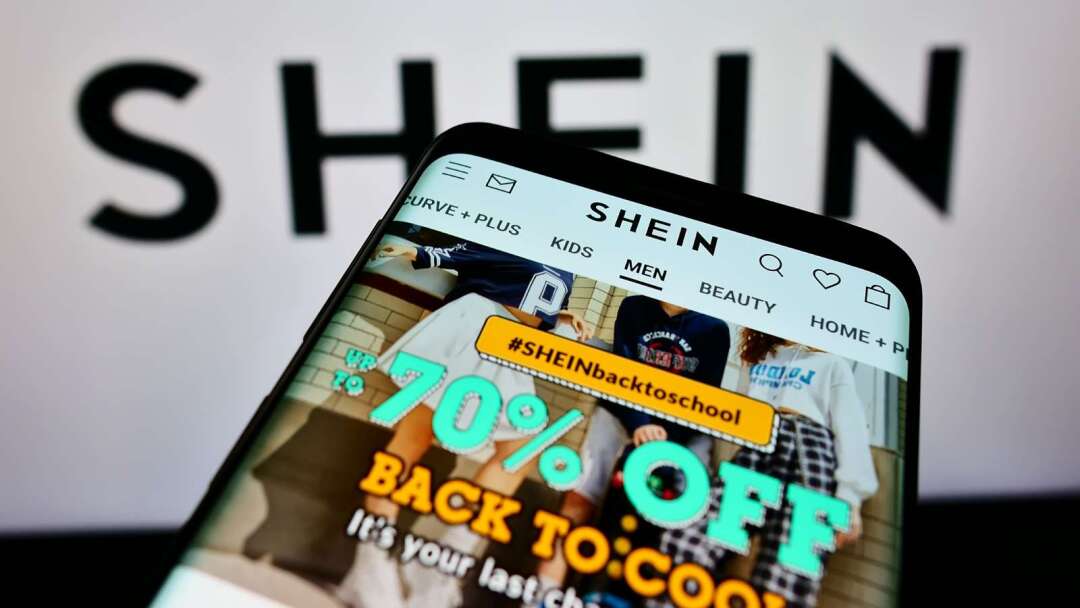
Fast-fashion e-commerce giant Shein is actively preparing for a stock market listing in Hong Kong, with its initial public offering (IPO) expected as early as late August to early September. However, according to recently disclosed prospectuses and financial documents, this low-cost retail leader is grappling with the U.S.-China trade war and global regulatory pressures, facing severe challenges to its profitability.
The prospectus shows that Shein's revenue increased to $41.8 billion in 2025, up from $38.7 billion in 2024, reflecting resilience in its sales operations despite a challenging consumer environment. However, its net profit for 2025 reached only $2.064 billion, a sharp 38.7% decline from the previous year. In 2026, the situation worsened further, with the company recording a $99 million loss in the first quarter, compared to a $395 million profit in the same period the previous year.
Shein attributes the first-quarter loss primarily to trade policies under the U.S. Trump administration. In May 2025, the U.S. eliminated the 'de minimis' exemption for low-value imports from China, causing Shein's product tariffs in the U.S. to surge from 0%–62.5% to 10%–87.5%. This policy directly led to a 14.3% year-on-year decline in revenue in its largest market—the U.S.—which fell to $2.04 billion in the first quarter.
To offset the increased tax costs, Shein has adopted a 'cost-plus' pricing strategy, passing most of the additional costs on to U.S. consumers.
Beyond the U.S. market, the European Union has also started charging a €3 fee on low-value e-commerce imports this month to counter competition from Chinese sellers. Additionally, while the U.S.-Iran conflict has not significantly impacted overall operations, it has affected consumer demand in the Middle East and disrupted shipping routes through the Strait of Hormuz.
In addition to financial pressures, Shein continues to face criticism regarding factory labor conditions, app addictiveness, and the environmental impact of air freight. Although the company emphasizes a zero-tolerance policy toward labor abuse and investments in risk management, these ESG (Environmental, Social, and Governance) controversies remain variables in its path to going public.
FACT BOX
- Source: PR Times
- Category: News