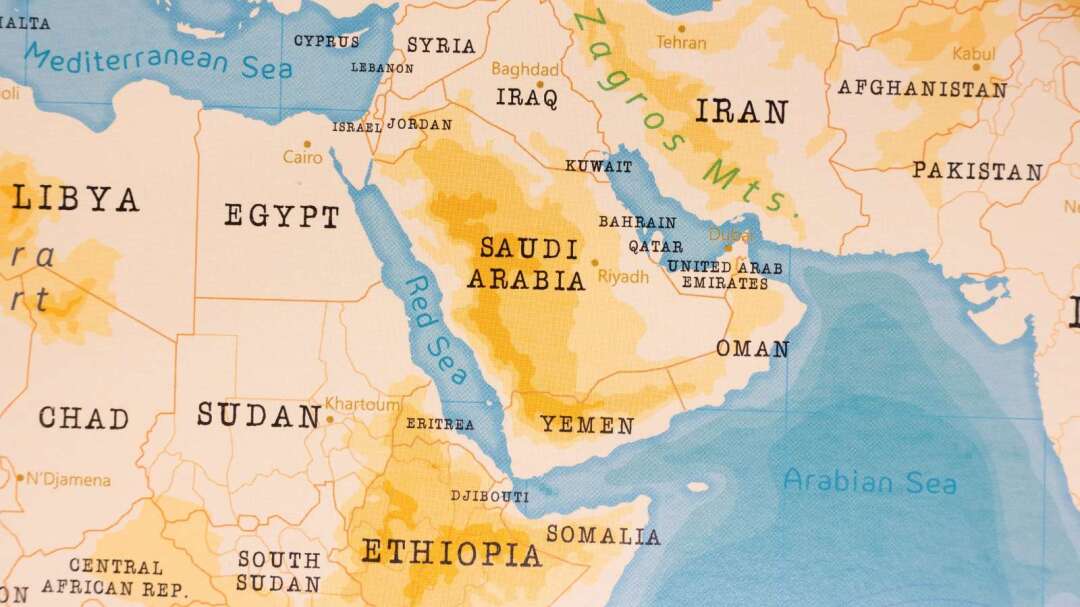
Although the U.S. and Iran have maintained a ceasefire in recent days, missile and drone activity in the Middle East has not fully ceased. Images from the European Space Agency's 'Sentinel-2' Earth observation satellite show thick black smoke rising from several key energy facilities in Saudi Arabia over the weekend and into this week.
Satellite images captured on Monday the 27th indicate that Saudi Aramco's Abqaiq oil processing facility may have been attacked. This facility is the world's largest oil stabilization plant, with a daily processing capacity of approximately 7 million barrels.
More importantly, the Abqaiq facility sits at the starting point of Saudi Arabia's east-west pipeline, which provides a critical alternative route for transporting crude oil to the Red Sea, bypassing the Strait of Hormuz. The site was previously attacked by Yemeni Houthi rebels in 2019, halving Saudi Arabia's oil production.
In addition to the Abqaiq plant, black smoke was also observed rising from the Hawiyah natural gas field in Saudi Arabia on Monday.
Over the weekend, the Sentinel-2 satellite captured images of a fire at an oil storage tank at a refinery in Jizan, a Red Sea port city in Saudi Arabia.
Saudi Arabia's Ministry of Defense stated on Monday that it intercepted several drones launched by Iran-aligned groups from within Iraq. The Houthis also claimed responsibility for attacks on Saudi oil facilities.
Houthi spokesperson Yahya stated that the operation was in response to Saudi drones violating Yemeni airspace.
Last week, the Houthis joined the current Middle East conflict, announcing a shipping blockade on Saudi ports along the Red Sea. In response, Saudi Arabia conducted airstrikes, targeting Houthi military installations in the port of Hodeidah, Yemen, and vowing to protect maritime security.
FACT BOX
- Source: PR Times
- Category: News
- Organizations: Saudi Aramco