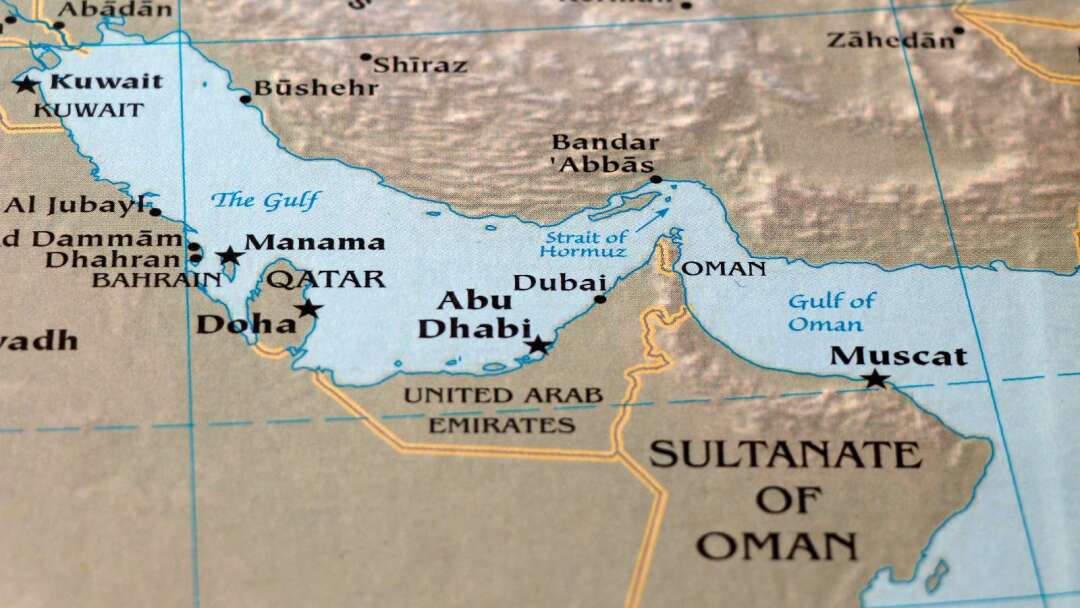
As negotiations continue for the reopening of the Strait of Hormuz, Iran has put forward a temporary navigation arrangement that strongly emphasizes its own authority.
On Tuesday (28th), U.S. Eastern Time, media reports revealed that Iran has submitted a temporary navigation proposal for the Strait of Hormuz through Oman. The proposal explicitly rejects Oman’s suggestion to 'split the shipping lanes' between the two countries and announces that Iran will no longer recognize the internationally recognized Traffic Separation Scheme (TSS), which has been in place for decades.
Under this plan, all inbound vessels must transit through Iranian waters, while some outbound shipping routes will also be adjusted into Iranian waters, enhancing Iran’s direct control over maritime traffic in the strait.
This proposal not only suggests a major shift in navigation rules for the Strait of Hormuz but also indicates Iran’s intent to reshape the structure of this critical global energy corridor as it seeks to reassert control in the post-conflict maritime environment.
According to Reuters, Oman had previously suggested that after the resumption of navigation, Iran and Oman would each manage one direction of the two-way shipping lanes, maintaining a degree of the existing joint management model of the Strait of Hormuz.
However, Iranian Deputy Foreign Minister Ali Bagheri confirmed that Tehran has formally rejected this proposal.
In addition to navigation arrangements, Iran has also drawn a new red line regarding future mine clearance operations in the Strait of Hormuz.
Bagheri stated that Iran will not allow any third country to participate in mine clearance in the strait, even if invited by Oman.
He emphasized that the security of the Strait of Hormuz should be maintained by the littoral states themselves, and that foreign military involvement would only complicate the situation in the Middle East.
This statement signals that even if the international community pushes for joint mine clearance and the restoration of commercial shipping, Iran intends to firmly retain control over security matters in the strait.
At the time of this report, the Strait of Hormuz has not yet returned to its pre-war normal navigation status. Due to the outbreak of conflict, the internationally recognized TSS has become unusable. Currently, vessels are relying on temporary routes separately established by Iran and Oman, and intensive consultations are ongoing to restore commercial shipping.
FACT BOX
- Source: PR Times
- Category: News