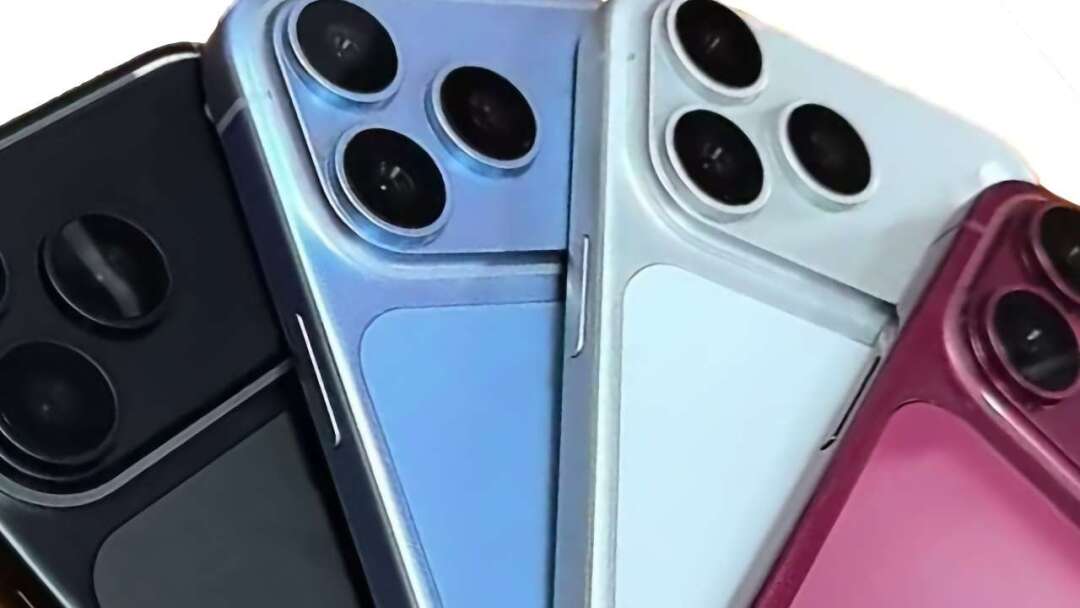
According to a report by Marketwatch, Apple (AAPL-US) is changing the way it sells hardware products in the United States. Apple has announced a partnership with Klarna (KLAR-US), a buy now, pay later company, to launch Apple Upgrade. This service allows consumers to obtain the right to use devices by paying on a monthly basis. At the end of the contract period, consumers can choose to upgrade to a new model, purchase the original product, or return the device to Apple.
This plan covers iPhones, iPads, Macs, and Apple Watches, with the minimum monthly rental fee for iPhones being $17.99. iPhones and Apple Watches offer 12-month and 24-month rental periods, while iPads and Macs can choose between 24-month or 36-month periods.
The main difference between Apple Upgrade and traditional installment payments is that consumers are paying for the use of the device, not gradually acquiring ownership of the product. Apple will also gradually stop the existing iPhone Payments and iPhone Upgrade Program in the United States, replacing them with the new plan. However, Apple Upgrade does not include AppleCare insurance.
As the new plan is launched, the market is focusing on the rising prices of Apple's hardware. Apple recently raised the prices of some MacBooks and iPads, citing a shortage of memory chips and increased hardware costs. Wall Street also expects Apple to follow suit with a price increase when it announces the new generation of iPhones this fall.
By lowering the monthly payment amount, the rental model is expected to ease the burden on consumers facing high selling prices.
Ivan Feinseth, the investment manager and research director of Tigress Financial Partners, pointed out that converting a one-time purchase cost of $1,200 into a monthly rental fee of approximately $40 may attract consumers who intend to change their phones but are unwilling to pay a large sum at once, thereby bringing additional demand to Apple.
For Apple, the rental model not only helps lower the barrier to purchasing for consumers but also transfers the credit risk to Klarna. Since the contract will expire in 12 to 36 months, Apple can also more accurately grasp the time when customers may change their phones and provide upgrade options at the end of the contract.
Additionally, devices returned at the end of the rental period are expected to enter Apple's certified refurbished product and trade-in system. Compared to the past when telecom operators and third-party dealers dominated part of the used iPhone business, the rental plan may allow Apple to obtain more sources of used devices and subsequent sales opportunities.
Klarna, on the other hand, can obtain a larger and more sustainable financing business through its partnership with Apple. However, this type of contract lasts more than a year, which is clearly different from Klarna's traditional model of dividing payments into four installments and paying them off within six weeks. Feinseth pointed out that as the financing period is extended and the amount increases, it may also increase the risk of customers being unable to repay.
This collaboration also brings operational challenges to Apple. As contracts gradually expire, Apple must establish large-scale processes for recovering, inspecting, and repairing devices. Since the plan does not include AppleCare, there may be disputes over cost recognition between consumers and Apple if the device is damaged or excessively worn.
The regulatory environment is another variable. Feinseth stated that the U.S. Consumer Financial Protection Bureau, state governments, and other regional regulatory agencies are strengthening their oversight of buy now, pay later and rental businesses, which may increase compliance costs and information disclosure requirements.
For consumers, whether Apple Upgrade is cost-effective mainly depends on the frequency of phone changes.
Joon Um, a certified financial planner at Secure Tax & Account, stated that if consumers replace their devices every one to two years, renting may be attractive; if they are accustomed to using their phones or computers for many years, direct purchase is usually more cost-effective.
Consumers should also note that they will not obtain ownership of the device during the rental period, and early termination of the contract may result in high fees. If the product is lost, stolen, or the condition at the time of return does not meet the contract requirements, additional fees may also be charged.
Um suggested that when evaluating such plans, one should not only compare the monthly payment amount but also calculate the total rental period expenditure, purchase price, insurance, and possible damage or termination fees to determine whether renting is more suitable for their needs than direct purchase.
FACT BOX
- Source: PR Times
- Category: Partnership
- Organizations: Klarna
- Products / services: Apple Upgrade / iPhone