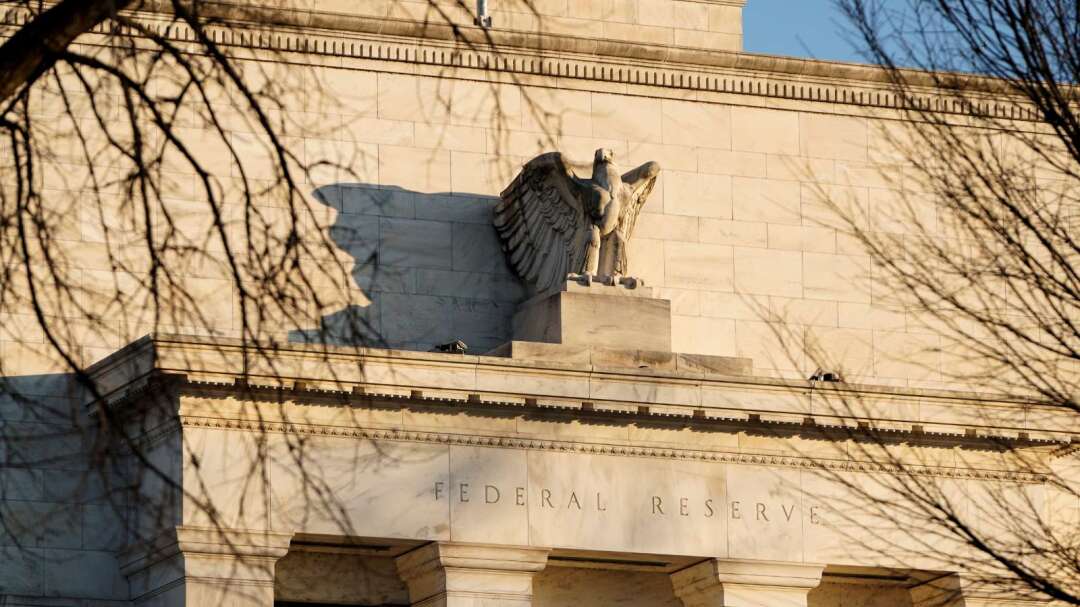
The Federal Reserve (Fed) announced its latest interest rate decision at 2 AM Taiwan time on Thursday (30th), maintaining rates as expected by the market. However, three decision-making officials advocated for a 1-code (25 basis points) rate hike, highlighting the growing internal divide over inflation risks and putting newly appointed Fed Chairman Kevin Warsh under early scrutiny.
The Federal Open Market Committee (FOMC) passed the rate decision with a 9-3 vote, maintaining the federal funds rate target range at 3.5% to 3.75%, marking the fifth consecutive time rates have been held steady. Dallas Fed President Lorie Logan, Cleveland Fed President Beth Hammack, and Minneapolis Fed President Neel Kashkari voted against, advocating for a 1-code rate hike.
The Fed's post-meeting statement was nearly identical to the June version, reaffirming the committee's commitment to achieving price stability and noting that U.S. economic activity is expanding at a 'steady pace' amid high uncertainty, partly due to Middle East conflicts. The statement also pointed out that capital investment and productivity growth are robust, employment growth is in line with labor force growth, and unemployment rates have seen little change.
The Fed also noted that inflation remains above the 2% target, partly reflecting supply shocks pushing up prices in specific areas like energy. After the decision was announced, U.S. stocks continued to fall. As of the deadline, the Dow Jones Industrial Average plummeted over 700 points or 1.4%, the S&P 500 Index fell 0.3%, and the Nasdaq Composite Index was nearly flat.
Market concerns about the Fed's hawkish turn have risen. According to the CME FedWatch tool, traders are betting that the probability of a September rate hike has risen to 72%, while the yield on U.S. 2-year Treasury bonds has fallen.
Inflation Risks Rise, 3 Officials Call for Rate Hike
The Fed's preferred inflation gauge has recently accelerated again, rising 3.4% year-over-year as of May. Although consumer prices fell for the first time in six years in June due to a drop in gasoline prices, and producer prices rose less than expected, temporarily reducing the urgency for the Fed to raise rates this week, decision-making officials still face rising price pressures.
The Iran conflict escalated again, briefly pushing Brent crude oil above $100 per barrel. Although it has since fallen, it hovered around $90 on Wednesday. Middle East conflicts, a new round of tariffs from the Trump administration, and demand growth driven by the AI frenzy have all deepened market concerns that inflation may remain high for the long term.
Logan had earlier this month publicly stated that interest rates need to 'rise moderately'; Hammack also believes that inflation is a more concerning issue than employment. Fed Governor Christopher Waller has similarly warned that if prices do not make more progress, a rate hike may be necessary, but he still supported maintaining rates this time. The Fed's June interest rate forecast showed that there could be a rate hike by the end of the year.
Warsh Diminishes Forward Guidance, September Policy Still Variable
This time, the three dissenting votes show that if inflation pressures continue to rise, it will become increasingly difficult for Warsh to maintain rates unchanged. Some economists even predicted before the meeting that Warsh might surprisingly support a rate hike, with federal funds futures once reflecting a probability of up to 40%.
The market currently widely expects the Fed to possibly raise rates in September. As Trump continues to demand lower rates, if the Fed takes rate hike action closer to the November midterm elections, it may face stronger political backlash. Warsh emphasized that monetary policy decisions will remain independent and not influenced by political factors.
Keywords:
FACT BOX
- Source: PR Times
- Category: News