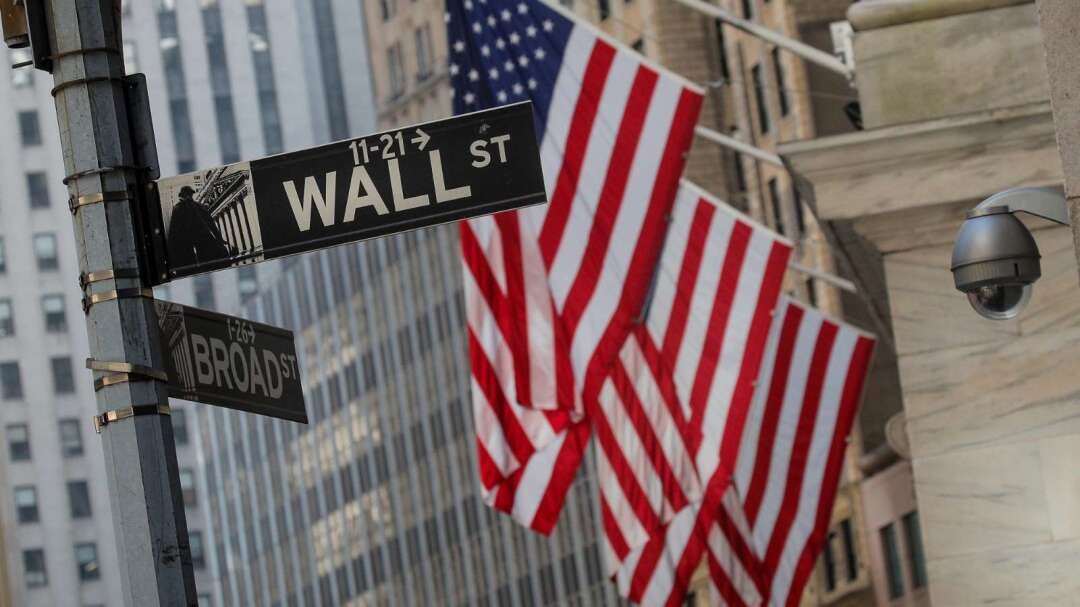
The U.S. Federal Reserve (Fed) announced on Thursday (30th) at dawn Taiwan time that it would maintain interest rates unchanged, with the Federal Open Market Committee (FOMC) voting 9 to 3 to keep the federal funds rate target range at 3.5% to 3.75%. Wall Street analysts generally believe that recent disinflation has given the Fed room to remain patient. However, the three votes in favor of a 25-basis-point rate hike reflect heightened vigilance among policymakers regarding inflation risks, adding uncertainty to the September meeting.
Following the decision, the yield on the U.S. 10-year Treasury note initially declined but later reversed, rising 3.9 basis points to 4.643%. Market attention has shifted to Fed Chair Powell's press conference and the latest inflation data released on Thursday.
Holding Rates Praised: Rate Hikes May Not Solve Supply Shocks
Tom Porcelli, Chief Economist at Wells Fargo, believes the Fed made the right decision to hold rates steady. Current inflation is primarily driven by supply-side and external shocks, which monetary policy can only partially control. Therefore, maintaining patience is not only reasonable but also a more prudent approach.
Porcelli expects the Fed may remain on hold for the rest of the year, though the final decision depends on inflation trends. If price pressures reaccelerate, the Fed could reopen the door to rate hikes. If inflation remains flat or improves moderately as it did last month, the central bank will have room to continue observing. This means markets will scrutinize each upcoming inflation report to anticipate the Fed's next move.
Christopher Hodge, Natixis' U.S. Chief Economist, also supports pausing rate hikes, arguing that recent inflation and labor market data have given the Fed breathing room. Without clear data triggers, waiting until at least September to decide is reasonable. Raising rates now could send an overly hawkish signal, making it harder for markets to understand the Fed's policy reaction mechanism.
Brian Jacobsen, Chief Economist at Annex Wealth Management, stated bluntly that hiking rates in response to supply-driven inflation is unwise. Tariff shocks in 2025 or oil price shocks in 2026 do not necessarily require an immediate Fed response. Sacrificing a healthy labor market won't extinguish Middle East conflicts or repeal tariffs.
Three Dissenting Votes Add Uncertainty: September Outcome Hinges on Data
Matthias Scheiber, Head of Multi-Asset at Allspring Global Investments, noted that the Fed still faces a difficult balancing act between curbing inflation and supporting economic activity. Recent inflation data in transportation and communication services came in below expectations, suggesting underlying price pressures may gradually ease. The Fed might also view short-term supply shocks as temporary.
However, inflation remains above the 2% target, and supply-side risks have not disappeared. The three officials advocating for a rate hike reflect continued high vigilance within the policymaking circle. Scheiber believes that as the Fed reduces forward guidance, investors will increasingly rely on economic data to infer the central bank's response.
JP Powers, CIO at RWA Wealth Partners, said uncertainty at each meeting is higher than the last, and September could become a peak of policy pressure. However, the Fed will wait for several inflation reports before deciding. Peter Cardillo, Chief Market Economist at Spartan Capital Securities, believes the Fed will continue to issue strong anti-inflation rhetoric, but if prices don't reheat due to energy market changes, the Fed may still refrain from hiking this year.
Mark Hackett, Chief Market Strategist at Nationwide Investment Management Group, suggested the three dissenting votes may reflect greater independence among Fed policymakers, with less effort to maintain a unified front internally. However, he cautioned against drawing conclusions about future policy direction before Chair Powell's press conference.
FACT BOX
- Source: PR Times
- Category: News
- Organizations: Natixis / Annex Wealth Management / Allspring Global Investments