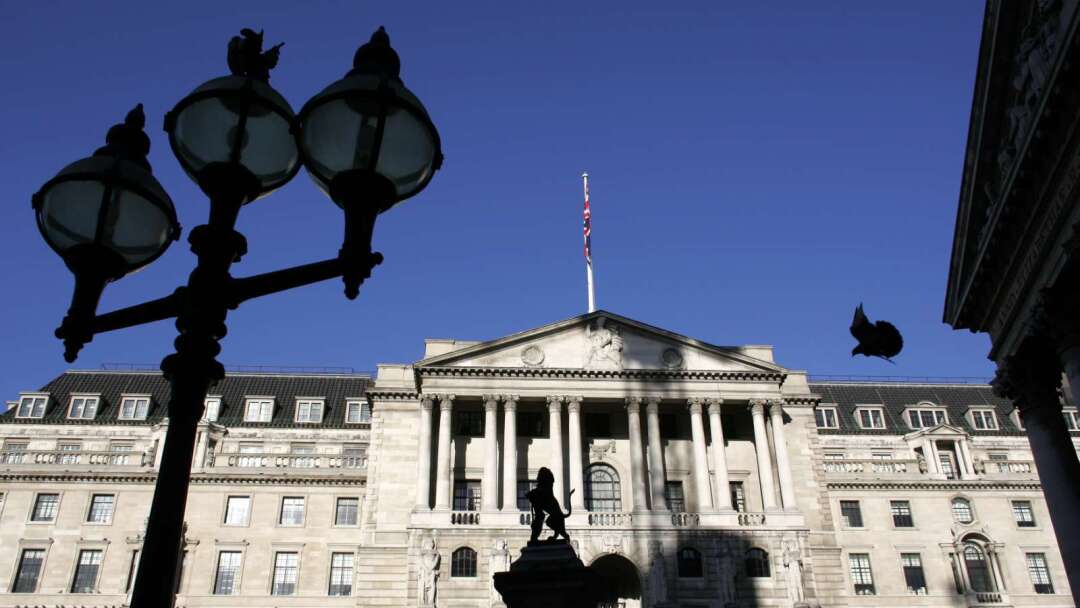
The Bank of England (BoE) announced on Thursday (30th) that it would maintain its benchmark interest rate at 3.75%, in line with market expectations. However, the Monetary Policy Committee (MPC) passed the decision by a 6-to-3 vote, with one additional policymaker supporting a rate hike compared to the previous meeting. The unexpectedly strong hawkish shift reflects heightened uncertainty over UK inflation prospects amid escalating U.S.-Iran tensions and volatile energy prices.
According to meeting minutes, Chief Economist Huw Pill, external members Megan Greene and Catherine Mann advocated for a 25-basis-point rate hike to 4%. Notably, Mann is the newest addition to the hiking camp. Most economists surveyed by Reuters had expected the vote to remain at the previous 7-to-2 split.
The BoE maintained its policy guidance of being "ready to act as necessary" to prevent high inflation from becoming entrenched. However, the majority of officials believe domestic inflationary pressures have clearly eased, and there is currently almost no evidence that the energy shock has spread to wage demands or other goods prices—making a hold appropriate at this stage.
Escalating U.S.-Iran Conflict Raises Inflation Risks
BoE Governor Andrew Bailey stated that the global situation has become more uncertain and inflationary, but the domestic UK environment remains relatively benign for inflation outlooks, making a rate hold the appropriate decision. He acknowledged that while there is currently no clear sign of second-round inflation effects, it is too early to be complacent.
Mann cited the collapse of the initial U.S.-Iran ceasefire arrangement and the expansion of conflict this month as her primary reasons for supporting a rate hike. Officials favoring higher rates argue that UK inflation has exceeded the central bank’s 2% target for nearly five years, increasing the risk that higher energy costs could feed into wages and other prices.
The BoE has resumed publishing a single baseline inflation forecast, along with mild and adverse scenarios. The baseline forecast shows UK inflation rising from 2.6% in June to 3.2% by the end of this year, then gradually declining. In an adverse scenario where oil prices exceed $100 per barrel and remain elevated, and natural gas prices rise by 60%, inflation could peak at 4.5% in Q2 2027. If the Middle East conflict ends sooner, the inflation peak would be around 3%.
Domestic Pressure Easing Supports Wait-and-See Stance
Despite energy price threats, weak economic growth, slowing wage growth, and tightening financial conditions give the BoE more room to wait. UK job vacancies and private-sector wage growth have both fallen to their lowest levels since the pandemic, helping reduce the likelihood that energy shocks will translate into persistent inflation.
Deputy Governor Dave Ramsden and external member Alan Taylor even stated that if the U.S.-Iran conflict ends quickly and the disinflation trend continues, they would not rule out reconsidering rate cuts. Other officials supporting a hold are closer to a hiking stance, revealing clear internal divisions over the next policy move.
After the rate decision, traders reduced their bets on a BoE rate hike. The yield on policy-sensitive 2-year UK gilts fell 8 basis points to 4.37%. Markets now expect approximately 35 basis points of cumulative rate hikes by year-end.
Ahead of its September decision on the next year’s quantitative tightening (QT) pace, the BoE noted that balance sheet reduction since 2022 has contributed to a 20- to 30-basis-point increase in 10-year UK gilt yields—modest but slightly higher than last year’s estimate. Markets widely expect the central bank to reduce its annual government bond sales from £70 billion to £50 billion.
FACT BOX
- Source: PR Times
- Category: News