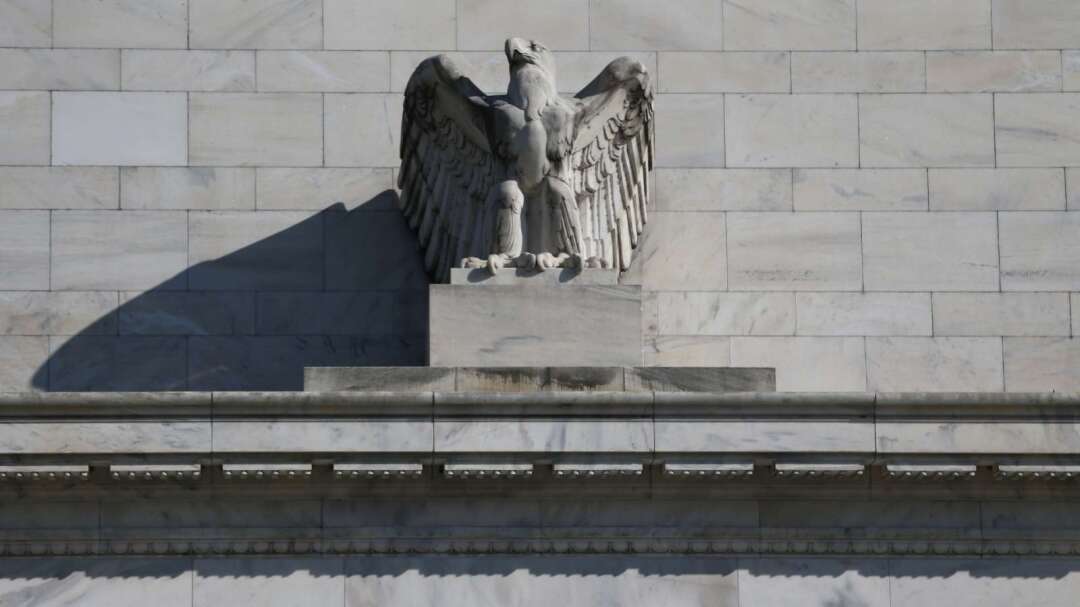
Three Federal Reserve officials who opposed the Federal Reserve's (Fed) decision to hold interest rates steady this week said on Friday (31st) that rate hikes should be implemented now to prevent inflation from worsening further, emphasizing that early, modest policy adjustments can avoid the need for more aggressive tightening later.
Beth Hammack, President of the Federal Reserve Bank of Cleveland, stated in a declaration that the Federal Open Market Committee (FOMC) should act now to accelerate the return of the Personal Consumption Expenditures (PCE) price index to its 2% target and fulfill its commitment to price stability. She warned that the longer inflation remains elevated, the more difficult and costly it will be to bring it down in the future.
Neel Kashkari, President of the Federal Reserve Bank of Minneapolis, also believes that implementing a series of small rate hikes at this stage is preferable to continuing to wait and eventually being forced to take more drastic action.
Kashkari and Hammack joined Lorie Logan, President of the Federal Reserve Bank of Dallas, this week in opposing the decision to hold rates steady. The other nine voting members of the FOMC supported maintaining the status quo, keeping the federal funds rate target range at 3.5% to 3.75%. After three consecutive rate cuts in the second half of 2025, the Fed has not adjusted interest rates so far this year.
U.S. inflation has exceeded the Fed's 2% target for over five years and has heated up again this year due to the U.S.-Iran war and tariff policies under the Trump administration. Although tensions in the Middle East briefly eased, leading to a slowdown in price increases in June, energy prices have risen again, and markets fear the Fed may ultimately have to tighten monetary policy.
Kevin Warsh, Chair of the Federal Reserve, voted in favor of holding rates steady but emphasized that his determination to bring inflation back to target remains unchanged. He stated that the problem of inflation exceeding the target for over five years cannot be resolved in just nine weeks or by a single month of slightly lower prices.
Hammack frankly stated that she lacks confidence inflation will fall back to target on its own. In addition to supply-side factors like energy prices, demand-side pressures continue to drive prices upward. Businesses in the Cleveland region report that pricing pressures are expanding rather than receding, and consumers are feeling despair over persistently high prices.
Kashkari said monetary policy should not only address demand-driven inflation but also respond to recurring supply shocks to prevent high inflation expectations from becoming entrenched. Logan is expected to issue a statement later explaining her dissenting vote.
FACT BOX
- Source: PR Times
- Category: News