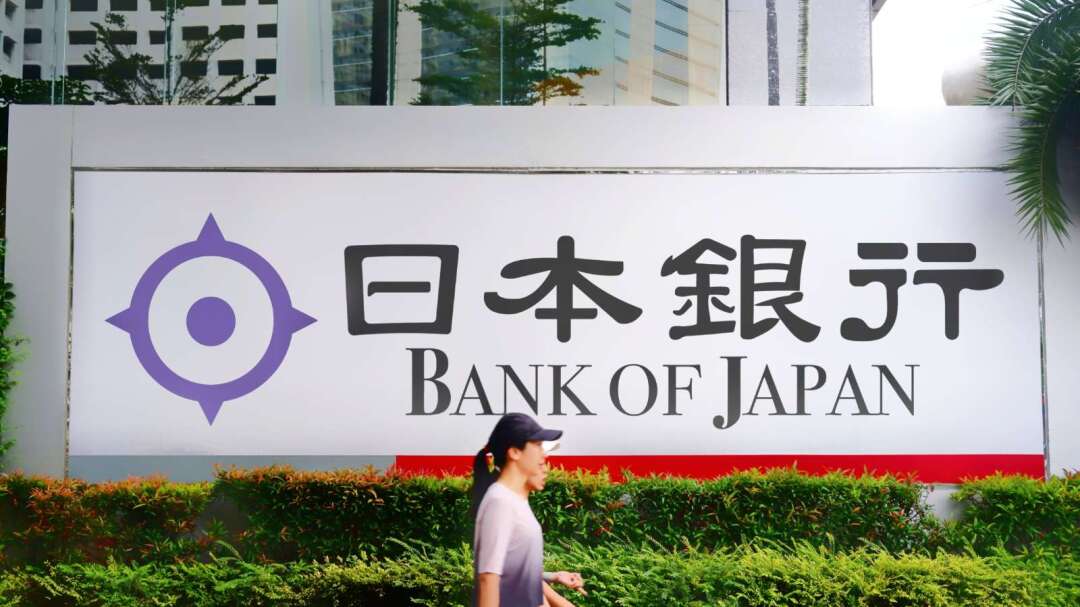
The Bank of Japan (BOJ) decided at its monetary policy meeting on Friday (31st) to maintain its policy interest rate at 1.0% by an overwhelming 8-to-1 majority. This decision reflects the BOJ's preference to observe the effects of its June rate hike on the economy and price trends, while remaining cautious about Middle East conflicts and the yen's exchange rate.
Following the decision, the yen weakened, with the USD/JPY exchange rate rising 0.7%.
At the meeting, board member Takada Hajime was the sole dissenter. He proposed raising the interest rate to around 1.25%, arguing that Japan has entered a "new phase" requiring flexible policy adjustments due to shifting overseas monetary policies and increasing domestic inflationary pressures. However, his proposal was ultimately rejected by the majority.
According to the "Outlook for Economic Activity and Prices" released simultaneously by the BOJ, policymakers kept their forecast for real GDP growth in fiscal 2026 unchanged, supported by rising AI-related demand and government subsidy programs bolstering domestic consumption.
On inflation, the core Consumer Price Index (CPI) forecast for fiscal 2026 was downgraded from 2.8% to 2.5%. This revision is primarily due to Tokyo's utility subsidy program, which has temporarily eased inflationary pressures. Nevertheless, the BOJ noted that with the continued virtuous cycle of wage and price growth, underlying inflation is expected to approach the 2% target by the end of fiscal 2026 and into fiscal 2027.
Despite holding rates steady this time, the BOJ emphasized that it will continue raising policy rates if the economic and inflation outlook unfolds as expected, in order to adjust the degree of monetary easing. The BOJ specifically highlighted that yen depreciation and AI-driven semiconductor price increases could result in inflationary "upside risks" outweighing downside risks, potentially even exceeding the 2% target.
Market analysts interpreted the decision as hawkish. Capital Economics noted that the BOJ's comments suggest further rate hikes are possible, forecasting the next move could come in October, with rates potentially reaching 2% by the end of next year. The BOJ will closely monitor Middle East developments, exchange rate fluctuations, and AI industry trends to guide the pace of future policy adjustments.
FACT BOX
- Source: PR Times
- Category: News
- Organizations: Capital Economics