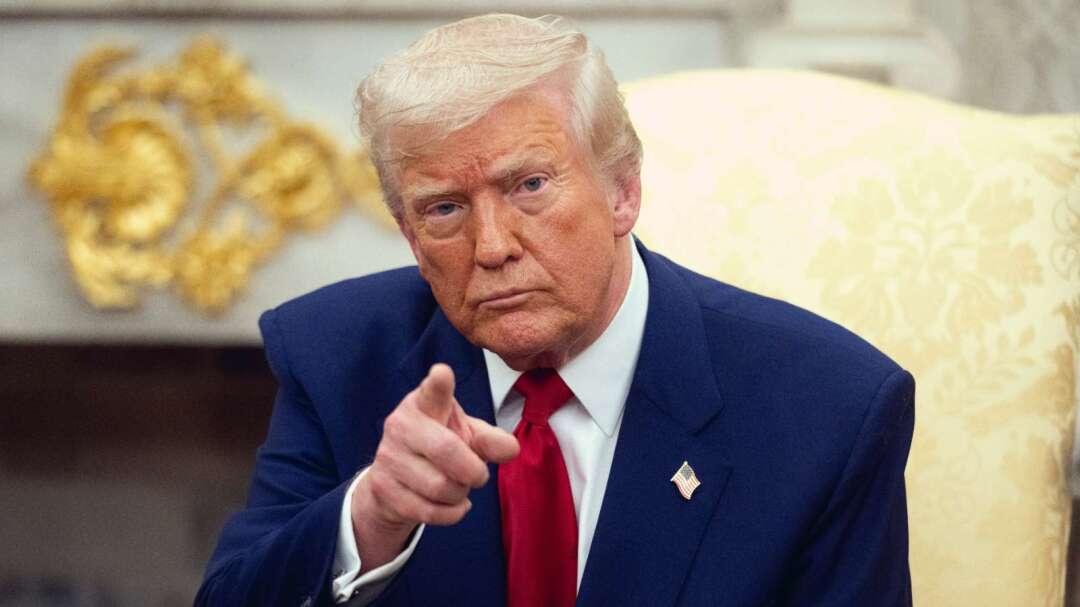
According to Yahoo Finance, shipping traffic through the Strait of Hormuz hit a new low on Friday (July 31). U.S. President Trump said it could take several more weeks to end the conflict and restore normal operations to the vital waterway, which is nearly paralyzed.
When asked about U.S. efforts to weaken Iran’s ability to disrupt shipping in the Strait of Hormuz, Trump did not provide a clear answer. "It's hard to say—many may have already given up," he stated. He acknowledged that Iran still retains some attack capabilities, adding, "They're tough, so I have to give them credit for that."
Latest data from ship-tracking firm Kpler shows a sharp decline in shipping volume through the Strait of Hormuz, with only five vessels passing through on Thursday.
All these ships took the northern route closer to Iran, while no vessels used the southern route near Oman, which the U.S. prefers.
Before the outbreak of hostilities, over 100 ships passed through the Strait of Hormuz daily, transporting about one-fifth of the world’s oil supply.
A brief ceasefire in June led to a temporary rebound in shipping activity, but recent weeks have seen renewed fighting, plunging the strategic waterway back into near standstill. Daily vessel passage has now dropped to single digits.
Iran’s newly established "Persian Gulf Strait Authority" claimed on Friday that the Strait of Hormuz is currently impassable due to U.S. military actions and announced it would temporarily suspend issuing transit permits. The agency had previously indicated it might begin charging tolls for vessels passing through as early as this fall.
U.S. officials swiftly rejected this claim, calling it false and emphasizing that the Strait of Hormuz remains open to commercial shipping. However, due to security concerns, most shipping companies continue to avoid the area.
During a cabinet meeting at Camp David on Friday, President Trump also addressed declining approval ratings and public concerns over economic slowdown and persistently high inflation—issues widely believed to be linked to the ongoing U.S.-Iran conflict.
An earlier Quinnipiac University national poll showed only 28% of voters approve of Trump’s handling of the Iran situation.
Nevertheless, Trump warned Americans to prepare for continued mutual attacks between the U.S. and Iran in the coming weeks.
"We’re going to hit them very hard, and one day they’ll say: ‘We really can’t take it anymore,’” Trump said.
He added that he is “losing confidence” in diplomatic negotiations with Iran and did not disclose whether another round of talks has been scheduled.
These statements suggest that a swift end to the conflict is unlikely in the short term. For the past several weeks, the U.S. military has repeatedly stated its operations are primarily aimed at ensuring shipping safety in the Strait of Hormuz.
U.S. Central Command says its goal is "to reduce the threat posed by Iran to civilian crews and commercial vessels transiting the Strait of Hormuz."
Meanwhile, the conflict appears to be spreading across the Middle East, drawing in countries such as Jordan and Iraq. Earlier this week, after Iran launched missiles at U.S. forces stationed in Jordan, the U.S. conducted what it described as a "large-scale airstrike" in retaliation.
FACT BOX
- Source: PR Times
- Category: News
- Organizations: Kpler