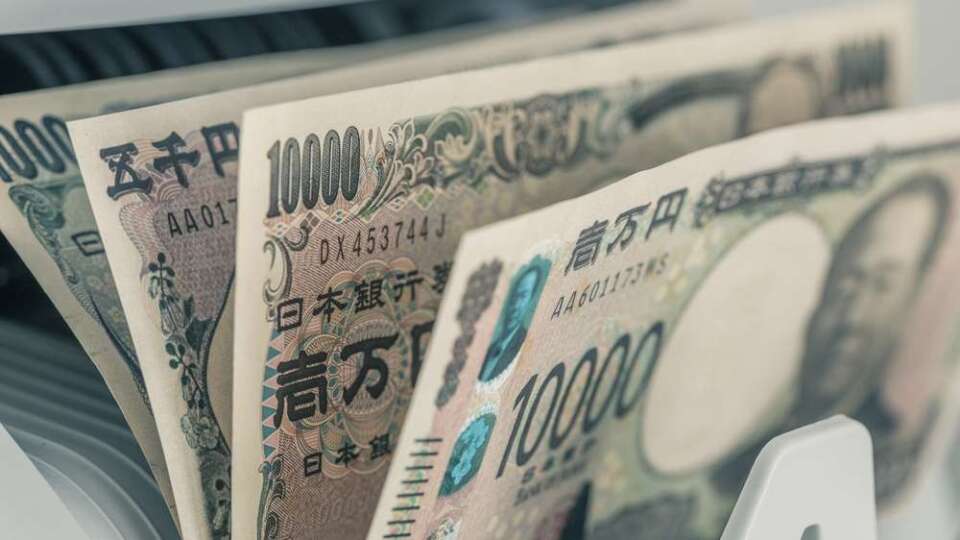
According to strategic analysts, the U.S. Treasury may be conducting yen-buying operations using the euro instead of the dollar, a move designed to avoid impacting the dollar's exchange rate and preventing skepticism toward its 'strong dollar policy.'
Two sources told Bloomberg that on Friday last week, the Federal Reserve Bank of New York asked at least two major U.S. banks to confirm the euro-yen exchange rate. The Financial Times reported last week, citing sources, that the New York Fed had previously sold euros and bought yen on behalf of the U.S. Treasury.
David Forrester, senior strategist at Crédit Agricole CIB in Singapore, said, 'The U.S. may not want to be seen selling dollars.'
He noted that the U.S. continues to uphold a strong dollar policy and does not wish to be perceived as gaining competitive advantage by weakening its own currency, as such actions would violate G20 consensus on foreign exchange markets.
This use of the euro for yen intervention differs from past U.S. market interventions, which typically involved direct dollar transactions. This time, the euro is being used as an intermediary currency.
According to the latest triennial central bank survey by the Bank for International Settlements (BIS), the euro is the world’s second most traded currency, accounting for approximately 29% of the $9.6 trillion global foreign exchange market as of April 2025.
Jason Wong, foreign exchange strategist at Bank of New Zealand in Wellington, said the U.S. Treasury does not want its intention to 'sell dollars' to be too obvious, hence the shift to using euros. He believes that although the ultimate effect may be similar—since subsequent asset rebalancing could indirectly lead to dollar sales—the use of euros makes the operation less transparent.
In terms of euro performance, since Japan launched its recent round of market intervention on July 30, the euro has weakened against most G10 currencies, with the euro-yen rate falling by about 4%. Although the euro-dollar rate dipped 0.2% on Monday, it remains near highs not seen since June 17.
JPMorgan strategists Tanase Junya and Patrick Locke noted in a client report that the primary goal of this intervention appears to be responding to Japan’s desire to prevent excessive yen depreciation, rather than weakening the dollar.
Additionally, since the U.S. foreign exchange reserves (excluding gold and special drawing rights) are primarily composed of euros and yen, this move could be seen as a coordinated strategy within the framework of reserve asset management to curb yen depreciation pressure.
FACT BOX
- Source: PR Times
- Category: News