As artificial intelligence (AI) technology enters its fourth year of explosive growth, the semiconductor supply chain is undergoing a significant wealth transfer. According to the latest industry data, major global memory manufacturers have accumulated approximately $90 billion in operating cash flow, benefiting from strong demand for high-bandwidth memory (HBM) and advanced DRAM and NAND flash memory in AI servers.
In contrast, hyperscale cloud service providers making massive investments in AI infrastructure are facing pressure from shrinking free cash flow due to high component costs.
From Cyclical Losses to Massive Profits
Driven by demand for AI processors, the memory market is experiencing supply-demand tightness. According to TrendForce data, average selling prices for DRAM and NAND rose approximately 50% to 60% year-on-year in Q2 2024. This has enabled leading manufacturers—SK Hynix (SKHY-US), Micron (MU-US), and Samsung Electronics, which dominate about 90% of the global DRAM market—to shift from past cyclical losses to sustained profitability.
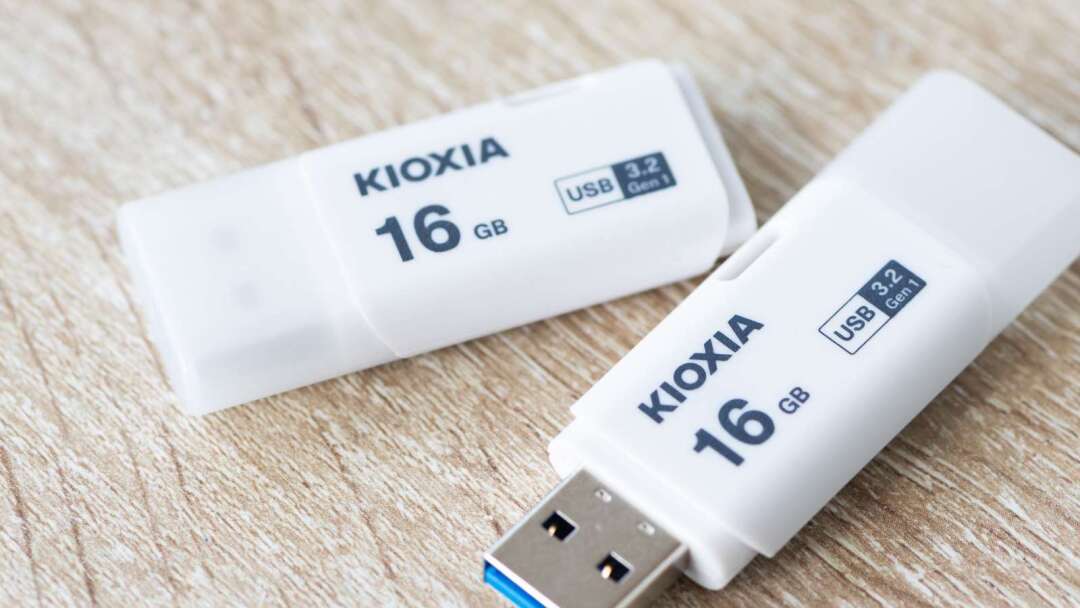
Statistics show that the combined free cash flow of the world’s top five memory manufacturers (Samsung, SK Hynix, Micron, Kioxia, and Sandisk) grew at an annualized rate of 92x last quarter, exceeding $90 billion. Kioxia CFO Yoshihiko Kawamura expressed optimism during a presentation: "As AI becomes more widespread, memory demand continues to grow rapidly."
Cash Pressure and Cost Challenges for Tech Giants
While memory manufacturers enjoy robust profits, the tech giants supporting the AI ecosystem face balance sheet distortions. Goldman Sachs estimates that big tech companies will spend $765 billion on AI this year, rising to $1.2 trillion by 2027.
Amazon (AMZN-US) has raised its capital expenditure forecast to $220 billion this year and reported negative free cash flow of $7.6 billion over the past 12 months. Alphabet (GOOGL-US) has also recorded its first-ever negative cash flow, with CFO Anat Ashkenazi acknowledging to analysts that free cash flow will remain under pressure as the company pursues "AI opportunities."
Tesla (TSLA-US) CEO Elon Musk described memory pricing as "crazy" during an earnings call, reflecting downstream concerns over surging costs. Amazon CEO Andy Jassy noted that the "inflated prices" of memory chips are driving up the company’s capital expenditure forecasts. Apple CEO Tim Cook warned that continued price increases in the memory market could have an increasingly significant impact on its business.
Capacity Expansion and a New Geopolitical Competition Landscape
Fueled by massive profits, memory manufacturers are investing heavily in large-scale capacity expansion. Samsung and SK Hynix plan to invest 800 trillion KRW (approximately $556 billion) to build four new wafer fabs in South Korea, aiming to double production capacity within five years. Micron plans to invest up to $250 billion in the U.S. by 2035 for R&D and manufacturing.
However, new competitive threats are emerging. Chinese memory makers such as CXMT (ChangXin Memory Technologies) and YMTC (Yangtze Memory Technologies) are attempting to close the gap with industry leaders through IPOs and technological catch-up. Additionally, JPMorgan investment strategist Dana Harlap noted that Wall Street is scrutinizing AI spending more closely, with the market becoming increasingly selective in distinguishing winners from losers in the AI sector.
FACT BOX
- Source: PR Times
- Category: Survey
- Organizations: Sandisk / Alphabet / Apple
- Products / services: HBM / DRAM