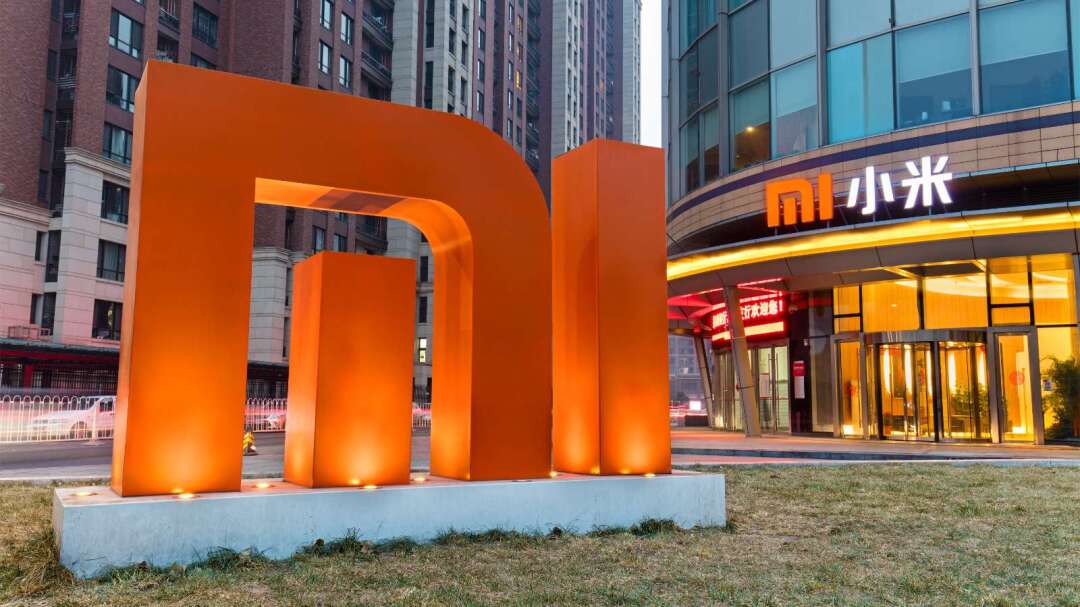
Recently, Xiaomi (01810-HK) increased prices for its 17 series by RMB 400 to 500 yuan, while the entire REDMI K90 and Turbo 5 lineups saw hikes of 300 yuan. Nine main smartphone models currently on sale have simultaneously adopted the new pricing.
This marks Xiaomi's third round of price adjustments this year. On April 11, it first adjusted prices for the REDMI K90 Pro Max and Turbo 5 models, followed by another round mid-year, and in August, included its flagship Xiaomi 17 series in the price hike.
According to a report by the '21st Century Business Herald' on Tuesday (April 4), this is not an isolated case. In mid-March, OPPO and vivo had already raised prices, while Honor implemented de facto price increases through 'refreshed editions,' and Samsung raised the entry threshold for the domestic version of the Galaxy S26. The trigger has been the surge in memory chip prices.
A clear contradiction also emerges: smartphone manufacturers face shrinking shipments and margin pressure, while upstream memory suppliers enjoy doubled profits. This divergence ultimately converges on two key points—when new upstream production capacity will be released, and whether terminal manufacturers can maintain double-digit gross margins.
Xiaomi's pricing path itself reflects cost pressures. Lu Weibing, Xiaomi Group partner and president, stated cautiously during the March 25 financial results conference that memory prices began rising in Q3 2025 and represent a long cycle likely to extend into 2027. 'Smartphone price increases are inevitable sooner or later. We will try to absorb the burden for consumers as long as possible.'
FACT BOX
- Source: PR Times
- Category: News
- Organizations: OPPO / vivo
- Products / services: REDMI K90 / Turbo 5