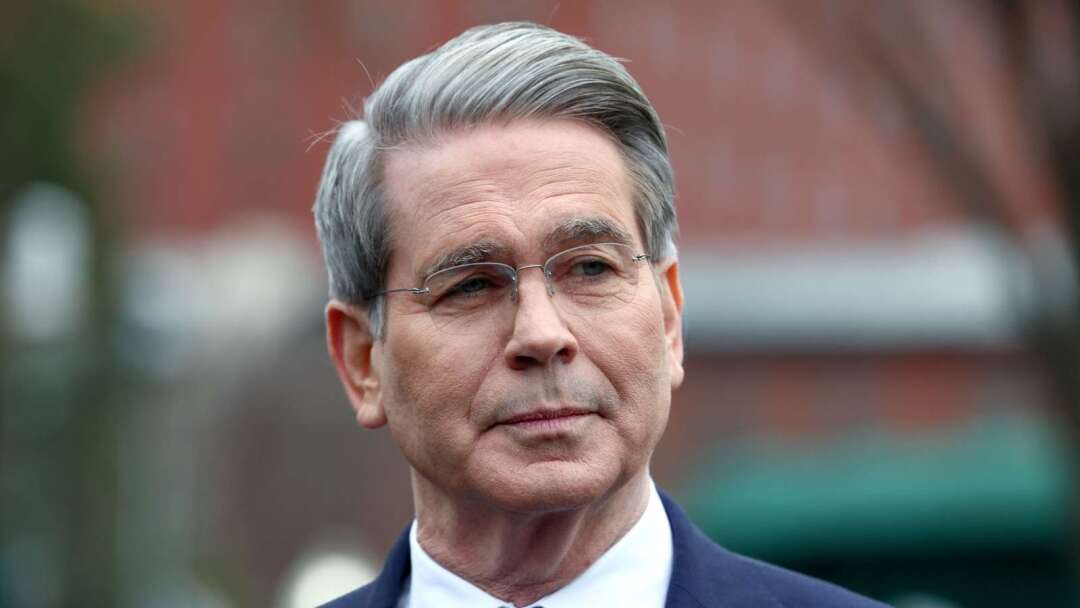
U.S. Treasury Secretary Scott Bessent said on Tuesday (4th) that the United States and Iran could reach an agreement as early as that day or Wednesday (5th) to reopen the Strait of Hormuz, ensuring free passage for commercial ships and paving the way for a gradual return to normalcy in U.S.-Iran relations.
Speaking on CNBC's 'Squawk Box,' Bessent stated that the U.S. is currently negotiating with Iran and that there is a chance an agreement on reopening the Strait of Hormuz could be reached today or tomorrow.
When asked whether the agreement might allow Iran to charge tolls for ships passing through the strait, Bessent indicated that the deal would safeguard 'free passage' but did not disclose specific details, suggesting the U.S. would not accept Iranian control over this critical waterway through toll collection.
Bessent acknowledged that security conditions in the Strait of Hormuz have remained somewhat unstable over the past few days but noted that many vessels have already begun to depart. He estimated that hundreds, possibly up to 1,000 ships, are currently stranded within the strait awaiting the resumption of passage. These vessels are carrying not only energy products but also fertilizers, refined petroleum products, and various industrial gases.
Bessent expects that once the Strait of Hormuz reopens, prices for related commodities will fall further, triggering a strong relief rally in markets. The Strait of Hormuz is a vital global energy and trade corridor; restoring normal shipping operations would reduce supply disruption risks and ease international oil markets' concerns about shortages.
Following the news, international oil prices declined. October-delivery Brent crude futures briefly dropped nearly 4%, falling 2.32% during trading to $81.83 per barrel. September-delivery West Texas Intermediate (WTI) crude futures dropped 2.97% to $77.95 per barrel.
President Trump said over the weekend that he had canceled a large-scale military strike plan against Iran to create space for negotiations to reopen the Strait of Hormuz. However, last month, the U.S. and Iran had nearly finalized a memorandum of understanding to reopen the strait, but the deal ultimately collapsed. Since then, both sides have intermittently launched military attacks against each other, and shipping through the strait has remained restricted.
Trump has previously claimed multiple times that an agreement to resolve the conflict is imminent, only for U.S.-Iran hostilities to escalate again shortly afterward. Therefore, despite Bessent's latest comments causing a sharp drop in oil prices, markets will closely watch whether the two sides can convert negotiation progress into a formal agreement.
FACT BOX
- Source: PR Times
- Category: News