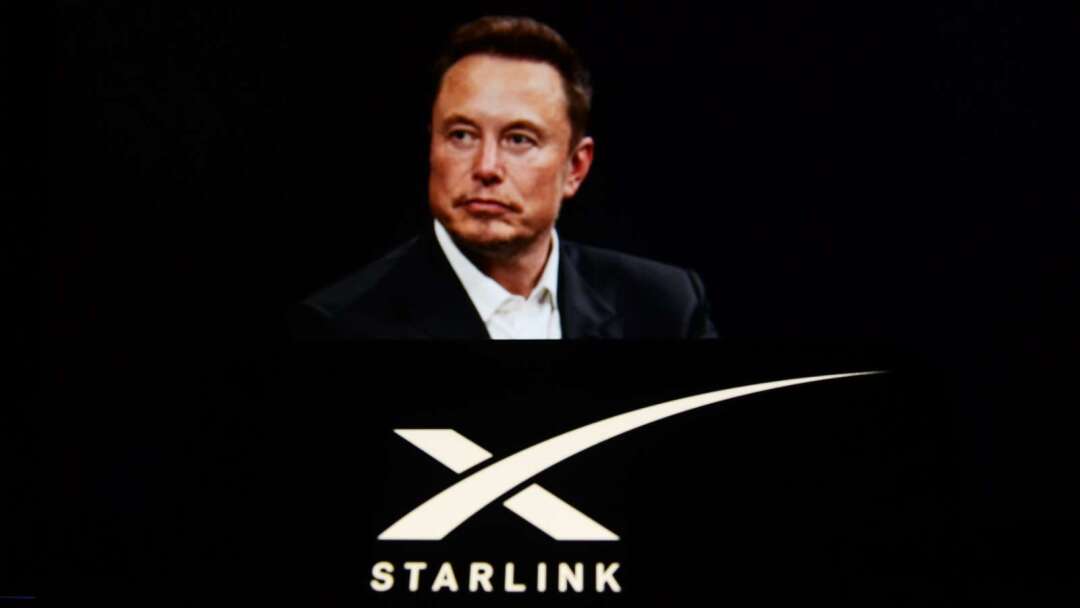
SpaceX (SPCX-US) is preparing to release its first quarterly financial report since going public, and market tensions between bulls and bears have already intensified. In response to rapidly accumulating short positions, CEO Elon Musk issued another warning to short sellers on Tuesday (August 4), saying he tried to sound the alarm, but instead of retreating, short sellers have continued to add to their positions.
SpaceX shares closed sharply higher on Tuesday, rising 9.43%, or $10.80, to finish at $125.33 per share. With the company about to release its first post-IPO quarterly earnings and short positions highly concentrated, market expectations for a potential short squeeze have risen, driving the stock’s strong rally.
According to financial data firm S3 Partners, approximately 95% of available SpaceX shares for borrowing have already been loaned out, while short interest accounts for about 34% of the float. This indicates an extremely crowded short trade and means there is very little room left for additional short selling.
Under such tight borrowing conditions, short sellers typically must pay higher borrowing fees. If SpaceX’s earnings or guidance exceed market expectations, a rapid rise in share price could force short sellers to cover their positions, further amplifying the upward momentum—a phenomenon known as a "short squeeze."
This marks the second time Musk has publicly warned short sellers within less than three weeks.
On July 17, he stated that institutions maintaining large, long-term short positions in SpaceX have a "very low survival probability." At that time, SpaceX’s stock price had already fallen about 30% from its post-IPO peak, and its market capitalization had visibly shrunk from a high of over $2.6 trillion.
After completing its initial public offering (IPO) in June this year, SpaceX’s stock was initially met with enthusiastic market demand. However, as valuation concerns grew, the early post-listing rally gradually cooled.
Reports indicate that SpaceX’s current market cap remains around $1.6 trillion. Even though estimated revenue over the past 12 months is about $19 billion, some investors believe the valuation already reflects highly optimistic long-term growth expectations, leaving almost no margin for error.
Key concerns among bears include the need for continuous massive investments in Starship R&D and launch facilities, which could suppress short-term profitability. Additionally, lock-up periods are set to expire starting August 6, potentially allowing a large volume of insider-held shares to enter the market and create supply-side pressure.
Bulls, on the other hand, are focusing on Starlink user and revenue growth, commercial and government launch demand, and Starship’s potential to drastically reduce space transportation costs. If these technologies advance successfully, SpaceX could expand into markets such as space-based data centers, orbital solar power, and lunar and Mars missions, positioning itself as a foundational infrastructure provider in the global space industry.
Market estimates suggest SpaceX’s Q2 revenue could approach $6.9 billion, driven primarily by Starlink, launch services, and other emerging businesses. The company is scheduled to release its earnings after U.S. market close on Tuesday, followed by a webcast conference call.
Given that short interest in SpaceX is already at extremely high levels and lock-up periods are nearing expiration, the impact of this earnings report may depend less on actual revenue and profit figures and more on management’s commentary regarding Starship progress, capital expenditures, Starlink growth, and future outlook. Any positive or negative surprises beyond expectations could further amplify stock price volatility.
FACT BOX
- Source: PR Times
- Category: News
- Products / services: Starlink / Starship