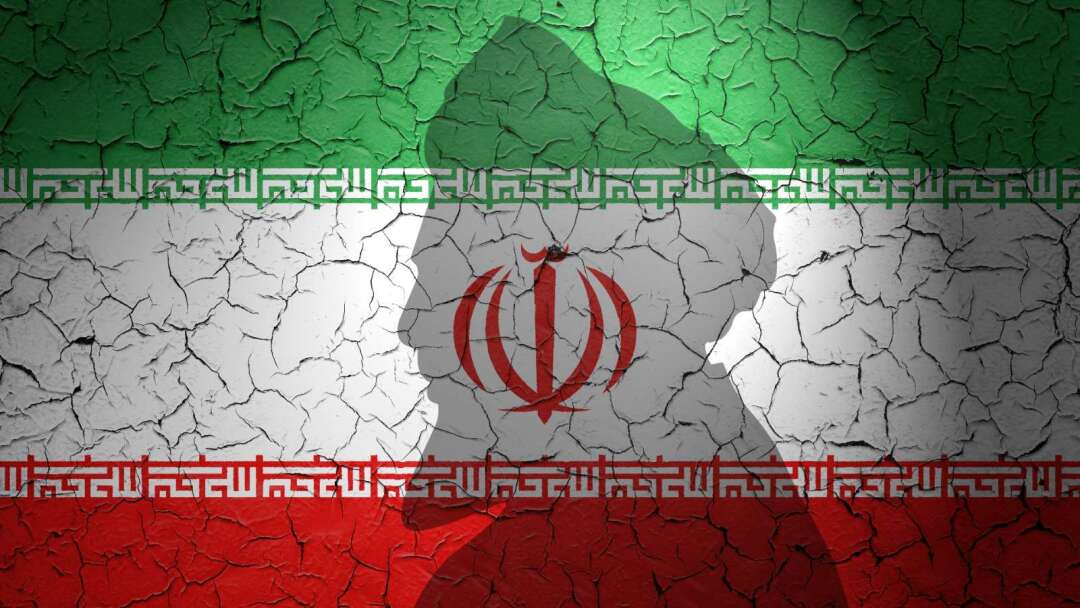
Iranian President Masoud Pezeshkian stated on Wednesday (6th) that it is currently 'very difficult' to maintain contact with Supreme Leader Mojtaba Khamenei, but emphasized that he remains a crucial spiritual pillar for Iran, playing a key unifying role as the country faces external pressures.
Pezeshkian made the remarks during a state television interview marking his second anniversary in office. He said: 'It is currently very difficult to contact him (Mojtaba), but regardless, his presence is a great spiritual support for us, enabling us to continue moving forward.'
He noted that the more candidly government officials can explain issues to the Supreme Leader, the easier it becomes to reach consensus and make consistent decisions.
Speaking of Mojtaba, Pezeshkian described him as an 'extraordinary person' and said he was deeply impressed by his character, humility, and rational judgment.
Regarding recent domestic discourse, Pezeshkian criticized those who have deliberately manufactured internal divisions by exploiting the Supreme Leader's stance on the U.S.-Iran cooperation memorandum. He pointed out that Mojtaba ultimately publicly supported the agreement, despite initial reservations.
The 14-point U.S.-Iran cooperation memorandum was signed on June 17, 2026, by U.S. President Donald Trump and Pezeshkian. It includes a formal ceasefire, lifting of maritime blockades, and cessation of military actions, aiming to establish a framework for subsequent peace negotiations.
Pezeshkian stated that Iran is currently under increasing external pressure, including sanctions and military confrontation, with adversaries attempting to provoke public discontent and even incite protests. He described this as the most difficult period Iran has faced since the 1979 Islamic Revolution.
Mojtaba assumed the role of Iran's Supreme Leader on March 8 this year, following the death of his father, former Supreme Leader Ali Khamenei, who was killed in a joint U.S.-Israeli airstrike in Tehran on February 28.
During the leadership transition, U.S.-Iran military tensions continued to escalate. Iran retaliated by launching missile and drone attacks on Gulf states hosting U.S. military bases. The two sides subsequently agreed to a ceasefire in April and signed the cooperation memorandum in June under Pakistani mediation, aiming to lay the groundwork for ending the conflict and advancing long-term peace.
However, the agreement collapsed last month, reigniting nearly two weeks of military conflict between the U.S. and Iran. The fighting temporarily subsided only after reports emerged of renewed negotiations, prompting President Trump to order a halt to airstrikes.
FACT BOX
- Source: PR Times
- Category: News