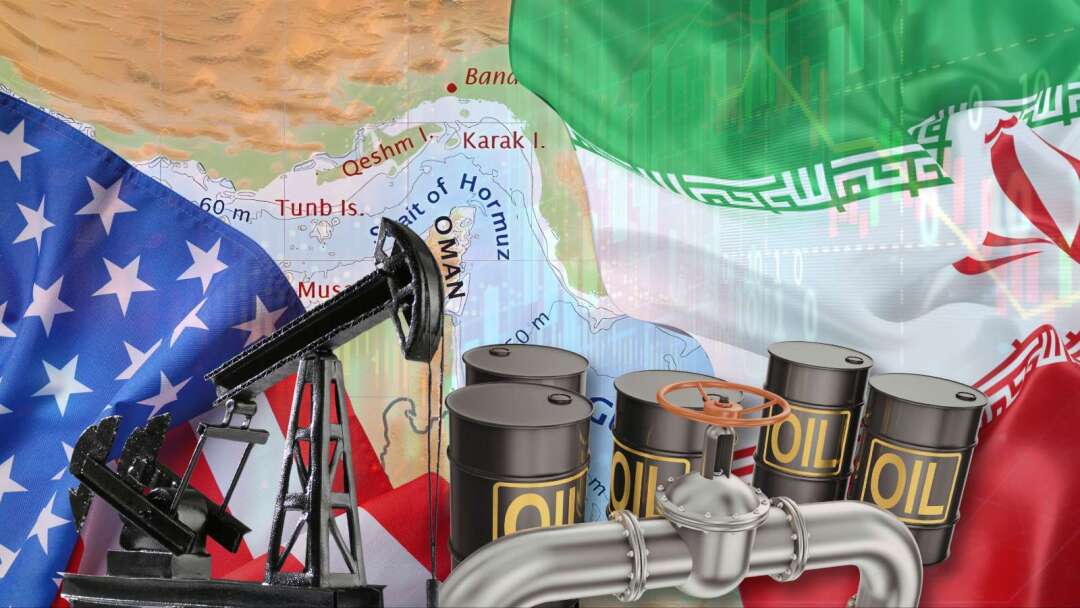
Iranian media reported on August 6 that Iran and Oman are drafting a framework agreement on managing the Strait of Hormuz, which would prohibit passage of vessels from the United States, Israel, and countries designated as 'hostile' until related compensation is completed. Additionally, reports suggest Iran has carried out attacks against 'hostile targets' in this globally vital energy waterway, reigniting market concerns over Middle East instability.
Prior to the outbreak of Middle East conflict in late February, the Strait of Hormuz handled approximately one-fifth of global oil and natural gas shipments. The navigation arrangements have long been a core point of contention in U.S.-Iran negotiations. Markets are closely watching whether the strait can return to normal operations and if diplomatic talks can reduce the risk of further escalation.
According to Iran's Fars News, citing parliamentarian Alireza Salimi, the initial draft of the framework jointly developed by Iran and Oman has already been submitted to relevant authorities for review. The draft proposes banning vessels from the U.S., Israel, and hostile nations. It also suggests imposing fines of up to 20% of cargo value on other ships failing to comply with Iran's established navigation rules.
The report adds that the draft includes a reconfiguration of the Strait of Hormuz's shipping lanes. In the future, inbound vessels will use the northern lane close to the Iranian coast, while outbound vessels will take the southern lane near Oman's coast. After a transition period, both northern and southern lanes will be decommissioned, and all vessels will shift to a central channel. Entry into the strait will be managed by Iran, while exit will be jointly managed by Iran and Oman.
President Trump stated earlier this week that he had canceled a planned large-scale military strike against Iran due to progress in negotiations, but warned that the U.S. remains ready to take military action if no final agreement is reached. Since the conflict began, the U.S. and Iran have engaged in repeated cycles of military threats, limited attacks, and diplomatic mediation. Iran continues to deny direct negotiations with the U.S., emphasizing communication only through intermediaries such as Oman.
On August 6, when asked again whether an agreement on the Strait of Hormuz had been reached, Trump responded, 'I don't want to say it's finalized. The situation is open. We control it, but they could fire at any moment—they've always had that capability.' He added that he remains personally involved in negotiations, believes they are progressing smoothly, and said, 'An agreement might come very soon.'
The previous day, Trump reiterated that Iran had requested the U.S. cancel the large-scale military attack originally scheduled for last weekend. While markets remain hopeful for de-escalation, analysts note that over recent months, the U.S.-Iran conflict has repeatedly followed a cycle of heightened threats followed by temporary calm, leaving investors cautious about prospects for lasting peace.
With geopolitical risks rising once again, international oil prices strengthened on August 6. Brent crude futures surged 5.3%, closing at $83.69 per barrel, although weekly gains remained negative. Last month, after Iran effectively restricted oil tanker passage through the Strait of Hormuz, Brent crude briefly approached $100 per barrel.
Meanwhile, Trump dismissed reports of depleted U.S. military munitions stockpiles, emphasizing that the U.S. possesses 'massive amounts of ammunition' and continues to expand production. On social media, he stated that individuals responsible for leaking such information are being investigated and that the government seeks long-term imprisonment for those involved.
However, U.S. media outlets have recently disclosed growing pressure on Pentagon weapons inventories. NBC reported that the Pentagon held emergency meetings over weapon shortages. The Washington Post revealed intense disputes between Trump and Defense Secretary Pete Hegseth over munitions stockpile issues, refocusing market attention on whether U.S. military resources are sufficient to sustain prolonged conflict.
FACT BOX
- Source: PR Times
- Category: News