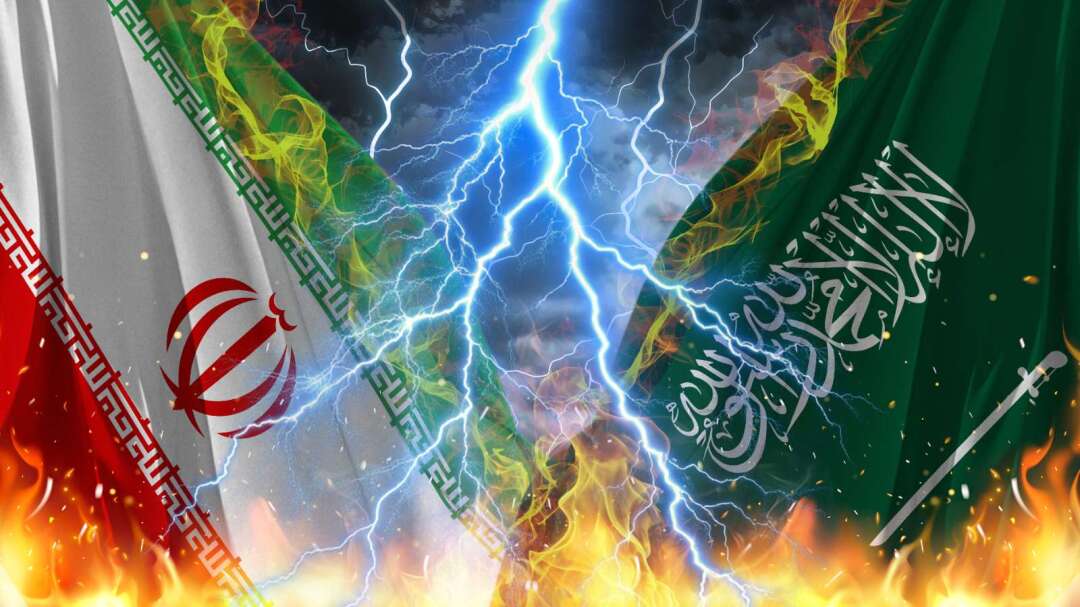
A senior Saudi official has stated that the Kingdom is facing a threat of potential synchronized attacks from Iraqi militias in the north and Houthi rebels in Yemen in the south. According to intelligence gathered by Saudi Arabia, the United States, and other regional countries, these operations are allegedly coordinated by Iran’s Islamic Revolutionary Guard Corps (IRGC), with potential targets including energy facilities, ports, airports, and other civilian and economic infrastructure.
The official, who requested anonymity, pointed to unusual movements in drone and missile deployments, indicating that an attack could be launched simultaneously from both Iraq and Yemen. Current intelligence assessments suggest that the risk of coordinated attacks continues to rise, prompting Saudi Arabia to elevate its alert status across the board.
Despite the heightened security threat, the official emphasized that Riyadh continues to pursue regional de-escalation and diplomatic negotiations, including maintaining contact with Iran and engaging in multilateral mediation to reduce the risk of conflict. He believes current diplomatic efforts are moving in the “right direction,” and that any imminent attack may aim to disrupt these negotiation processes.
The official noted that Saudi Arabia and the United States currently maintain a high level of security cooperation, including operational coordination with U.S. Central Command (CENTCOM). Should any attack occur, Saudi Arabia is prepared to take all necessary measures in response.
Shortly before this warning was issued, Saudi Arabia announced on July 29 that it had conducted joint airstrikes with U.S. Central Command against Iranian-backed armed groups inside Iraq, in retaliation for a prior drone attack on Saudi oil facilities. Iraqi militias subsequently vowed to retaliate against Saudi targets.
Meanwhile, tensions between Saudi Arabia and Yemen’s Houthi rebels have escalated significantly in recent weeks. The Houthis have declared a so-called Red Sea “naval blockade” and claimed multiple attacks on Saudi commercial vessels and military targets; in response, Saudi Arabia has continued conducting airstrikes on military positions inside Yemen. Previously, the Houthis broke a years-long ceasefire by launching missiles toward southern Saudi Arabia, triggering a new round of military confrontation.
At the same time, U.S.-Iran tensions remain unresolved. Iran recently issued warnings to several Gulf Arab states, urging them to pressure the United States to halt military actions against Iran, or else face retaliation targeting oil facilities, power systems, ports, and other critical infrastructure. Multiple foreign media outlets reported that Saudi Crown Prince Mohammed bin Salman has also urged Washington to prioritize diplomatic solutions to avoid further destabilization of the region.
Analysts note that the security situation around the Red Sea, Persian Gulf, and Strait of Hormuz has deteriorated in recent weeks, threatening energy infrastructure and drawing renewed market attention to global energy supply and maritime security. With military deployments and diplomatic mediation proceeding in parallel, the Middle East remains highly uncertain in the short term.
FACT BOX
- Source: PR Times
- Category: News