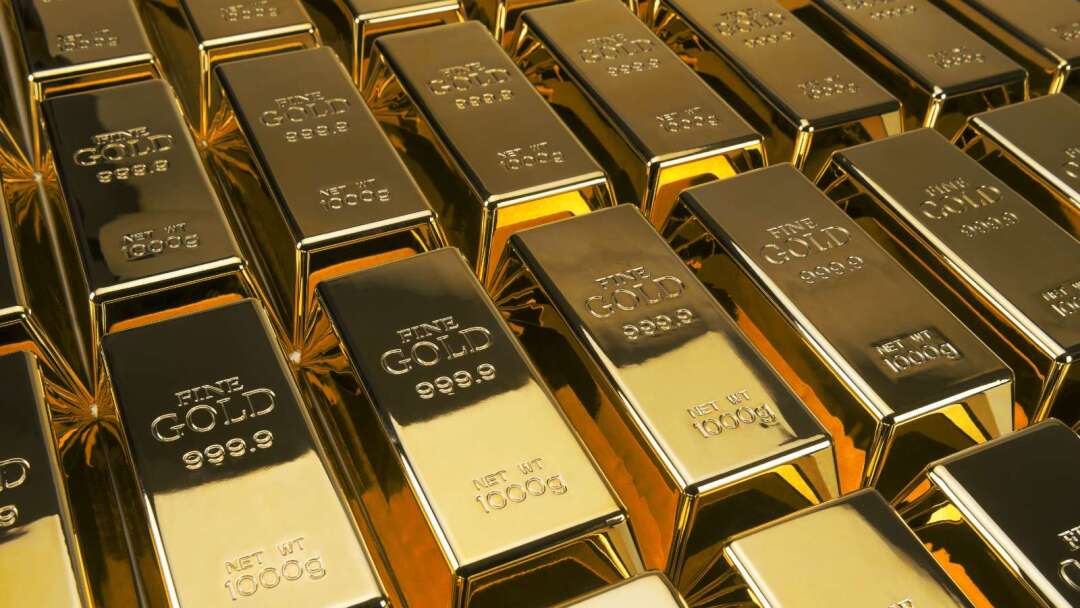
On Wednesday (5th), gold prices climbed to a 7-week high above $4,250 per ounce, once again capturing investor focus. While still subject to short-term uncertainty over monetary policy, a fund manager argues that the structural forces underpinning gold’s long-term bull run remain solid.
Market Sentiment and Macro Drivers
Recent gold gains have been supported by geopolitical tailwinds. Optimism surrounding the reopening of the Strait of Hormuz has eased inflation concerns, reducing market expectations for further rate hikes by the Federal Reserve (Fed). Additionally, declining U.S. Treasury yields and a weakening U.S. dollar index have further enhanced the appeal of gold as a non-yielding asset.
However, Chris Mancini, manager of the Gabelli Gold Fund (GOLDX), points out that investors still largely view gold as a "cyclical commodity," though its essence is that of a monetary asset. Key factors supporting its long-term upward trajectory include geopolitical uncertainty, soaring government debt, central bank de-dollarization, and declining confidence in fiat currencies.
Mancini believes gold’s status as an asset with "no counterparty risk" and "cannot be replicated" makes its long-term trend nearly irreversible, and he expects prices to return to $5,000.
Strategic Value of Gold Miners
Mancini emphasizes that gold mining stocks are currently severely undervalued. Many large-scale miners, operating in an environment where gold prices exceed $4,000, maintain all-in sustaining costs (AISC) of around $2,000, generating historic profits and free cash flow. Yet, the market values these companies at cyclical peak multiples (e.g., P/E ratios of just 10 to 11 times), overlooking the financial cushion provided by their high-profit margins.
He suggests that if investors believe gold prices can sustain current levels or rise further, investing in mining equities offers significantly higher potential returns compared to holding physical gold.
Short-Term Risk Outlook
Despite the long-term bullish outlook, short-term volatility remains significant. Markets are closely watching the upcoming U.S. non-farm payroll data, which will provide critical clues about the Fed’s future policy path. If rising oil prices reignite inflation, the Fed may reconsider hiking rates.
Mancini argues that even if rate hikes delay gold’s price advance, they won’t destroy the long-term trend. Tightening policies ultimately weigh on economic growth, which in turn reinforces gold’s safe-haven demand.
FACT BOX
- Source: PR Times
- Category: News