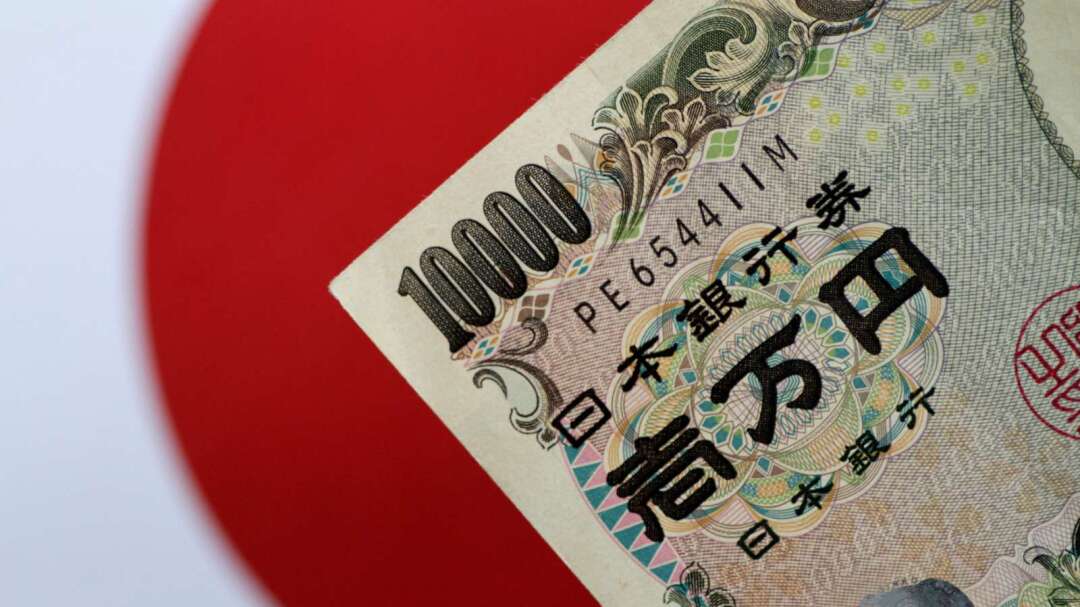
The U.S. July non-farm payroll unexpectedly turned negative, significantly weakening Federal Reserve (Fed) rate hike expectations and triggering broad dollar weakness. As a result, the yen sharply rose against the dollar on Friday (Aug 7). Traders remain highly alert to the possibility that U.S. and Japanese authorities might jointly intervene in the foreign exchange market again, just days after such coordinated action.
The dollar-yen pair plunged as much as 1.1% to 156.68 yen before slightly recovering. It was last quoted at 157.16 yen, clearly retreating from the 40-year high of 163.99 yen reached in July.
It remains unclear whether Japanese authorities have intervened again. However, analysts point out that the U.S. employment data fell far short of expectations, and U.S. Treasury yields dropped sharply—factors strong enough to prompt investors to sell dollars. Thus, this yen rally may be primarily driven by fundamental factors.
Lee Hardman, senior foreign exchange analyst at MUFG (Mitsubishi UFJ Financial Group), said the magnitude of the miss in non-farm payrolls was very large. Observing the sharp reaction in the short end of the U.S. yield curve, the dollar’s decline is not surprising. Since negative non-farm payrolls are rare, this data has clearly dented Fed rate hike expectations, warranting a strong market reaction. The dollar may face broad selling pressure.
The U.S. Bureau of Labor Statistics (BLS) reported on Friday that July non-farm payrolls unexpectedly decreased by 23,000, while June’s increase was revised down from the initially reported 57,000 to just 20,000. Economists surveyed by Reuters had expected a gain of 80,000 jobs in July, with forecasts ranging from 10,000 to 140,000.
Shortly after the release of the employment data, Japan’s finance minister stated that Tokyo and Washington have maintained “close communication” and will intervene in the currency market without hesitation if necessary—further heightening traders’ vigilance.
Japan and the U.S. took the rare coordinated action last Friday, jointly buying yen to halt its persistent depreciation. With weak U.S. jobs data now providing fundamental support for the yen, and officials continuing to issue intervention warnings, markets are closely watching whether the yen’s rebound will continue and whether authorities will step in again.
FACT BOX
- Source: PR Times
- Category: News