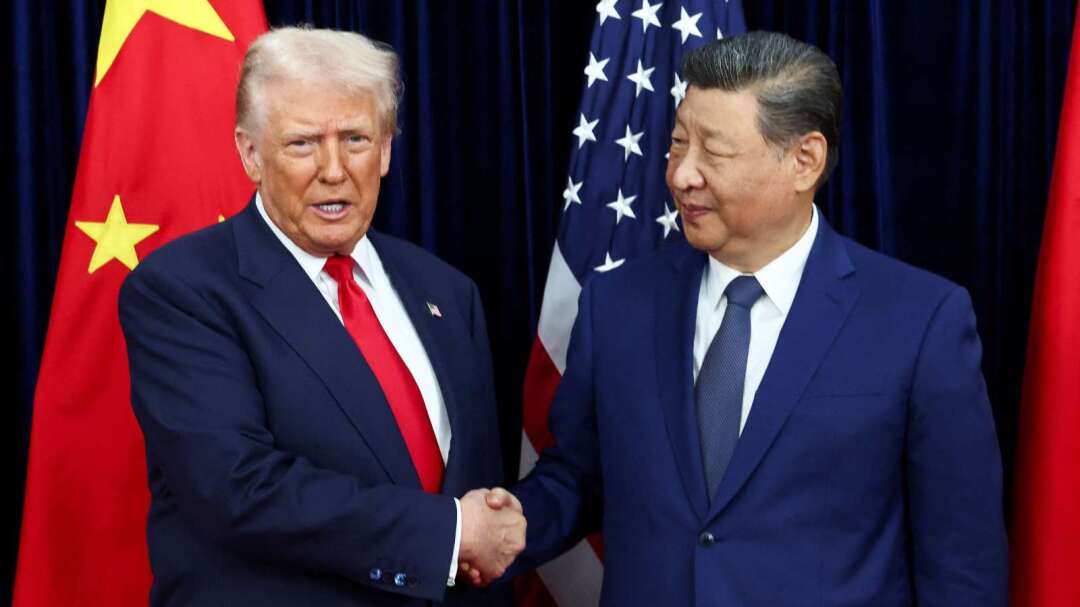
According to Bloomberg's Shanghai bureau, Chinese President Xi Jinping and U.S. President Trump are planning a key summit, with high-level officials from both sides engaged in intensive pre-meeting preparations and red-line negotiations. Recently, China's Vice Premier He Lifeng, who oversees economic affairs, had a video call with U.S. Treasury Secretary Scott Bessent and Trade Representative Jamieson Greer. During the call, the U.S. focused on the supply of critical minerals like rare earths and China's purchases of U.S. agricultural products, while Beijing expressed strong dissatisfaction with Washington's 'trade restrictions'. As tensions rise ahead of the major event, both sides have resumed economic confrontation. This week, Beijing used its advantage in the drone production sector to counter the U.S.'s recent export controls on China's tech industry. This pattern of 'making moves' before major meetings has precedent. Last October, before the U.S.-China leaders met in South Korea, the Trump administration expanded its sanctions blacklist, and China immediately restricted exports of rare earths crucial for smartphones and advanced weapons (such as fighter jets and missile interceptors), which were of strategic importance to the U.S. at the time, amid the Iraq War. Despite the escalating rivalry, both sides are currently maintaining some restraint. China's Ministry of Commerce, in announcing its latest retaliatory measures, specifically described its countermeasures as 'overall restrained' and urged the U.S. to resolve differences through dialogue. Meanwhile, the U.S. has been relatively low-key on sensitive issues like Taiwan, with a $14 billion arms sale to Taiwan currently frozen, showing that the U.S. does not want to overly provoke Beijing ahead of the summit. This summit, scheduled for this autumn, is seen as a key opportunity to maintain and extend the 'ceasefire' between the two sides.
FACT BOX
- Source: PR Times
- Category: 其他