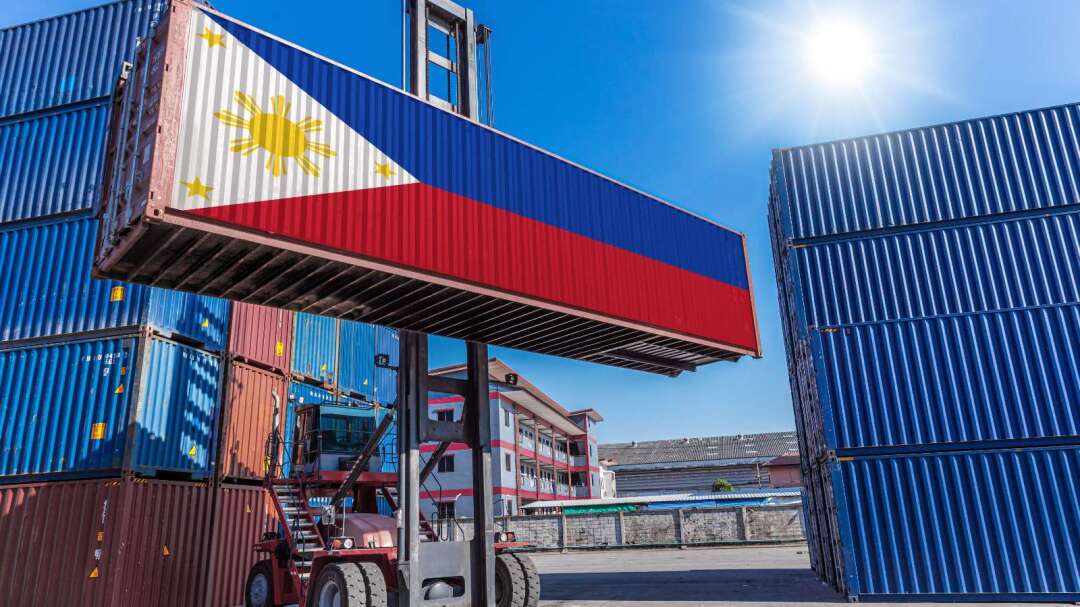
The Philippine Statistics Authority announced on Friday (July 7) that the country's Q2 2026 GDP grew by only 2.3% year-on-year. This figure not only fell short of the media survey forecast of 2.8% but also marked the weakest annual growth rate since 2021.
The economic slowdown was primarily driven by a sharp decline in the construction sector and weakening domestic demand. Public spending was constrained and investor confidence weakened due to a corruption scandal involving flood control projects that erupted last year, leading to a 14.8% contraction in the construction sector during Q2. Overall investment has now declined for four consecutive quarters, falling 9.2% compared to the previous year.
Household spending, which accounts for over two-thirds of economic activity, also slowed to 2.8%, as the average inflation rate over the first seven months of the year reached 5.0%, significantly eroding consumer purchasing power.
In agriculture, output grew by 2.9% in Q2, a notable slowdown from 6.0% a year earlier, though it improved from the contraction seen in Q1. While poultry (up 6.3%) and livestock (up 3.6%) performed well, sugarcane production plummeted by 22.5%, and irrigation system inefficiencies remain a challenge. The upcoming 'super El Niño' phenomenon is expected to negatively impact crop production and feed prices in the second half of the year.
Despite an average economic growth rate of just 2.6% in the first half of 2026—below the government's annual target of 3.5% to 4.5%—Economic Planning Secretary Arsenio Balisacan expressed 'cautious optimism,' expecting spending to rebound this quarter as newly approved infrastructure projects begin.
The Bangko Sentral ng Pilipinas will hold a policy meeting on August 27, where it will need to balance supporting economic growth with controlling inflation.
FACT BOX
- Source: PR Times
- Category: Survey